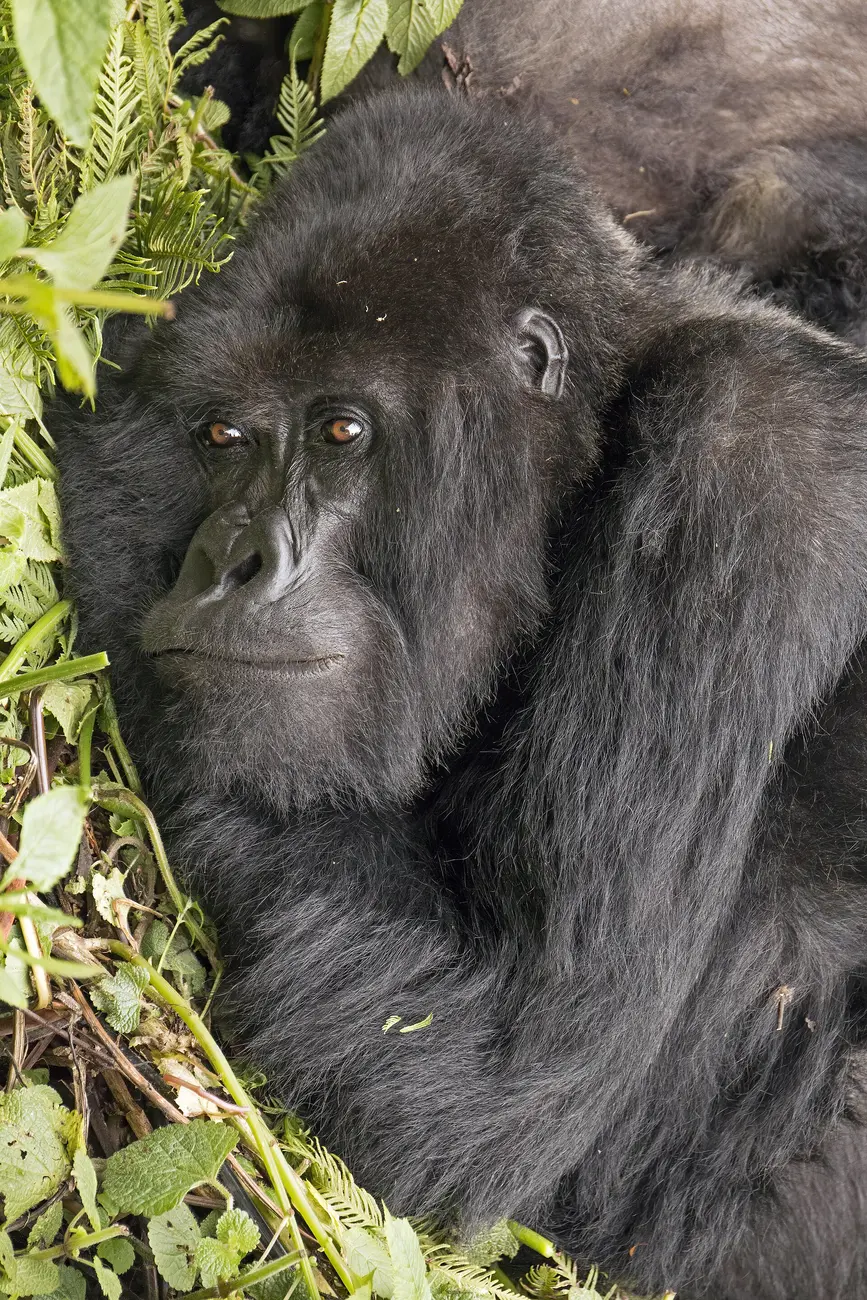
Mountain gorillas don't migrate and don't hibernate. The families stay in the same forest all year, and trackers find them virtually every day. So the best time for gorilla trekking in Rwanda depends on what you value most: firmer trails and sunshine, or easier permits, quieter lodges and lower rates.
Rwanda's seasons at a glance
| Season | Months | Trail conditions | Permit pressure |
|---|---|---|---|
| Long dry season | June – mid-September | Driest, firmest | Very high |
| Short rains | Late September – November | Muddy, showers | Moderate |
| Short dry season | Mid-December – February | Mostly dry | High |
| Long rains | March – May | Wettest, slippery | Lowest |
Volcanoes National Park sits high and close to the equator, so day length and temperature barely change through the year. What changes is rainfall. And because it's mountain forest, "dry season" means less rain, not none: always pack a waterproof.
Month by month
January & February
The short dry season. Generally good trekking with sunny spells and cool mornings; a very good time to go. Permits are in high demand, especially in the first week of January.
March, April & May
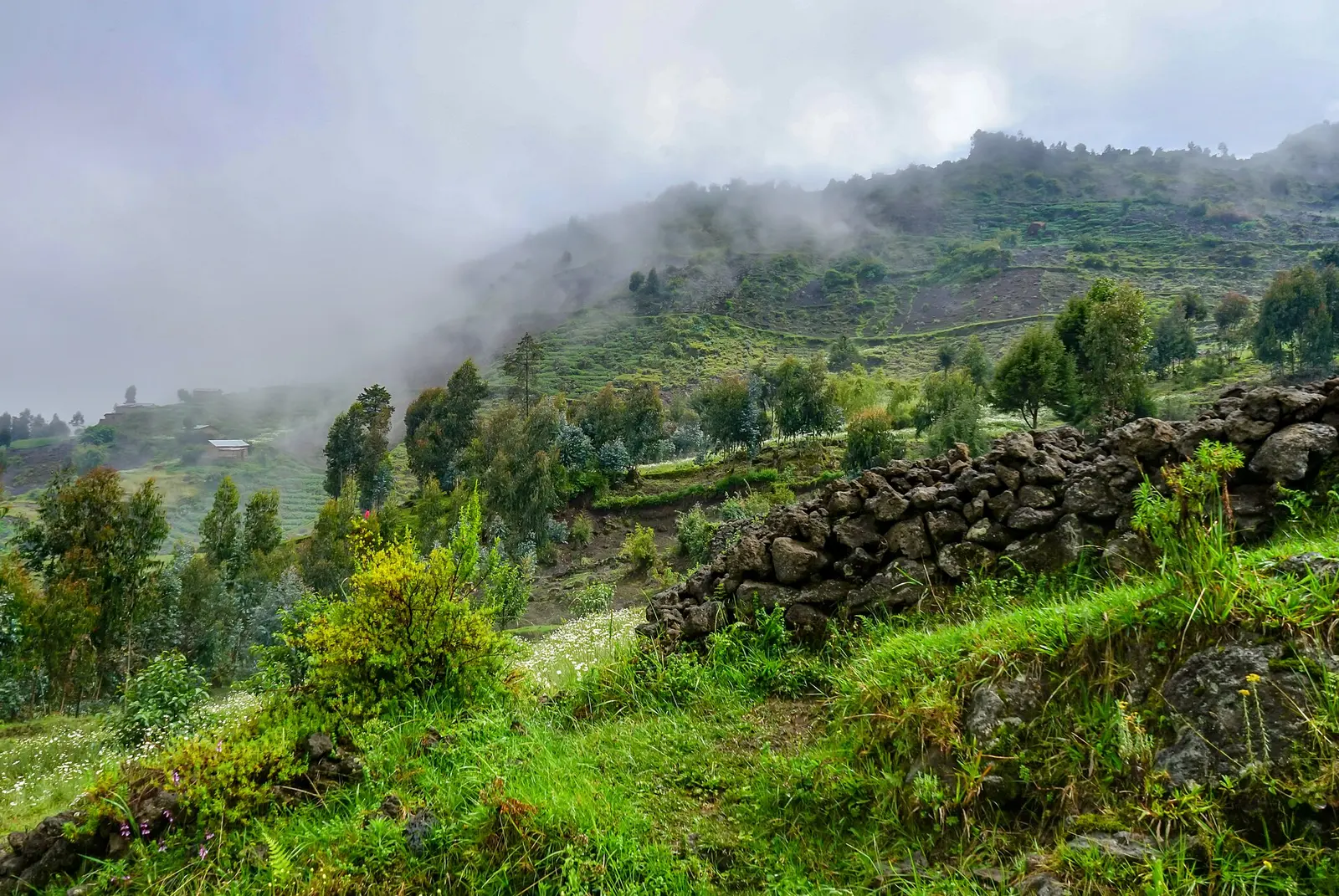
The long rains, with April usually the wettest month. Expect afternoon downpours, heavy mud and slippery slopes — gaiters and gloves become essential. In exchange you get the quietest park of the year, easier permit availability and lower lodge rates. Many photographers like the soft, misty light.
June
The dry season begins. Early June is a sweet spot: drier trails, the forest still lush from the rains, and slightly lower demand than July.
July & August
Peak season. The most reliable weather and the busiest time — permits for many dates sell out months ahead. Book early.
September
Still largely dry for the first half, with rains returning later in the month. Kwita Izina, the gorilla naming ceremony, is often held in September.
October & November
The short rains: showers and mud, but rarely all-day rain. Fewer visitors and good permit availability. A sensible choice if your dates are flexible.
December
Rains ease through the month. The Christmas to New Year period is one of the busiest of the year — book well ahead.
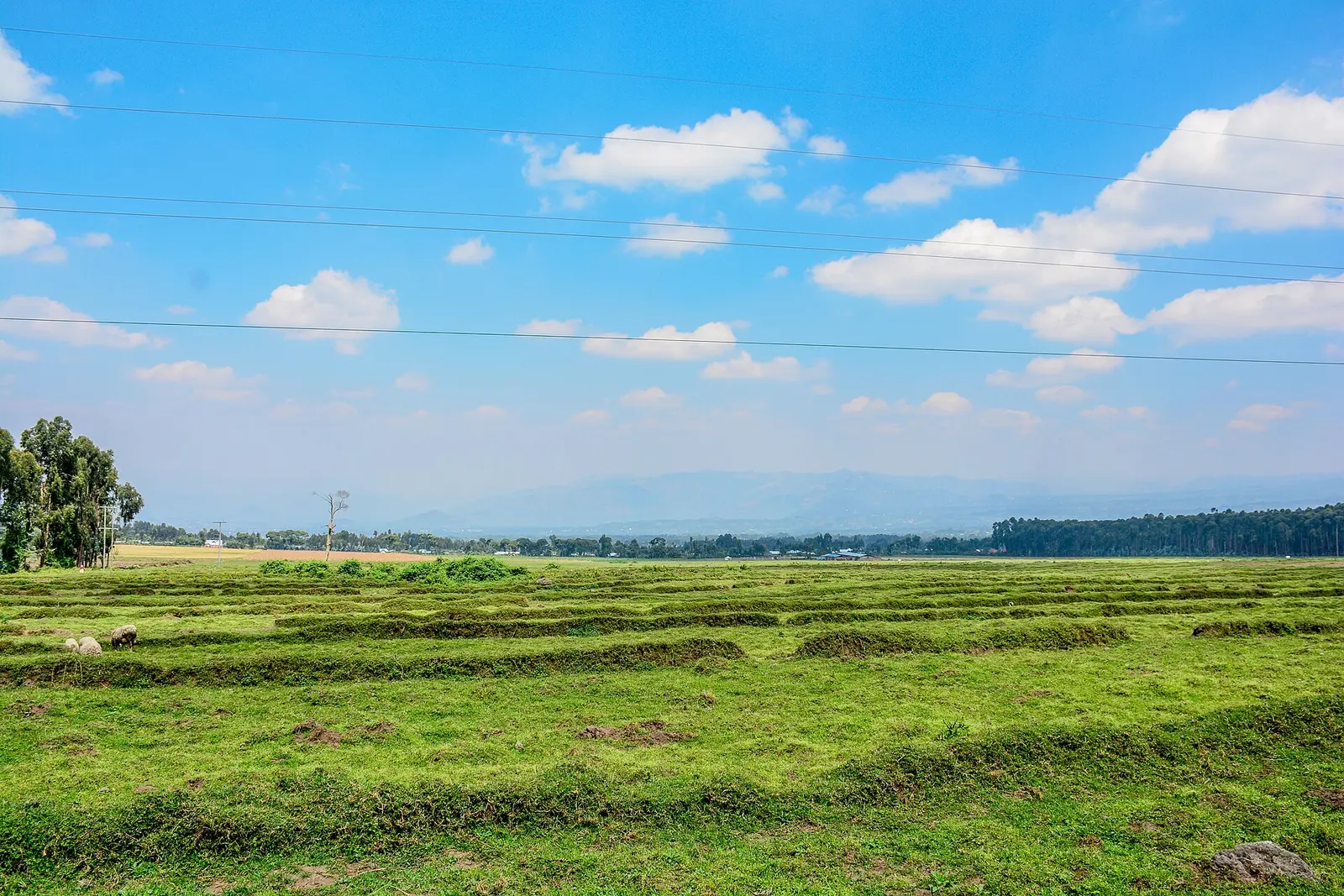
Dry season vs rainy season
Dry season pros
- Firmer, less slippery trails
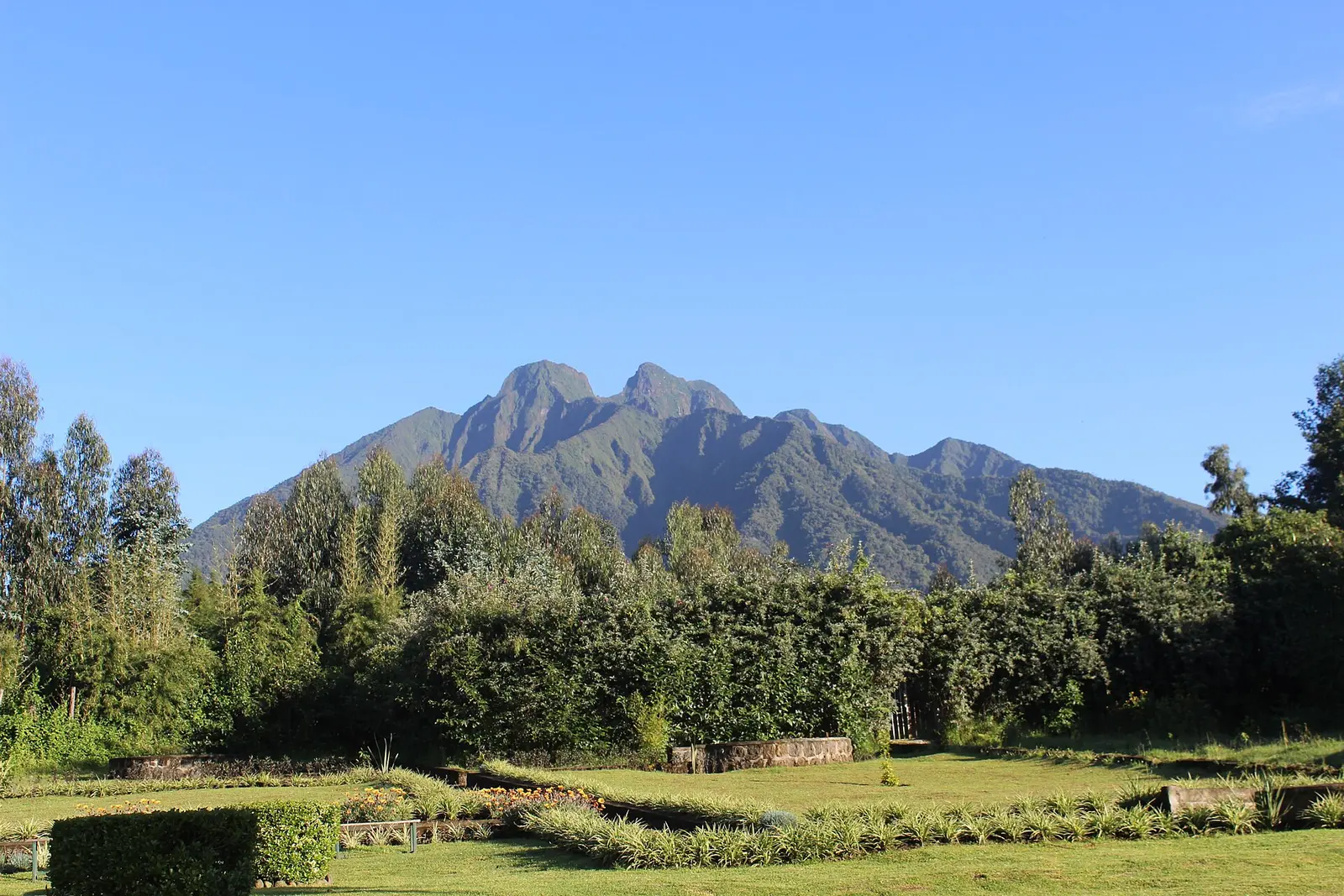
- Better odds of clear views of the volcanoes
- Easier for older trekkers
- More predictable for tight itineraries
Rainy season pros
- Easier permit availability
- Quieter lodges, sometimes lower rates
- Lush, vivid green forest
- Gorillas sometimes lower down for bamboo shoots
Temperature
Expect daytime temperatures of roughly 15–20°C around Kinigi and colder in the forest as you climb, with nights that can drop well below 10°C. Kigali is warmer — usually mid-to-high 20s during the day. That difference catches people out: pack a warm layer even if Kigali feels tropical.
Our recommendation
- Best overall: June to mid-September, if you can book 4–6 months ahead.
- Best balance: early June, late September, or late January to February.
- Best for availability and value: October–November or March–May, with good waterproofs.
- Avoid if you can: trying to get last-minute permits for July, August or Christmas.
Timing questions
What is the best month for gorilla trekking in Rwanda?
July and August are the most popular because they are reliably dry, but June, September, January and February are also excellent. For fewer crowds with reasonable weather, consider early June, late September or late February.
Can you trek gorillas in the rainy season?
Yes. Gorilla trekking runs every day of the year. In the rains, trails are muddier and you will likely get wet, but permits are easier to get, lodges are quieter and the forest is at its greenest.
Are gorillas easier to find in certain seasons?
Gorillas are found on virtually every trek, all year. In the wetter months they sometimes stay lower where bamboo shoots are abundant, which can mean shorter treks — but that varies.
When is Kwita Izina?
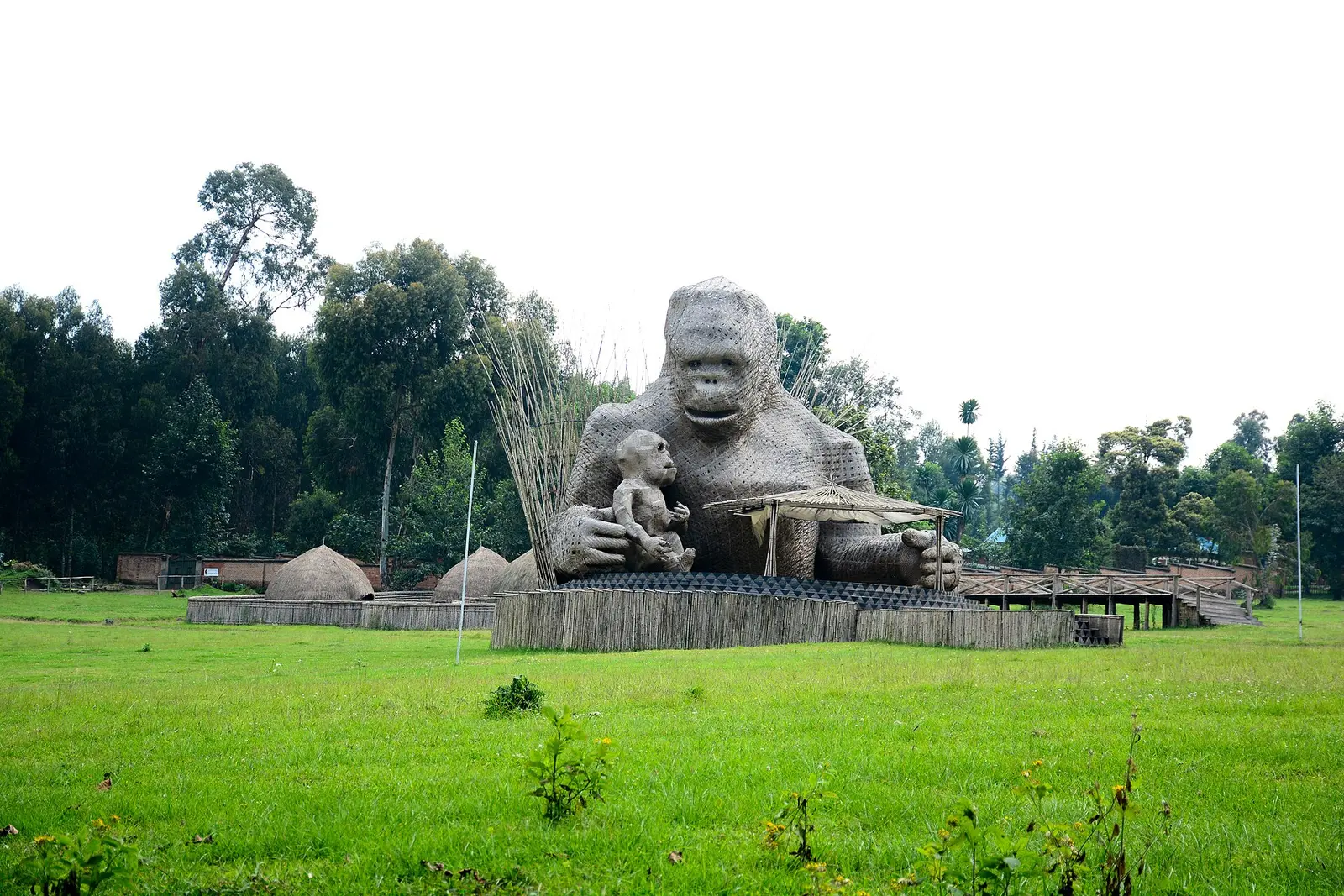
Rwanda's gorilla naming ceremony is usually held in September in Kinigi, though the date has varied. It's announced by RDB each year.
Does it get cold at Volcanoes National Park?
Yes, mornings and evenings are cool all year — often around 10°C or below at night near Kinigi, and colder higher up. Bring layers.