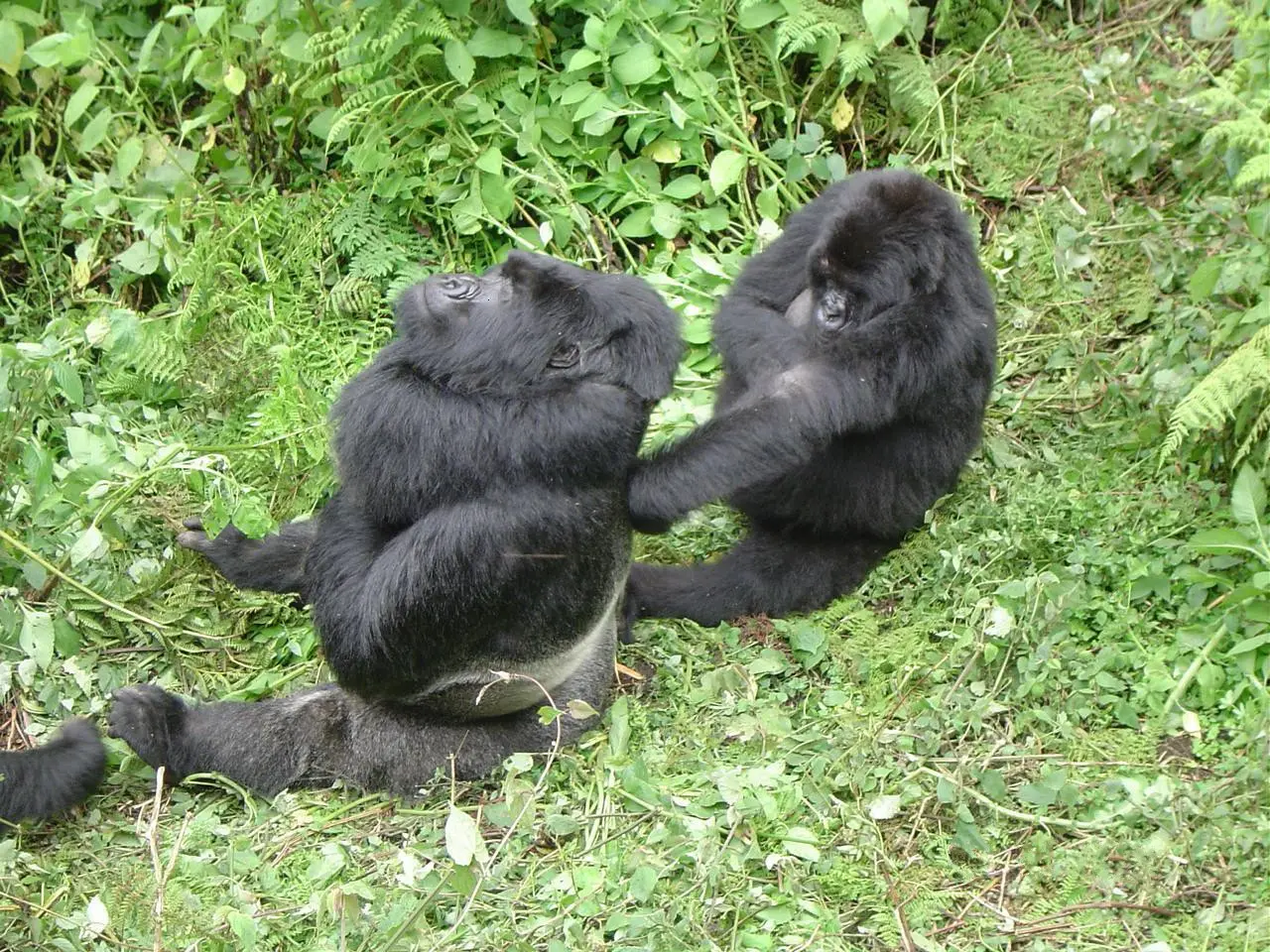
Yes — gorilla trekking in Rwanda is very safe. Every group of up to 8 trekkers is led by an RDB ranger guide with trackers who know the gorilla family personally, plus an armed escort. Serious incidents involving tourists are extremely rare. The risks worth thinking about are slips, fatigue and altitude — not the gorillas. Here's the detail behind gorilla trekking in Rwanda safety.
Are gorillas dangerous?
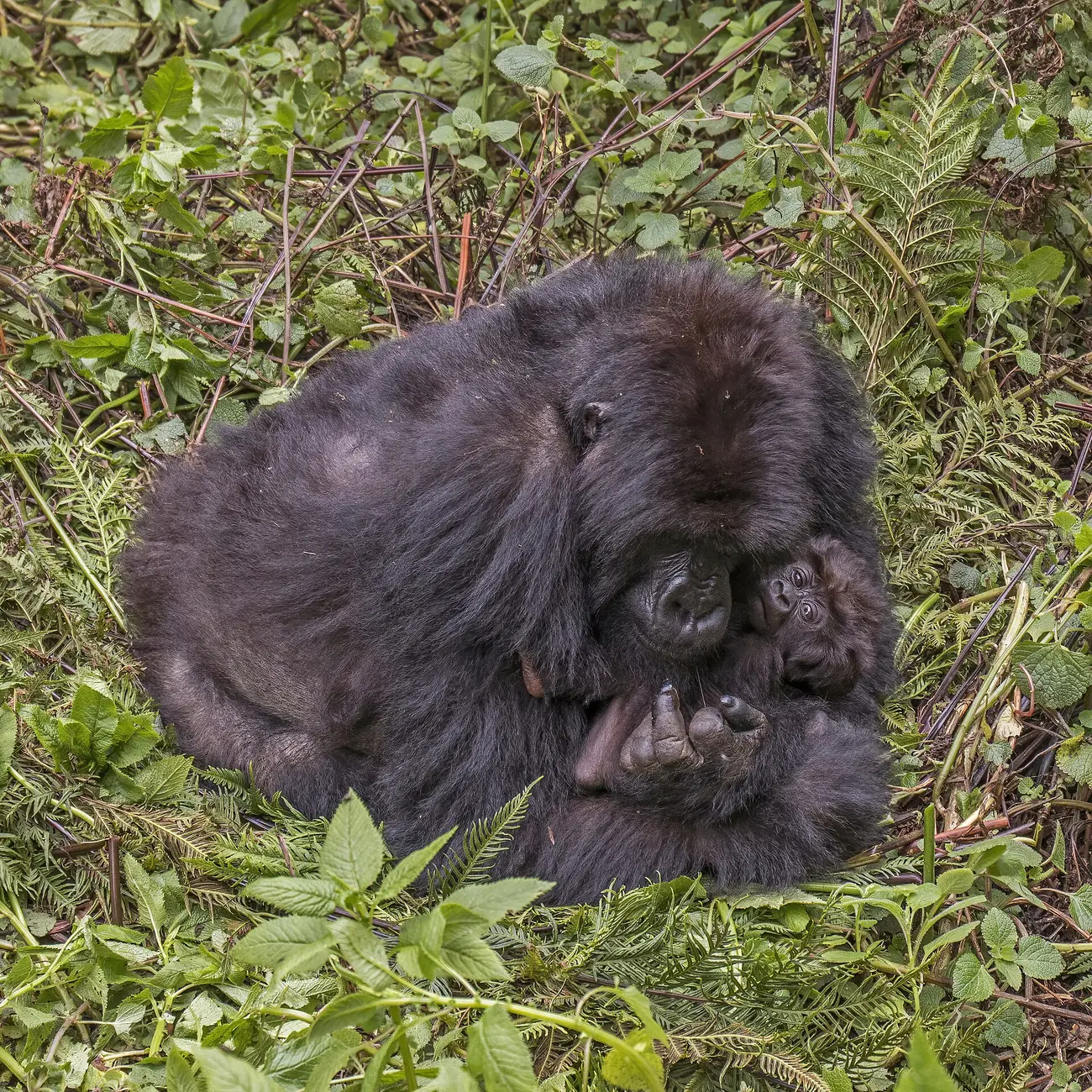
Mountain gorillas are powerful — an adult silverback can weigh around 200 kilograms — but they are peaceful, vegetarian animals. The families you visit are habituated: over years, they have learned that quiet groups of people pose no threat. Your ranger and trackers communicate with the gorillas using soft vocalisations and position the group so the family stays relaxed.
What about silverback charges?
Occasionally a silverback makes a display — chest-beating, crashing through vegetation, even a short run towards the group. It's almost always a bluff to assert dominance. If it happens: don't run, crouch down slowly, look down and stay quiet, and follow your ranger's instructions. It ends in seconds. See the full gorilla trekking rules.
The real risks (and how to manage them)
| Risk | How likely | How to manage it |
|---|---|---|
| Slips and falls on muddy slopes | Common | Good boots, walking stick, porter, go slowly downhill |
| Fatigue and breathlessness at altitude | Common | Steady pace, water, tell the ranger; see fitness guide |
| Nettle stings, ant bites | Common, minor | Long sleeves, gloves, gaiters |
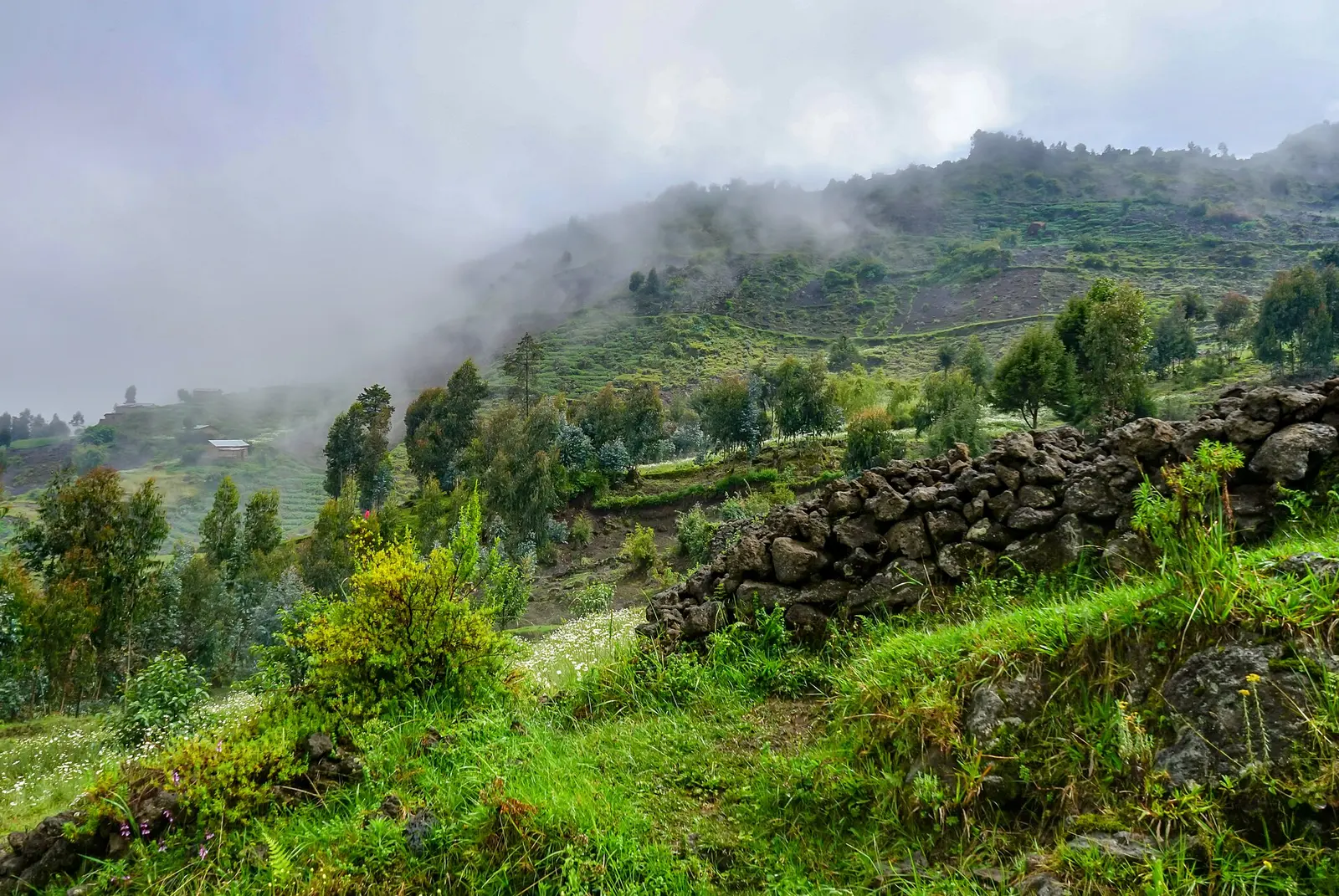
| Sun or cold exposure | Moderate | Layers, hat, sunscreen, rain jacket |
| Gorilla display | Uncommon | Crouch, look down, follow the ranger |
| Buffalo or elephant encounter | Very rare | Armed escort handles it |
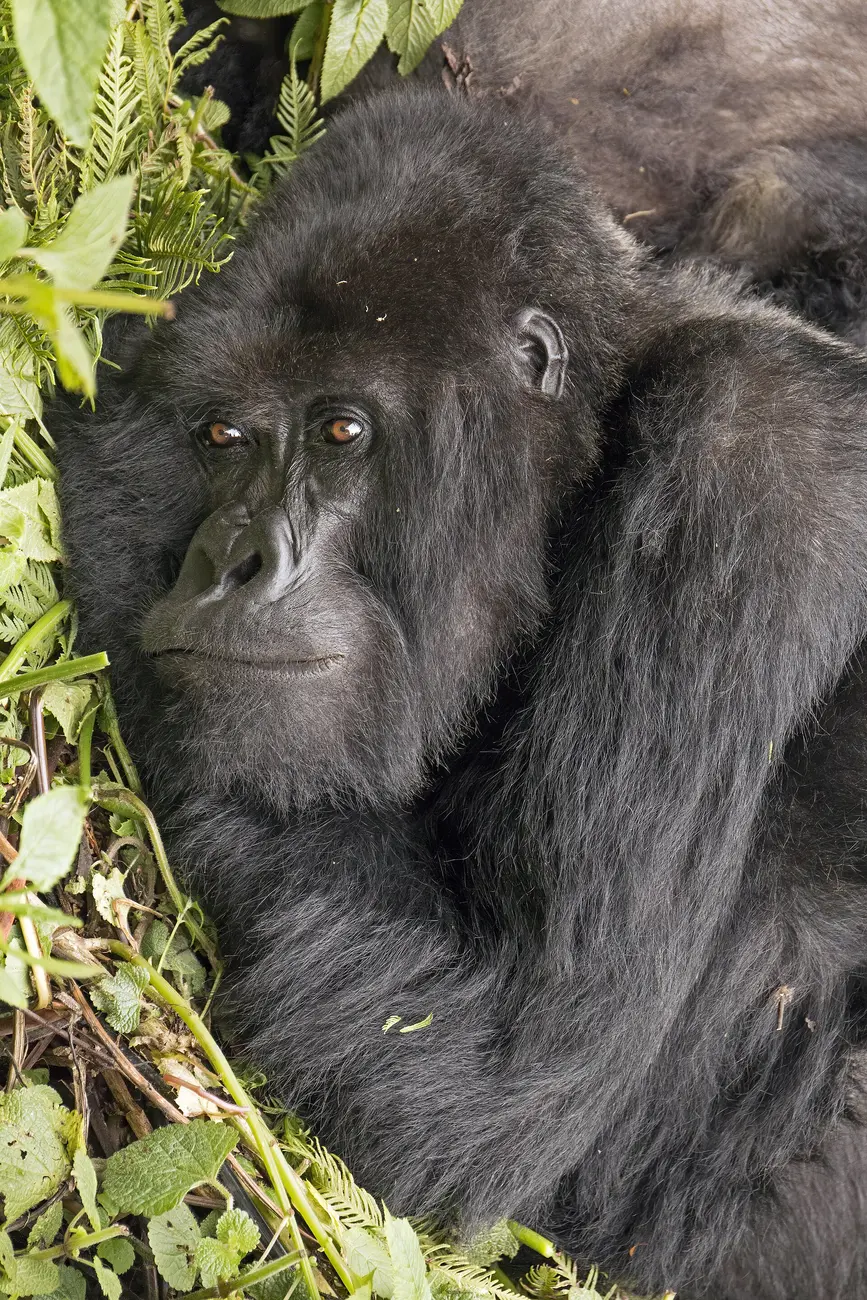
The gorillas' safety matters too
The biggest danger on a gorilla trek is actually to the gorillas: they catch human respiratory illnesses. That's why you must not trek if you're sick, must keep at least 7 metres away, and may be asked to wear a mask. Following those rules protects them — and keeps tourism possible.
Is Rwanda safe to visit?
Rwanda is widely regarded as one of the safest countries in Africa: low crime, good roads, visible and professional police, and a stable political environment. Kigali is calm and walkable. Normal precautions apply. See Rwanda travel tips.
Medical care
There is a hospital in Musanze, about 20–25 minutes from the park headquarters, and better-equipped hospitals in Kigali. Make sure your travel insurance covers medical evacuation.
Safety checklist
- Book through a licensed operator with experienced driver-guides
- Tell us about health conditions so the park can assign a suitable family
- Hire a porter and use a walking stick
- Wear proper boots, gloves and layers
- Follow every ranger instruction
- Carry travel insurance with evacuation cover
Safety questions
Is gorilla trekking in Rwanda safe?
Yes. Every group is led by an RDB ranger guide with trackers and an armed escort, the gorillas are habituated to calm human presence, and serious incidents involving tourists are extremely rare. The main real risks are slips on muddy slopes and tiredness at altitude.
Do gorillas attack tourists?
Attacks on tourists are extremely rare. Silverbacks sometimes make bluff charges to assert themselves; if you crouch, look down and follow your ranger, they stop. The rules on distance and behaviour exist partly to prevent this.
Is Volcanoes National Park safe?
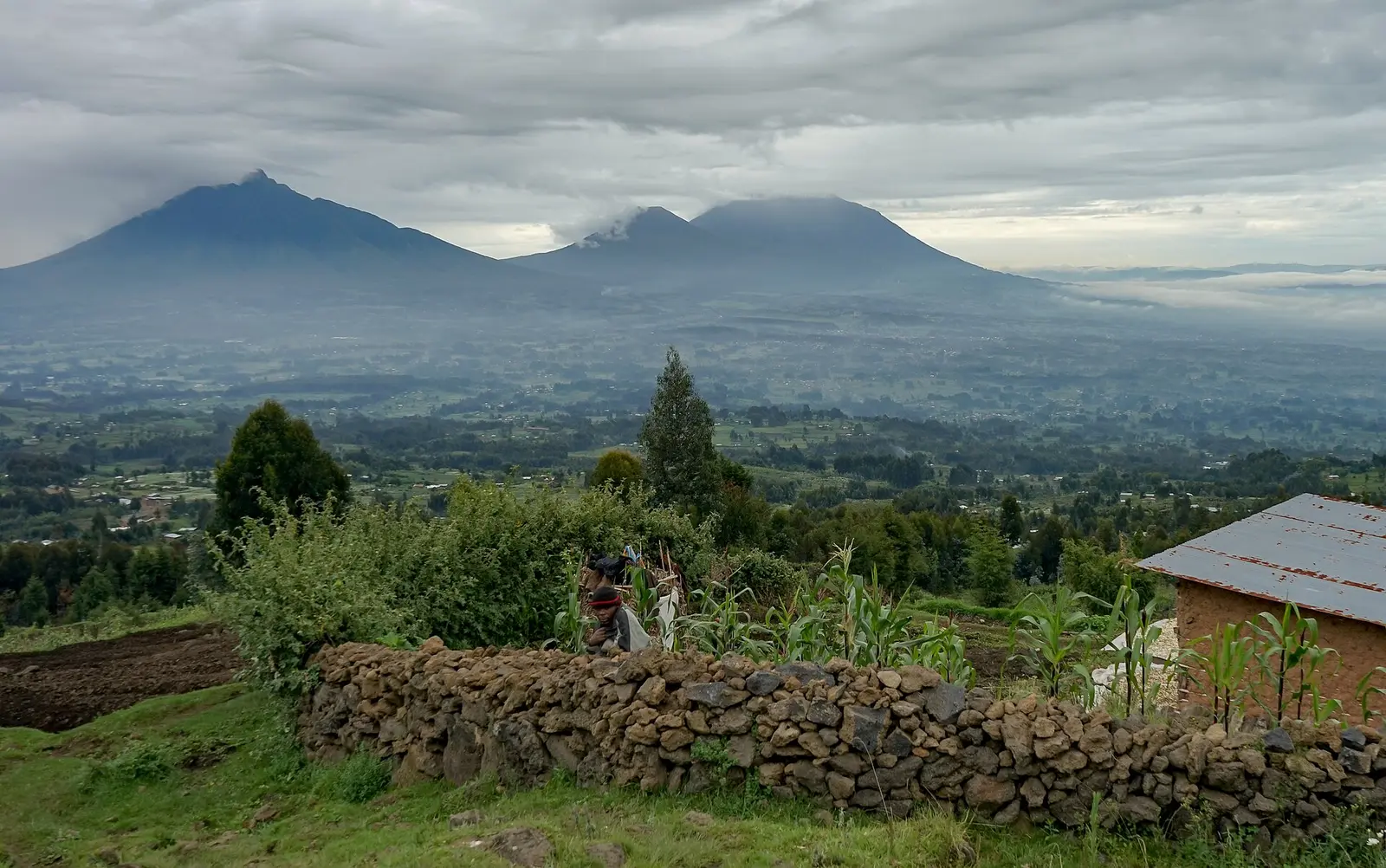
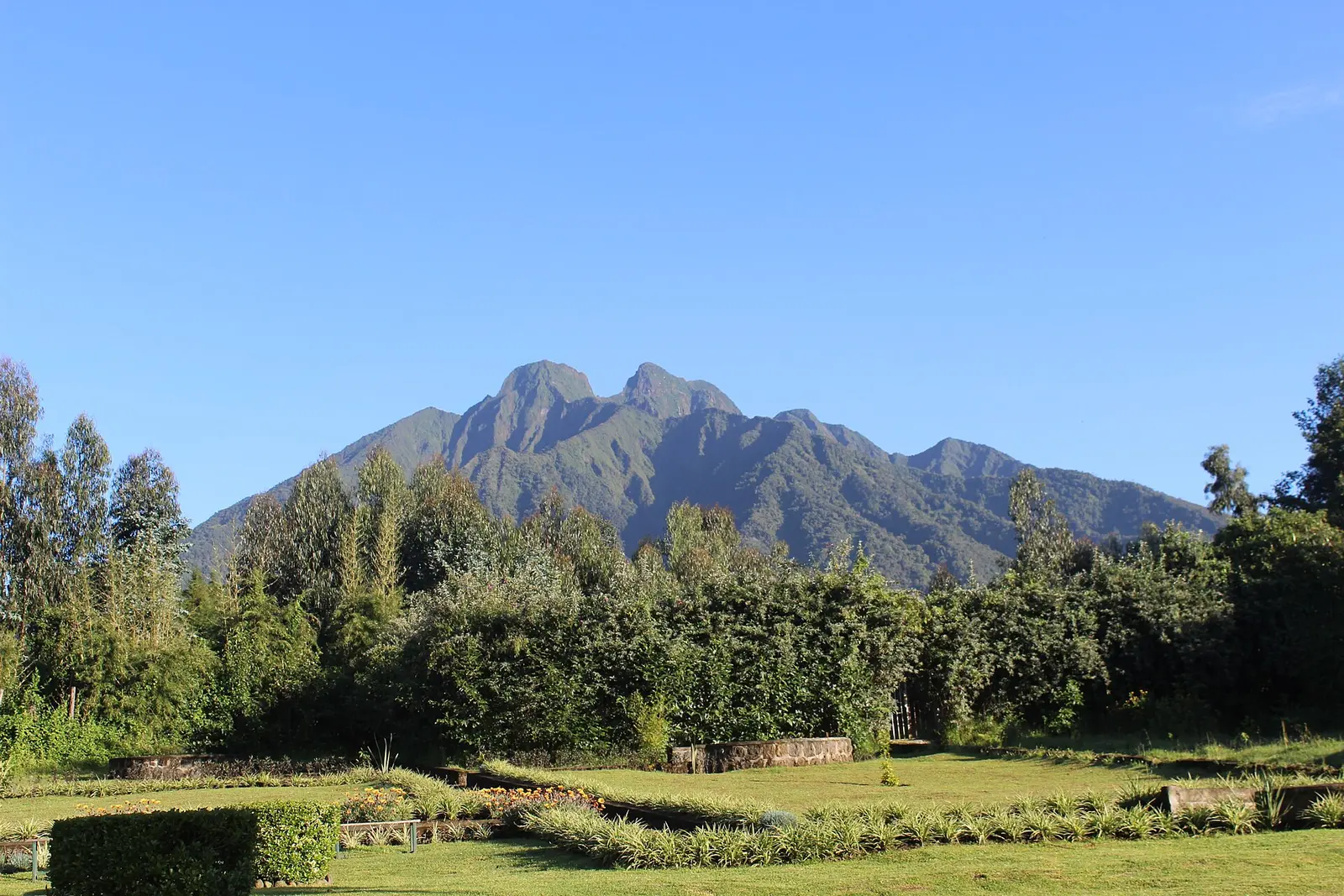
Yes. The park is well protected and patrolled, and Rwanda is widely regarded as one of the safest countries in Africa for visitors.
Why do rangers carry guns on gorilla treks?
Mainly as a precaution against forest buffalo and elephants, which are rarely encountered. The guns are almost never used.