The short answer: for the overwhelming majority of people who do it, gorilla trekking in Rwanda is the best travel experience of their lives, and they say so without hesitation. But it costs real money — the permit alone is $1,500 — so it deserves an honest answer rather than a sales pitch.
What you actually get for the money
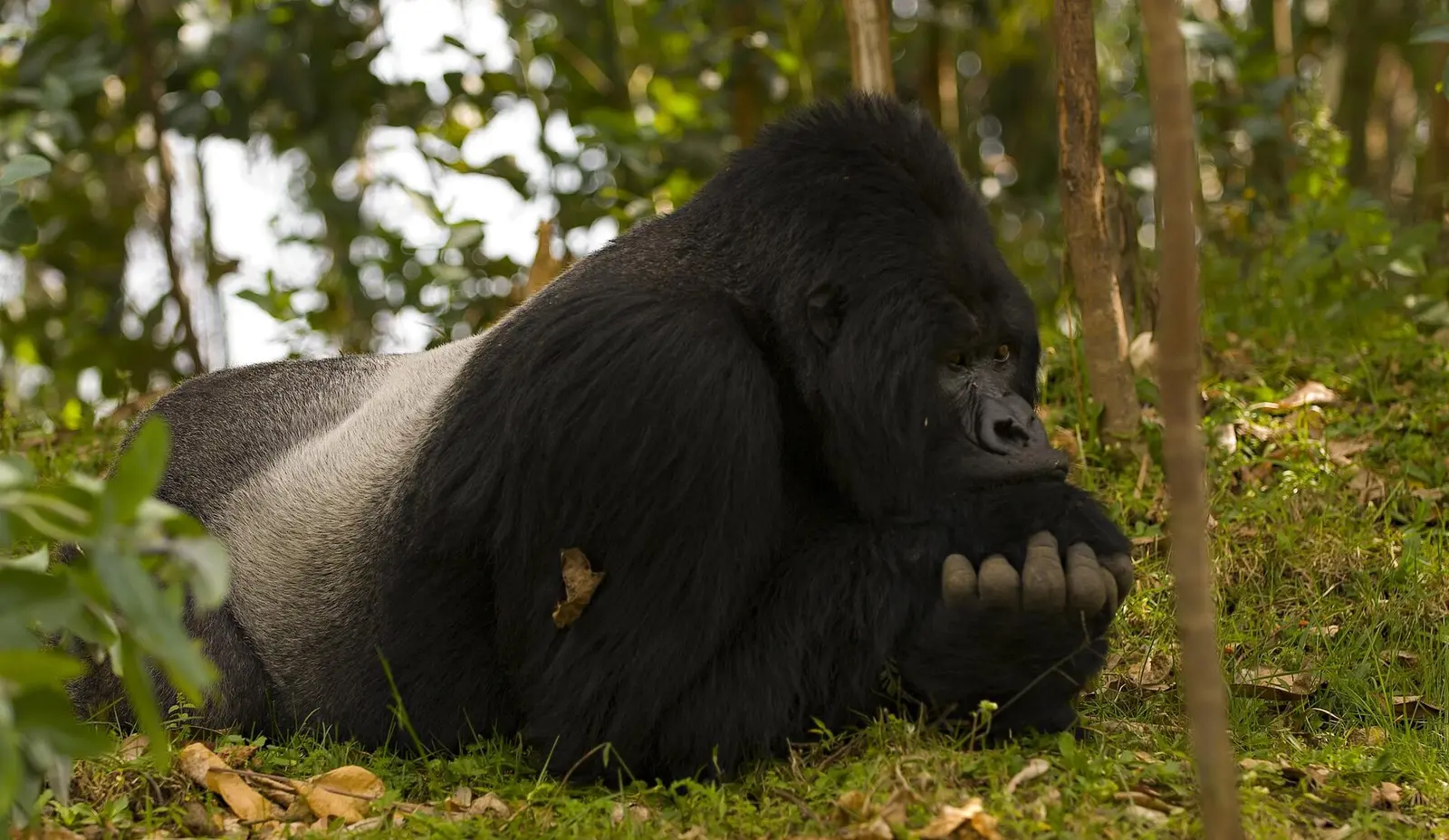
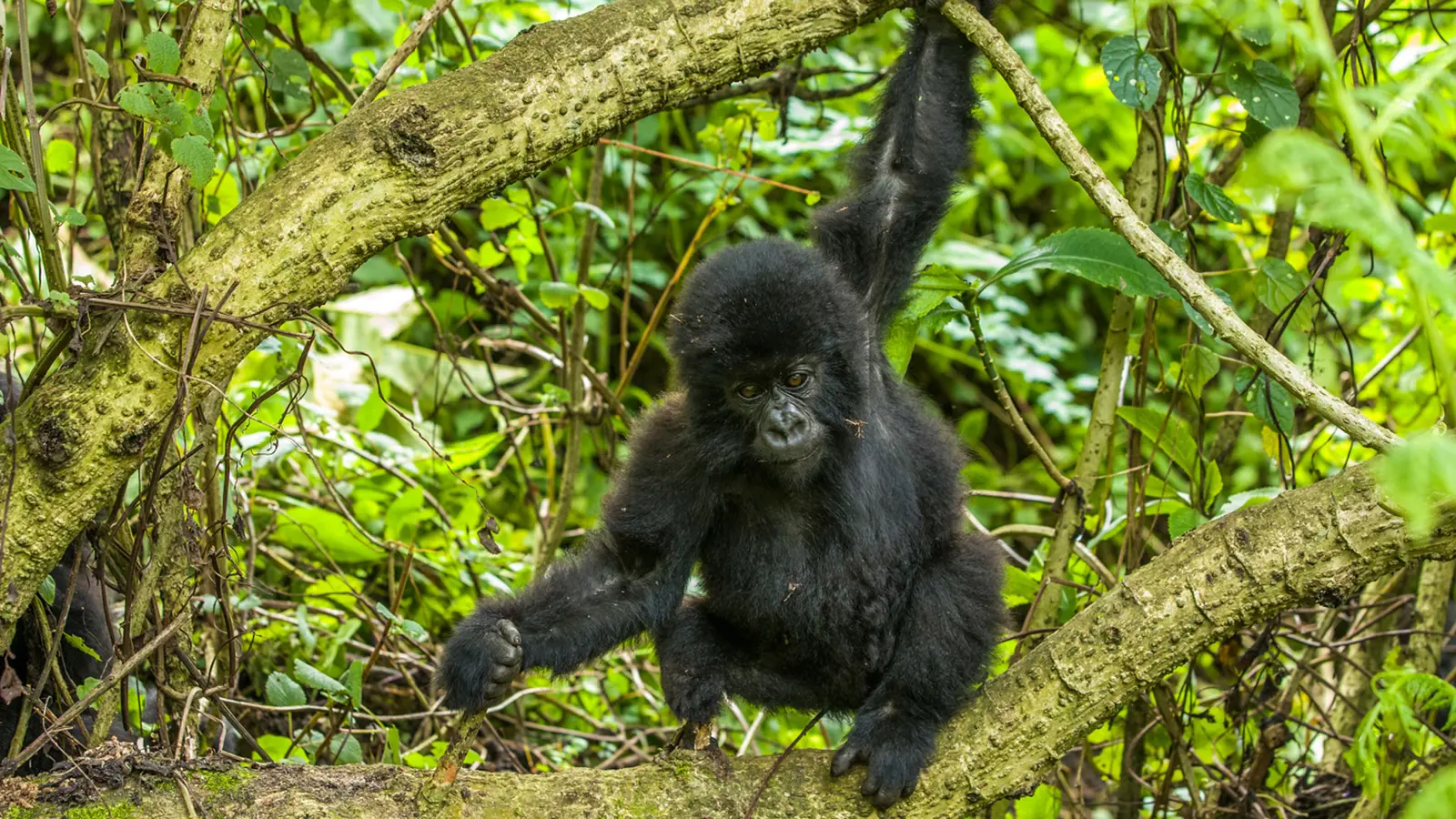
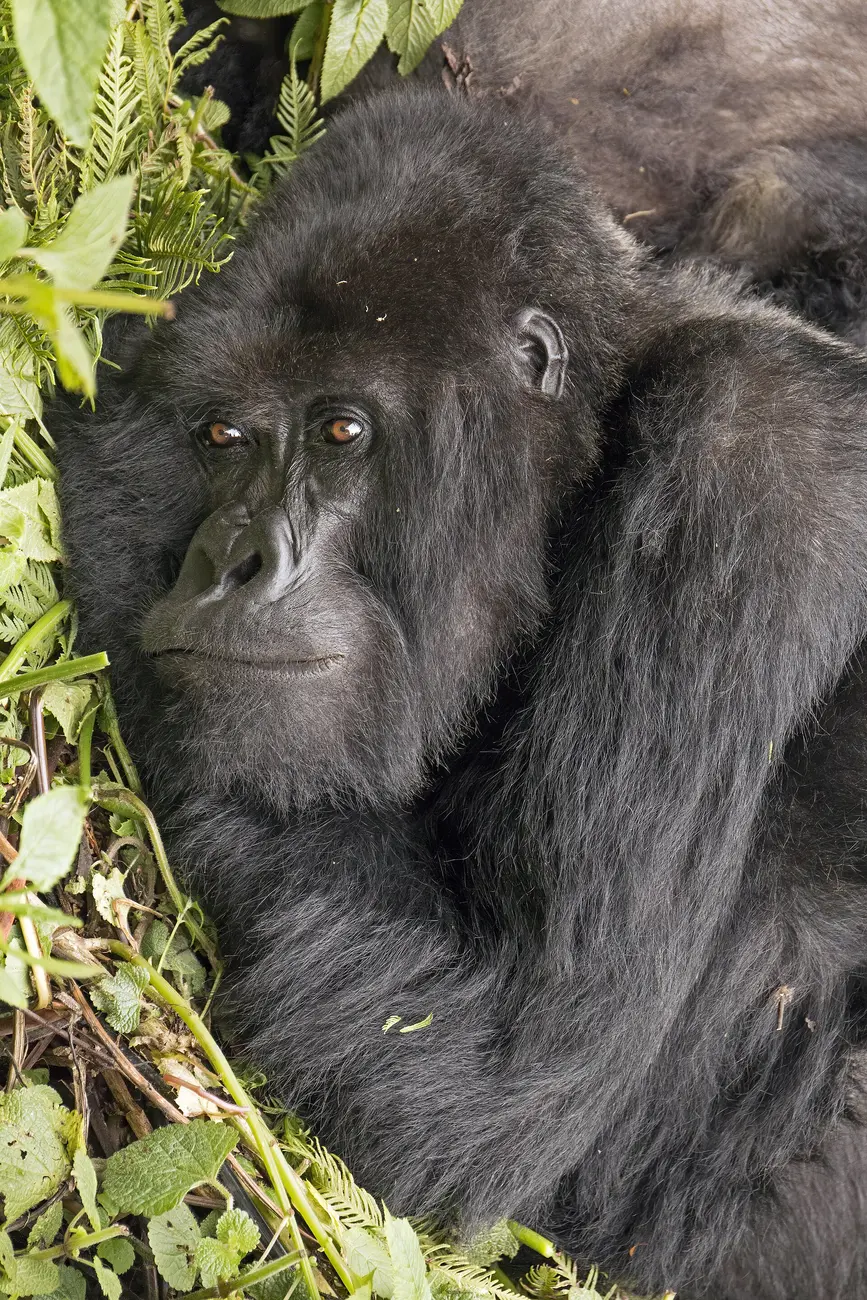
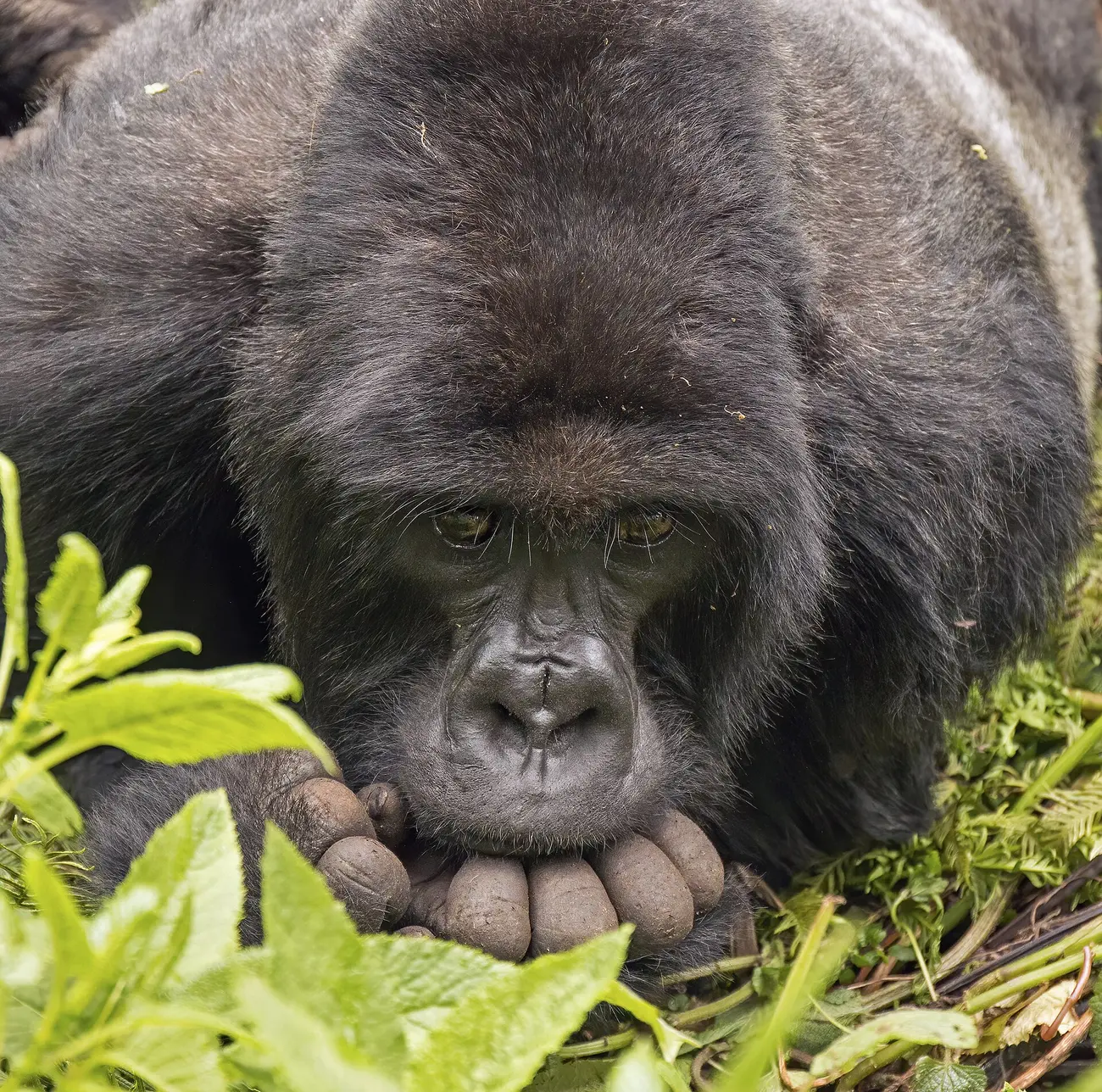
You get one hour in the presence of a habituated family of wild mountain gorillas, usually at a distance of seven to ten metres, sometimes closer when a curious youngster wanders over. You see a silverback weighing perhaps 200 kilograms strip bamboo with his hands, a mother nurse an infant, juveniles wrestle and tumble down a slope. There are no fences, vehicles or crowds — just your group of up to 8, a ranger and the trackers.
The permit also pays for the people who make that possible: trackers who find the family at dawn every single day, rangers who patrol for snares, field vets who can treat a sick gorilla, and a revenue-sharing programme that invests park income in the communities around Volcanoes National Park.
Why it's worth it for most people
- It is genuinely rare. A little over a thousand mountain gorillas exist, in only two forest blocks on Earth.
- It is reliable. Trackers locate the family before you arrive, so sightings are almost guaranteed.
- It is intimate. No safari vehicle, no window — you stand in the forest with them.
- It does good. Mountain gorillas are one of the very few great apes whose numbers are rising, and tourism revenue is a major reason why.
- It is easy to reach. In Rwanda the park is about 2.5 hours from Kigali airport; you can even do it as a day trip.
When it might not be worth it
- If walking is very difficult for you and you cannot arrange porters or a carried chair. Treks can be steep and muddy.
- If you want quantity over intensity. A savannah safari shows you dozens of species a day; gorilla trekking is one family for one hour.
- If the cost would cause real financial stress. Uganda's permit is $800; it's a fine alternative if you have more time — see Rwanda vs Uganda.
- If you're travelling with children under 15, who cannot trek. Golden monkeys are a good substitute.
How to get the most value from your permit
- Book the dry season if you can (June–September, December–February) for firmer trails and better light — but don't be afraid of the green season.
- Sleep near the park so you arrive fresh rather than after a 4:30 AM start.
- Hire a porter. It costs little, makes the trek far easier and supports local families.
- Put the camera down for part of the hour. The memory is worth more than the hundredth photo.
- Consider two treks. Different families, different encounters — often the second is the one people talk about most.
The cheaper ways to do it
The permit can't be discounted, but the rest can. Our budget trek is $1,900 all-in with a shared vehicle from Kigali; a private day trip is $2,000. Use the cost calculator to see your exact total.
Our verdict
If you can afford it and can manage a few hours of hiking, yes — it is worth it. Very few experiences in travel are both this extraordinary and this directly good for the place you're visiting.
Worth it? Questions
Is gorilla trekking in Rwanda worth $1,500?
For most people, yes. The fee buys one of the rarest wildlife encounters on Earth — an hour a few metres from a wild mountain gorilla family — and it directly funds the rangers, vets and community projects that have helped mountain gorillas recover. If the permit is genuinely out of reach, Uganda's $800 permit is the honest alternative.
Who might not enjoy gorilla trekking?
People who cannot walk for a few hours on steep, muddy ground (unless they arrange porters or a carried chair), anyone under 15, and travellers who would rather see lots of animals than spend one intense hour with a single family.
Is one hour with the gorillas enough?
It feels short, but almost everyone says it was enough to be unforgettable. If you want more time, book a second trek with a different family, or the habituation experience with up to about four hours.