Rwanda Gorilla Trekking, done properly
Gorilla trekking in Rwanda means one hour, seven metres from a wild mountain gorilla family in Volcanoes National Park. We secure your $1,500 RDB gorilla permit, drive you from Kigali in a private 4x4, and handle everything in between — with prices you can see before you ask.
In plain words
What is gorilla trekking in Rwanda?
Updated · by the Rwanda Gorilla Permits trek team, Kigali
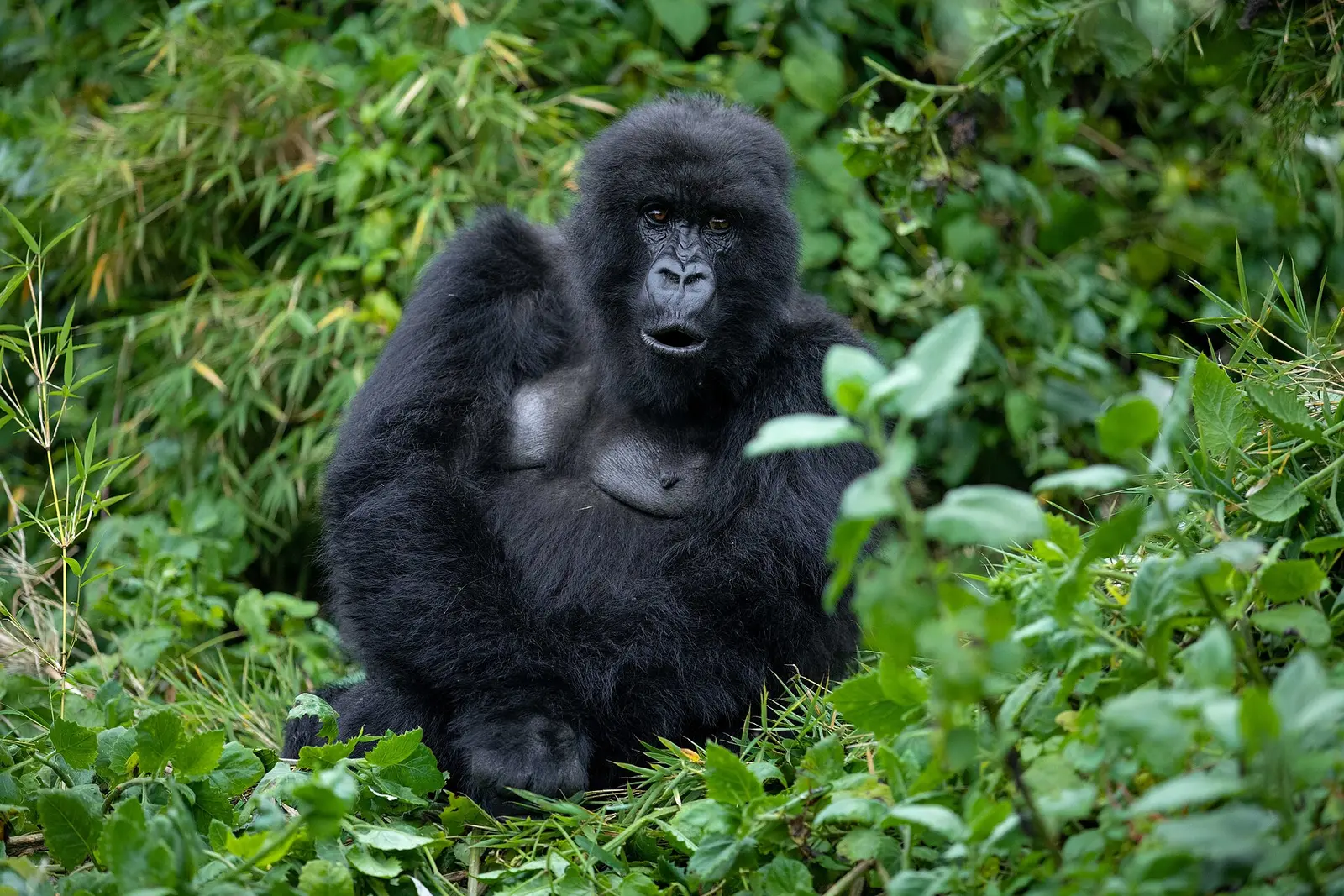
Gorilla trekking in Rwanda is a guided hike into Volcanoes National Park to spend one hour with a habituated family of wild mountain gorillas. Each visit needs a $1,500 permit from the Rwanda Development Board, groups are limited to 8 people, and only 96 permits are issued per day in the whole country.
There are a little over a thousand mountain gorillas left on Earth, and every one of them lives in two small patches of high forest: the Virunga volcanoes shared by Rwanda, Uganda and the Democratic Republic of Congo, and Uganda's Bwindi Impenetrable Forest. Rwanda's share of the Virungas is protected as Volcanoes National Park, and it is the most accessible place on the planet to see these animals in the wild.
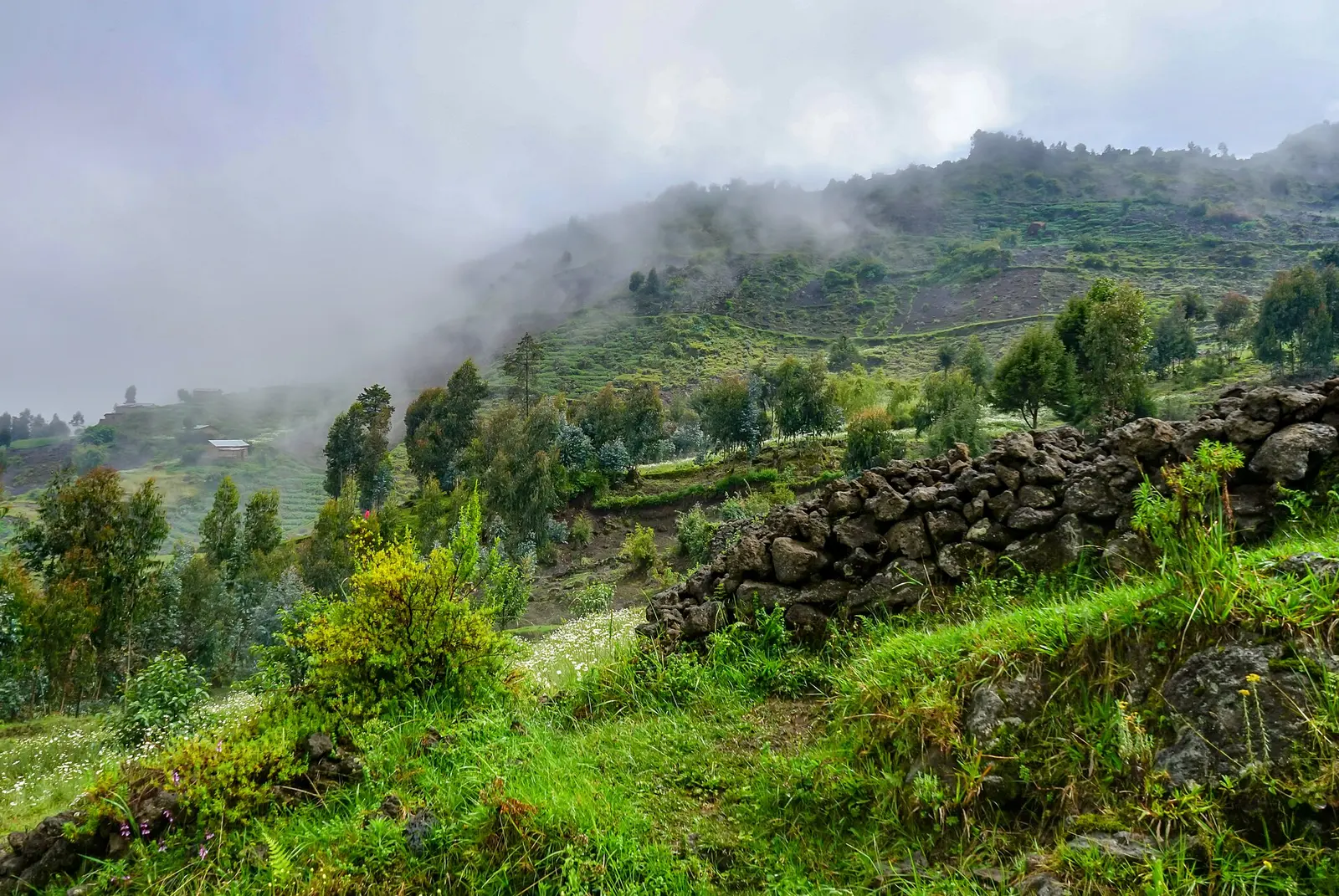
Each morning, trackers set out at first light to the place where the family built its night nests, then follow the trail of flattened vegetation and fresh feeding sign until they find them. Meanwhile you are being briefed at the park headquarters in Kinigi and assigned to one of the 12 habituated gorilla families open to visitors. You drive to the trailhead, walk through farmland to the stone wall that marks the park boundary, and then into bamboo and nettle forest with your ranger guide, who is in radio contact with the trackers.
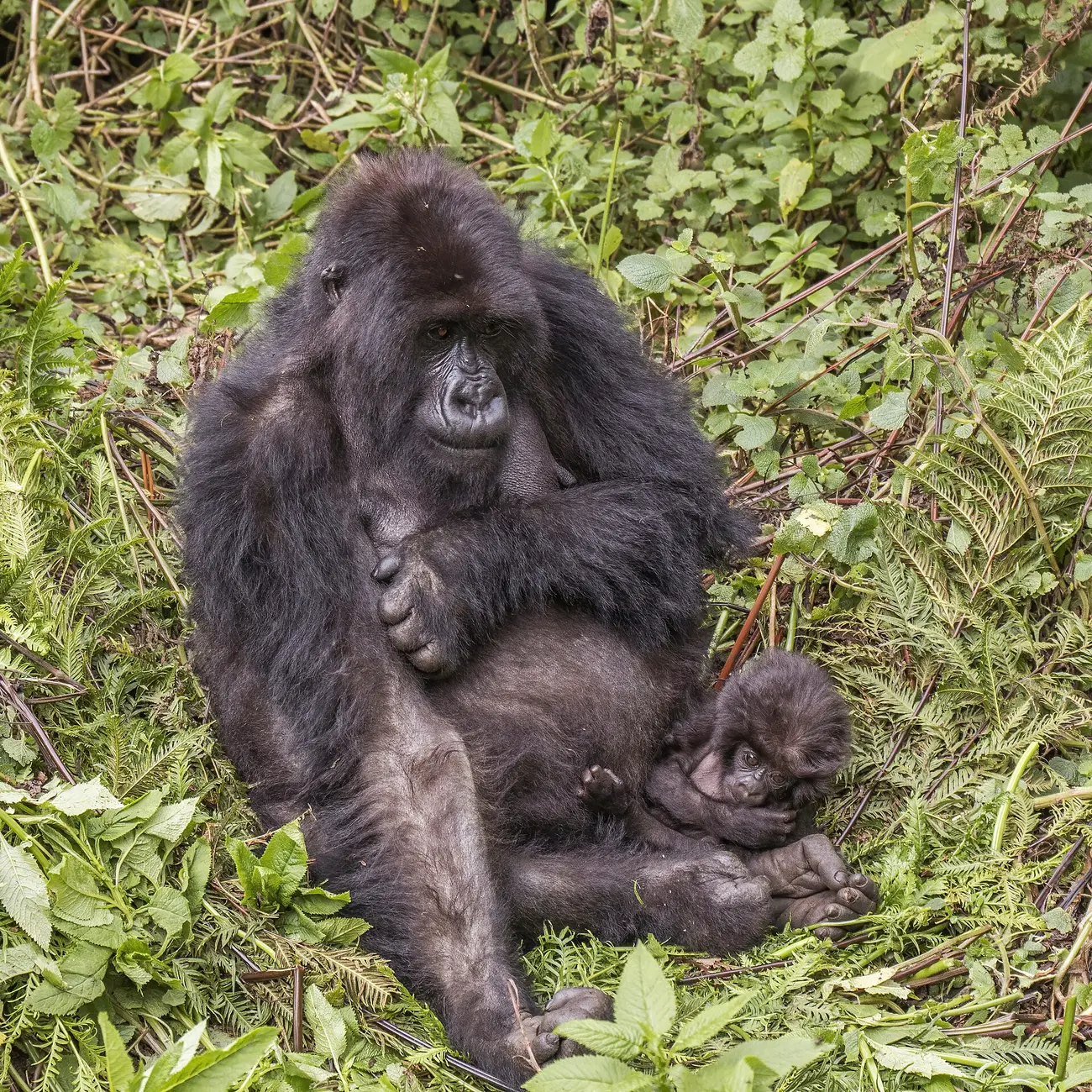
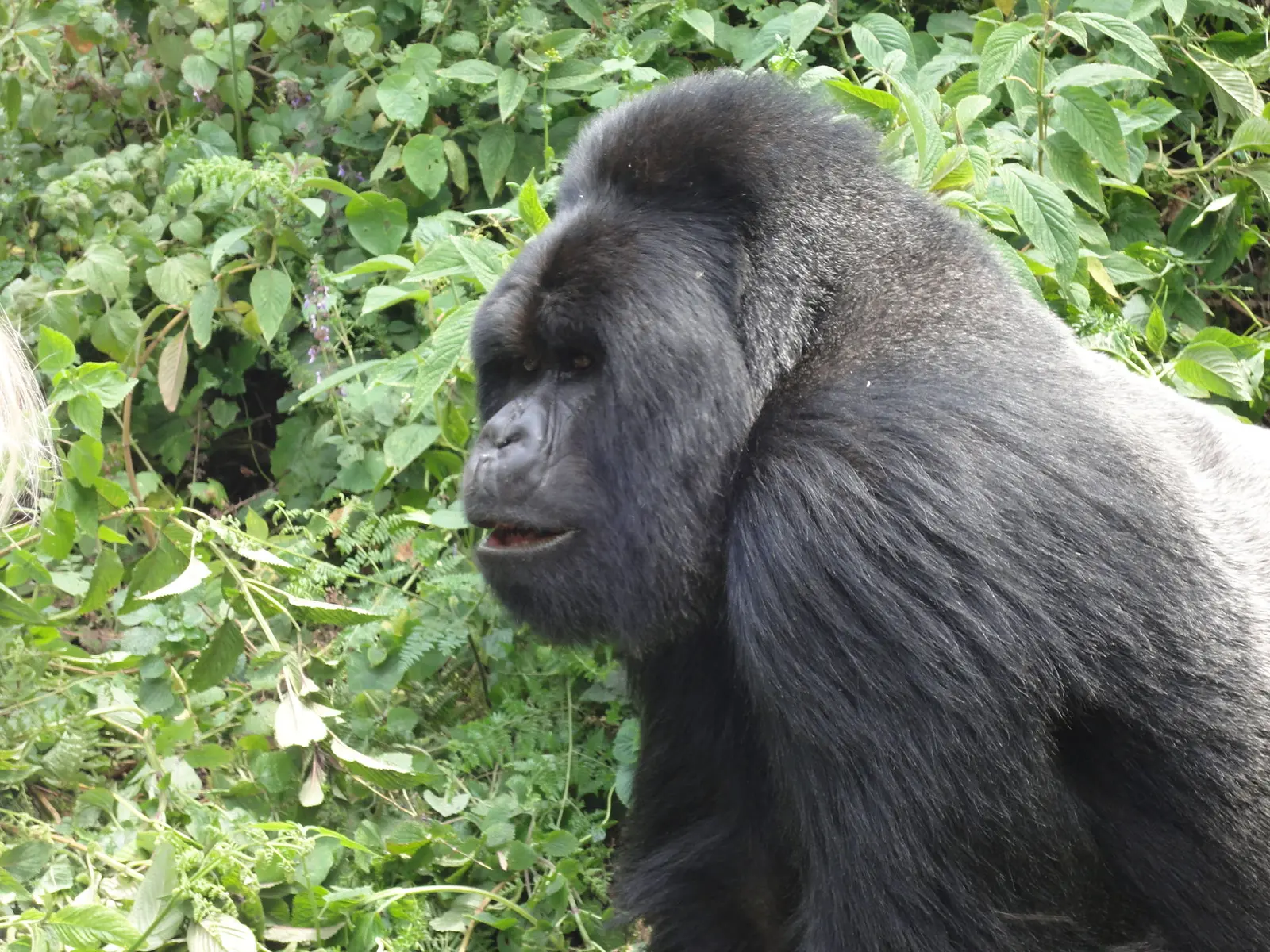
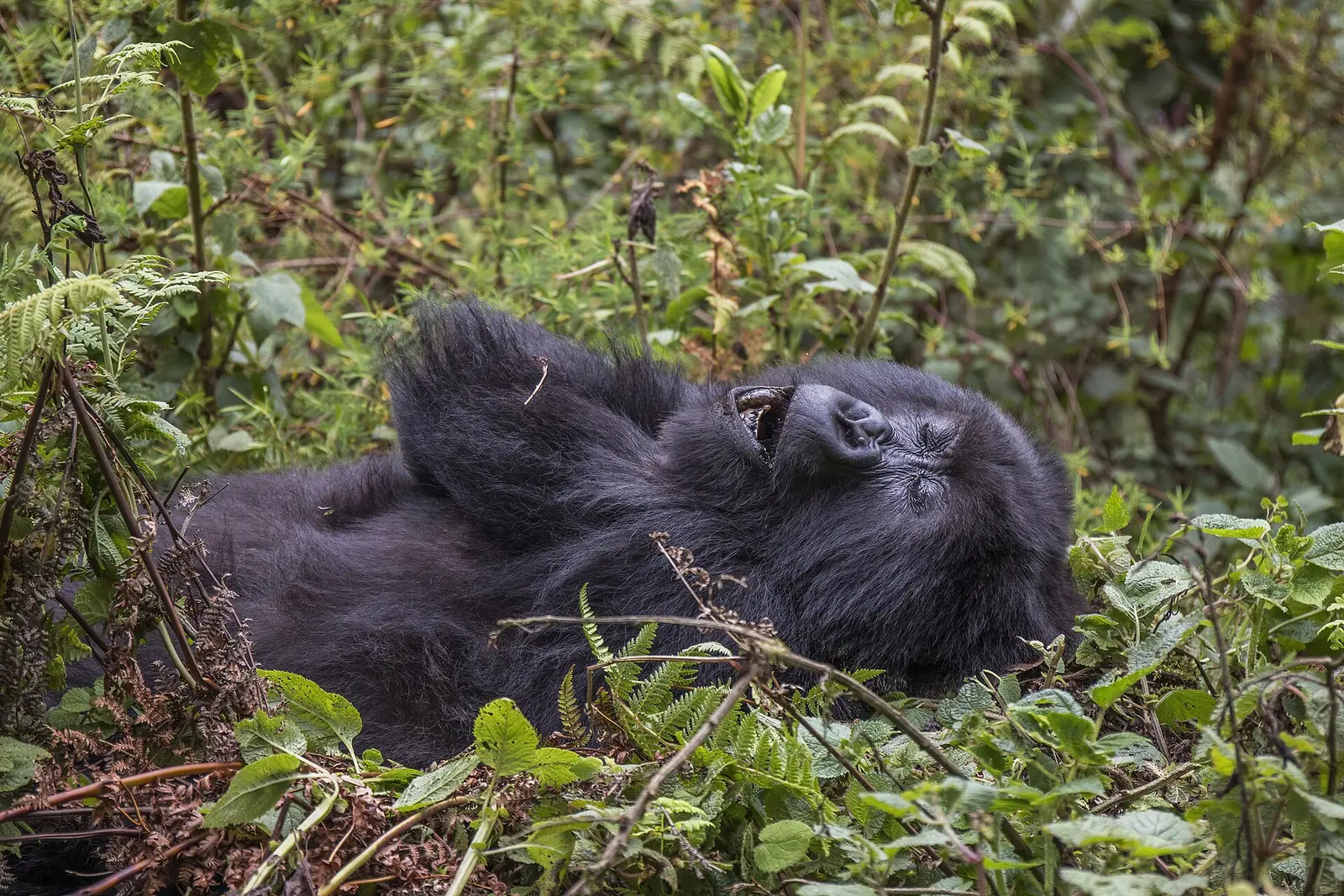
When you reach the family, the walk stops being a hike. Bags and sticks are left behind with the porters, you move forward in silence, and for sixty minutes you watch a silverback, his females and their young eat, groom, play and nap a few metres away. Then the hour is up, and you walk out again.
It sounds simple, and in a sense it is. But getting the logistics right — the right date, a confirmed Rwanda gorilla permit, the right family for your fitness, the right lodge or a well-timed drive from Kigali — makes the difference between a stressful day and the best day of your trip. That is what we do.
Treks & prices
Tours & prices for 2026
Every option includes the $1,500 RDB gorilla permit. What changes is the vehicle, how many days you take, and where you sleep. Prices are per person in US dollars.
 Lowest price
Budget Gorilla Trek
Shared vehicle from Kigali, same permit, same hour with the gorillas.
 Most booked
Private Day Trip from Kigali
Private 4x4 and guide, 4:30 AM pickup, back in Kigali tonight.
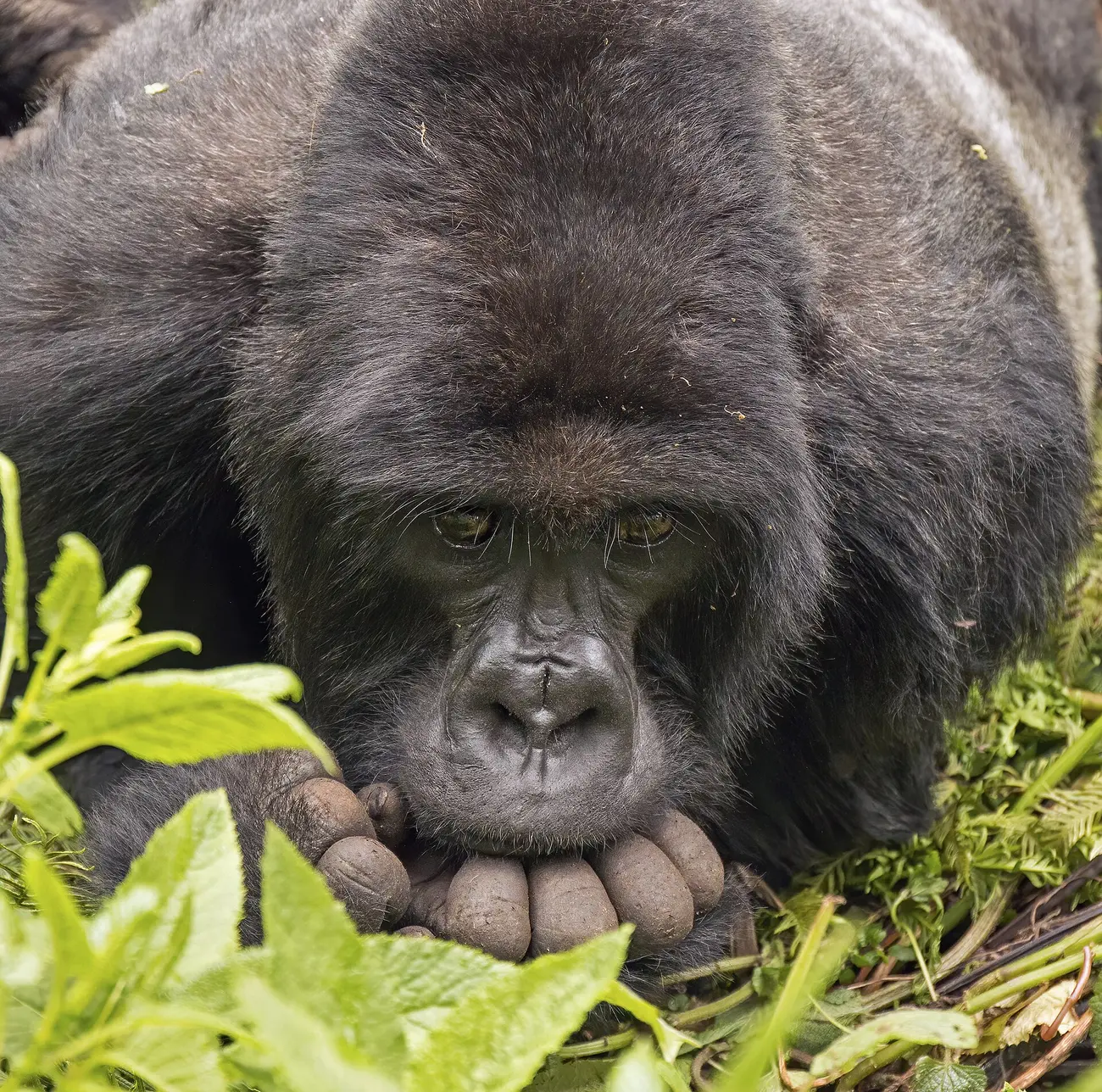 4 hours with gorillas
Gorilla Habituation Experience
Join trackers with a family still being habituated. Tiny groups.
 Best value
3-Day Gorillas & Golden Monkeys
Gorillas, golden monkeys and Kigali, two nights near the park.
All meals included2-Day Gorilla Safari
Trek, a night near the park, and a guided Kigali day.
 One&Only
Luxury Gorilla Safari
Two nights at One&Only Gorilla's Nest, two private treks.
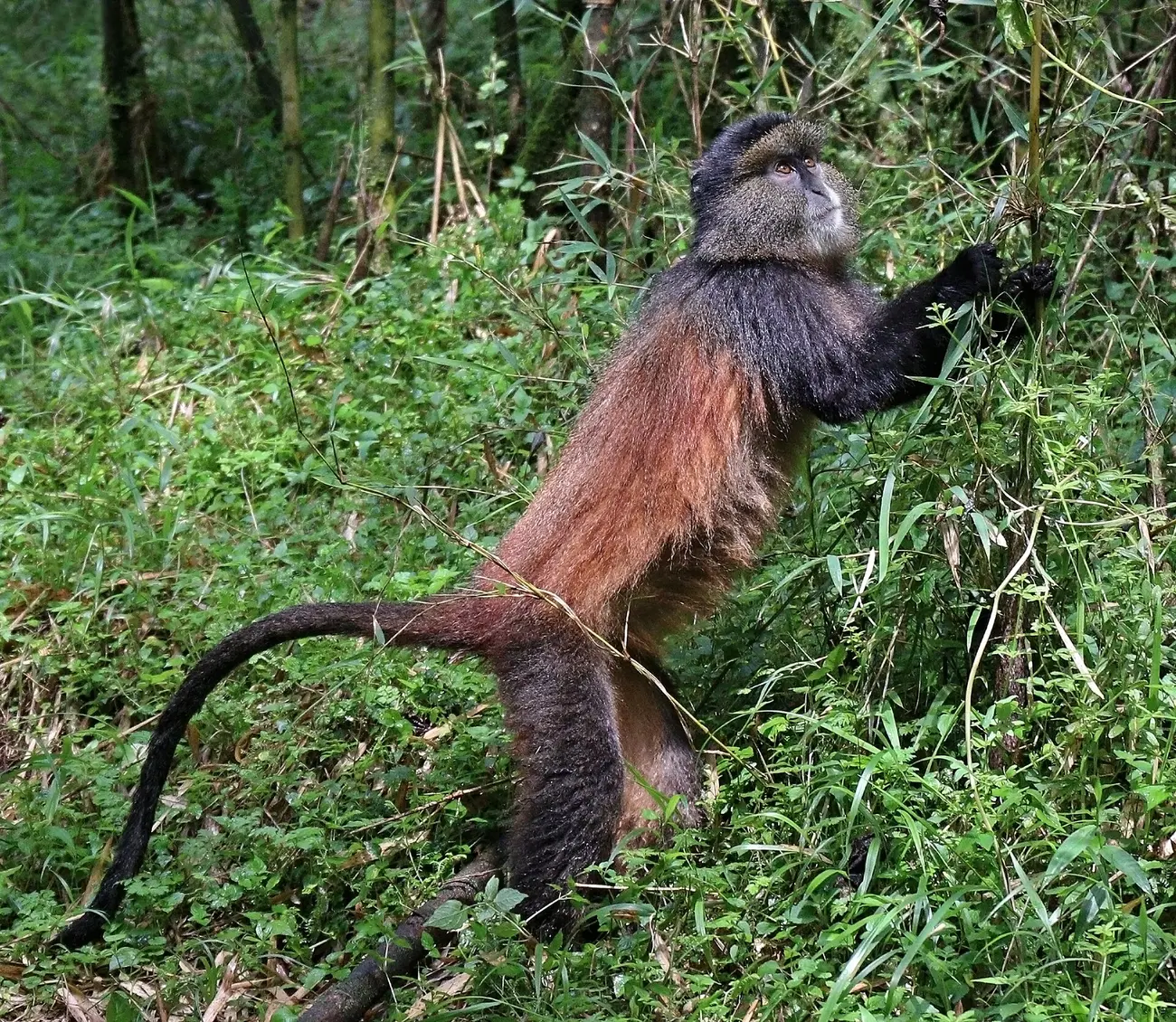 Golden monkeys
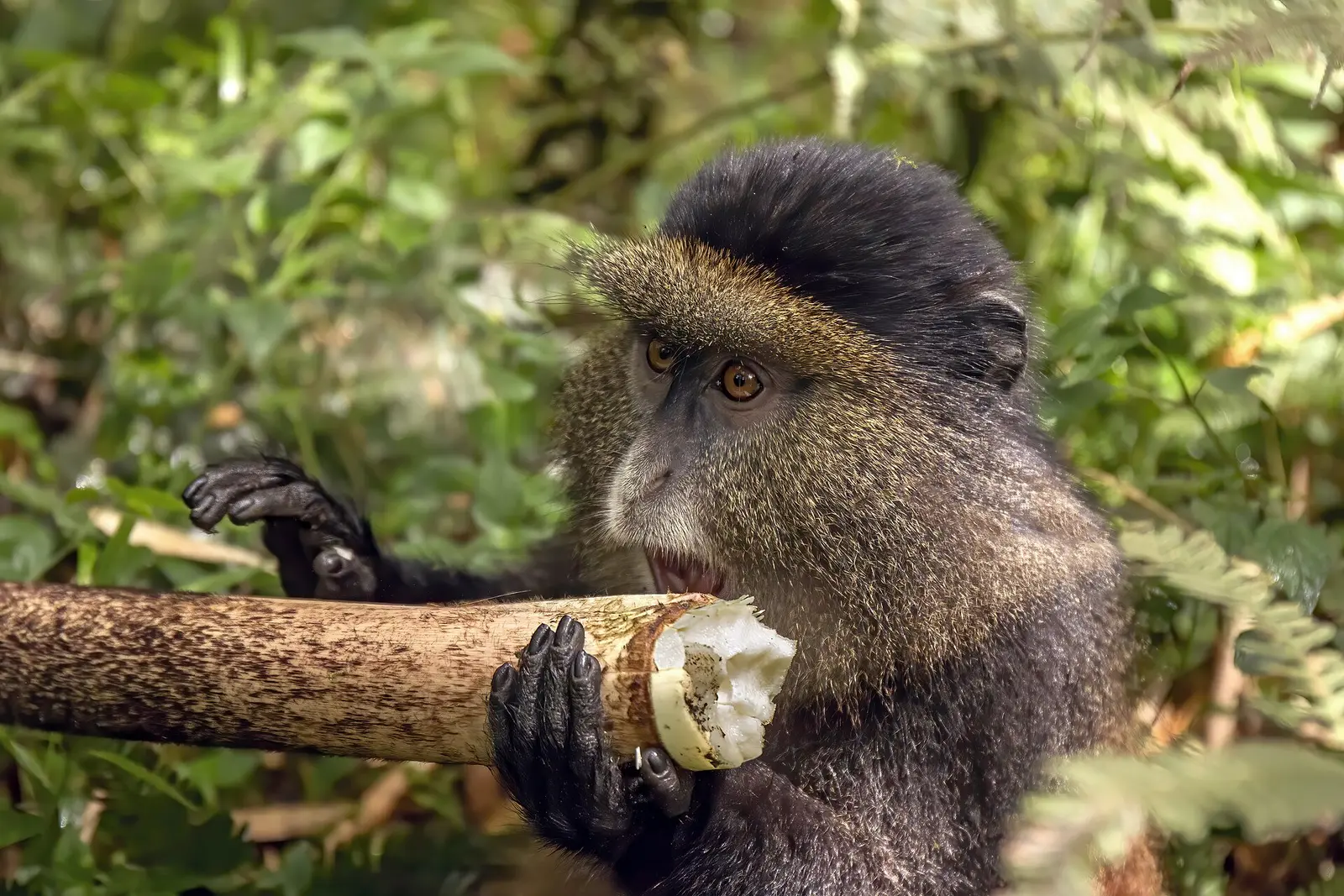
Golden Monkey Day Trip from Kigali
Private 4x4 from Kigali to track golden monkeys in the bamboo forest. Permit included.
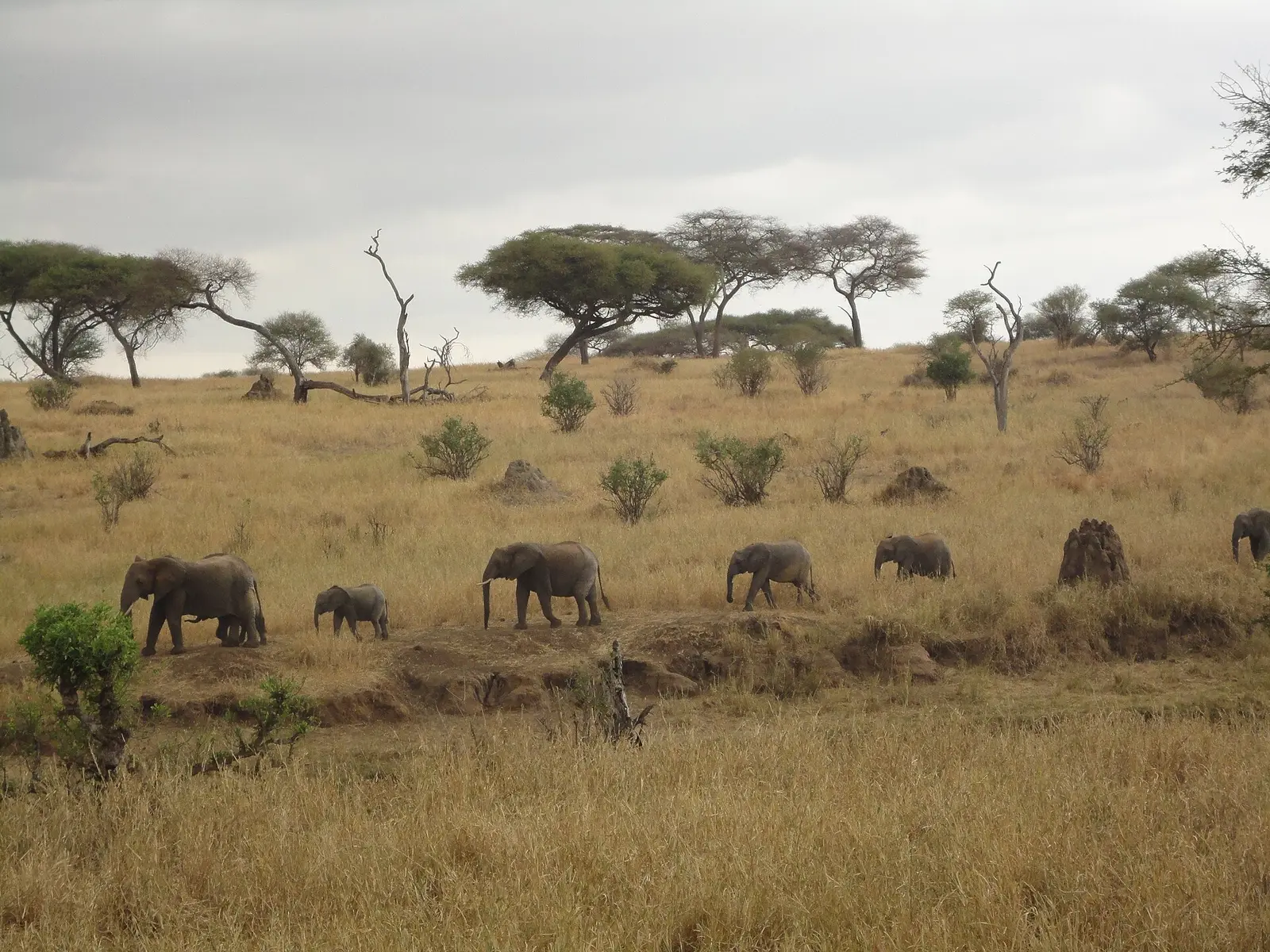 Gorillas + Big Five
5-Day Gorillas & Big Five Safari
Two days in Akagera for lions, elephants and rhinos, then the gorilla trek.
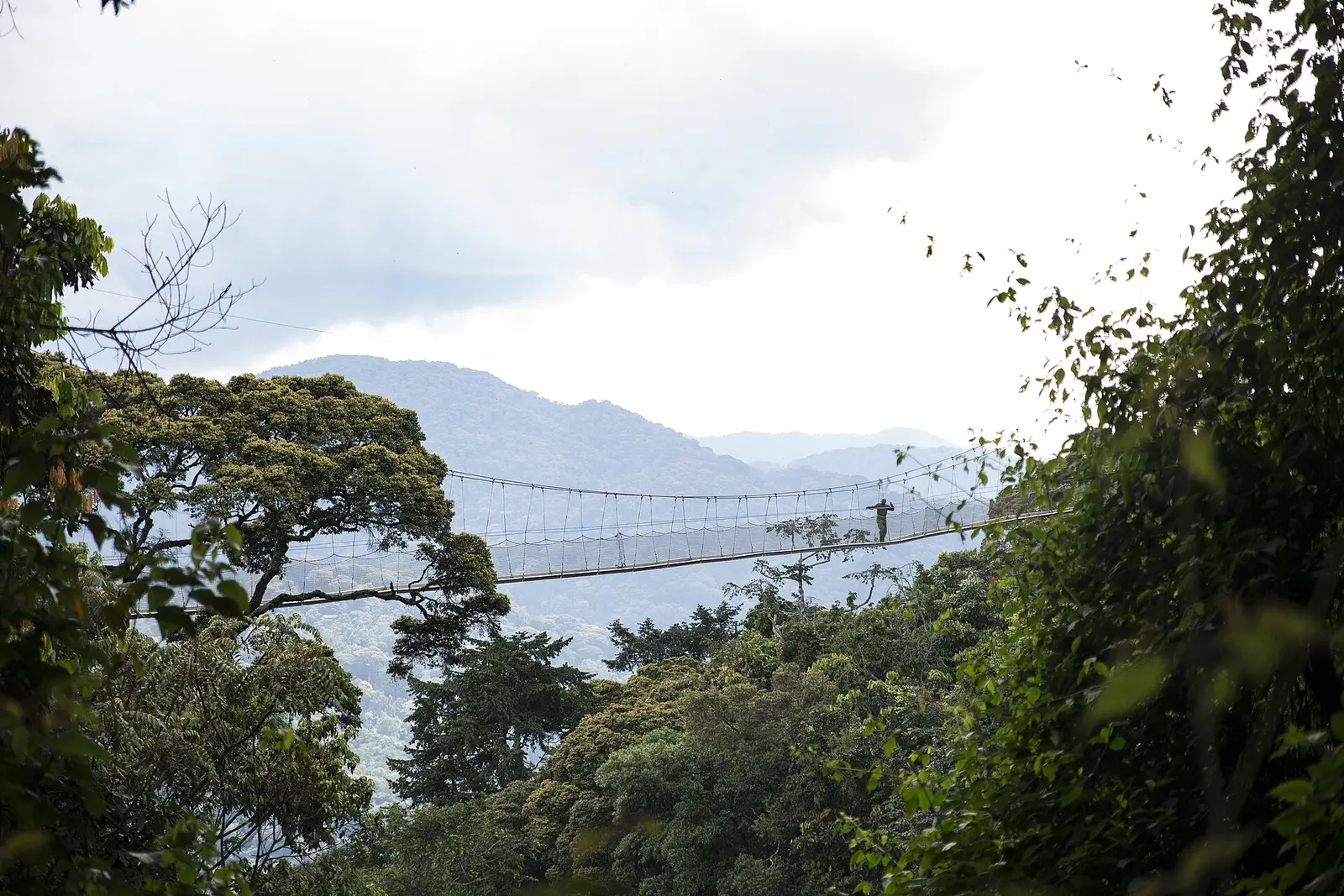 Primate safari
5-Day Gorillas & Chimpanzees (Nyungwe)
Chimp tracking and the canopy walk in Nyungwe, then mountain gorillas.
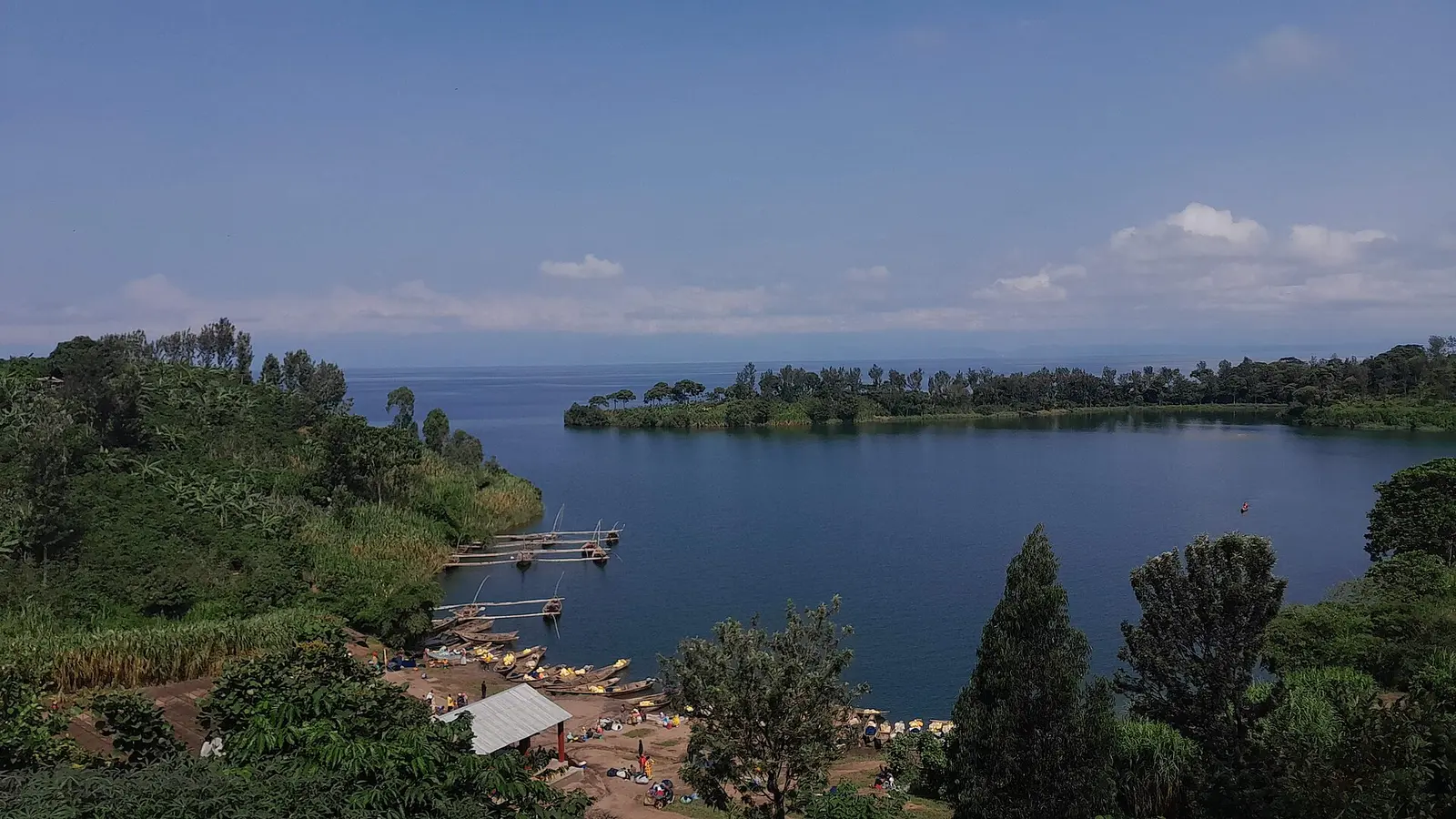 Safari + beach
7-Day Gorillas, Big Five & Lake Kivu
Akagera game drives, the gorilla trek and two days on Lake Kivu.
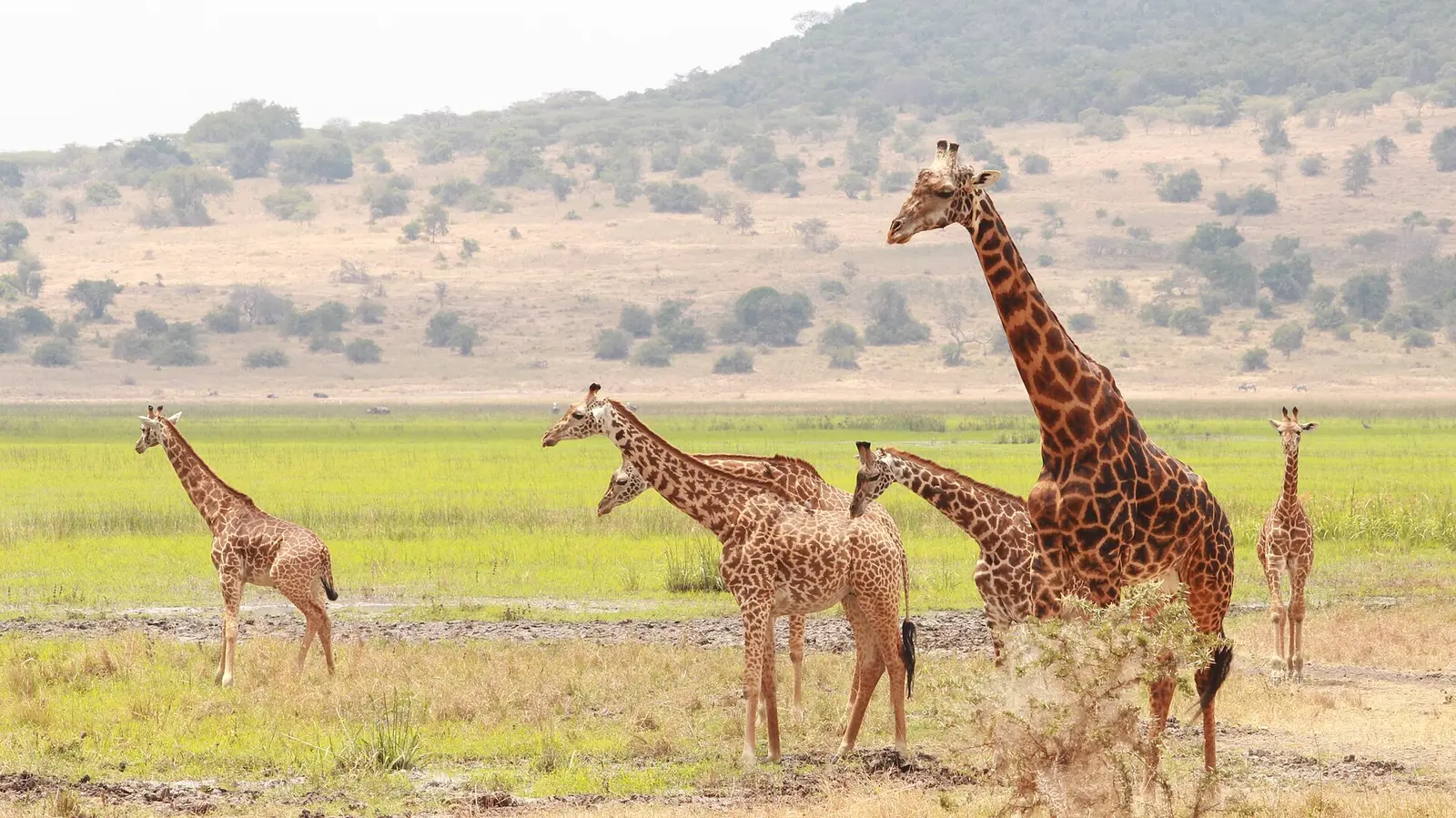 Everything Rwanda
10-Day Complete Rwanda Safari
Gorillas, Big Five, chimps, Lake Kivu, Kigali and Rwandan culture.
Private day trip from Kigali
Gorilla trekking cost
How much is gorilla trekking in Rwanda?
The single biggest cost of a gorilla trek is the permit, and it isn't negotiable: $1,500 per person per trek, set by the government, the same for every operator and every traveller. That money funds the rangers, trackers and vets who keep the gorillas alive, and a share goes to the communities living around the park.
What varies between companies is the service around the permit — transport, guiding, food and accommodation. Many operators quote a single bundled figure, which makes comparison hard. We show you the split. On our standard private day trip that is the permit plus a $500 service fee, $2,000 in total. The cheapest way to do it is our budget gorilla trek at $1,900.
Add-ons you might budget for: a porter (a modest fee, typically around $10–20, and worth it), tips for your ranger and trackers, and lodge nights if you stay near the park. Our full gorilla trekking cost breakdown goes through every line — or get your exact total in ten seconds with the gorilla trekking cost calculator.
Trek day
How a trekking day unfolds
Times are for a day trip from Kigali. If you sleep near the park, your morning starts around 6:15 instead.
Pickup in Kigali
Your driver-guide collects you from your hotel. Breakfast is packed; you can sleep in the car.
Kinigi briefing
Coffee, traditional dancers, the rules, and your assignment to a gorilla family.
Into the forest
Drive to the trailhead, meet your porter, and follow the ranger past the park wall.
Your hour
Sixty minutes with the family: silverback, mothers, infants, all within metres.
Certificate & home
Lunch, your trekking certificate, and the drive back to Kigali by evening.
Why book with us
Why book with a Kigali team
Rwanda Gorilla Permits is the gorilla-trekking arm of Rwanda Safari Tours, a licensed Rwandan operator running trips since 2014.
Transparent pricing
The permit, our fee and what's included are written on every page. No "contact us for a price" games.
Permits secured first
We confirm your permit with RDB before we take your trip booking, so you never pay for a trek without a gorilla date.
Private 4x4, real driver-guides
4x4 Land Cruisers and driver-guides who've made the Kigali–Kinigi drive hundreds of times.
4:30 AM pickup, on time
Being late to the 7 AM briefing can cost you your family assignment. We leave margin, every time.
Matched to your fitness
We tell the rangers about knees, age and stamina in advance, so your group gets a family that suits you.
Humans on WhatsApp
Message +250 796 077 321 and you get a person in Kigali, usually within the hour.
The complete guide
Where it happens: Volcanoes National Park
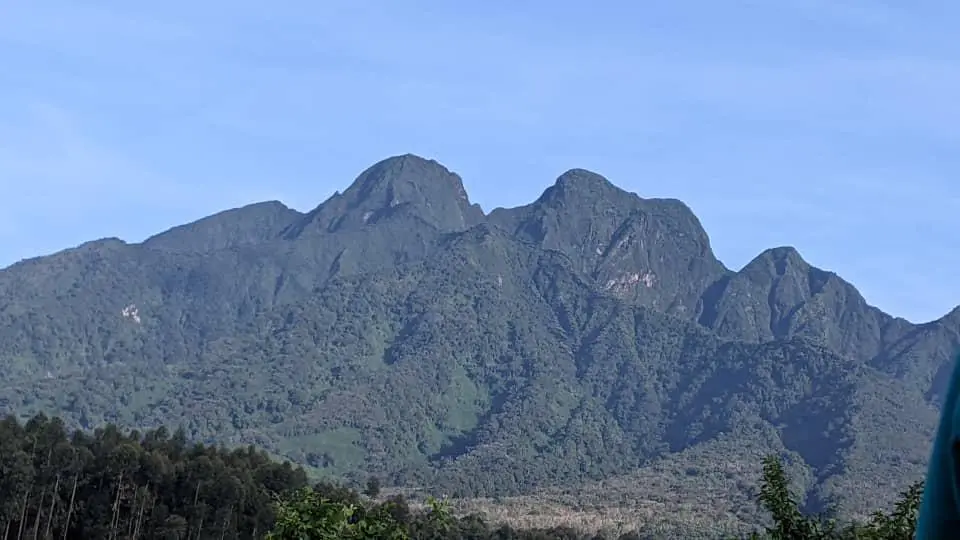
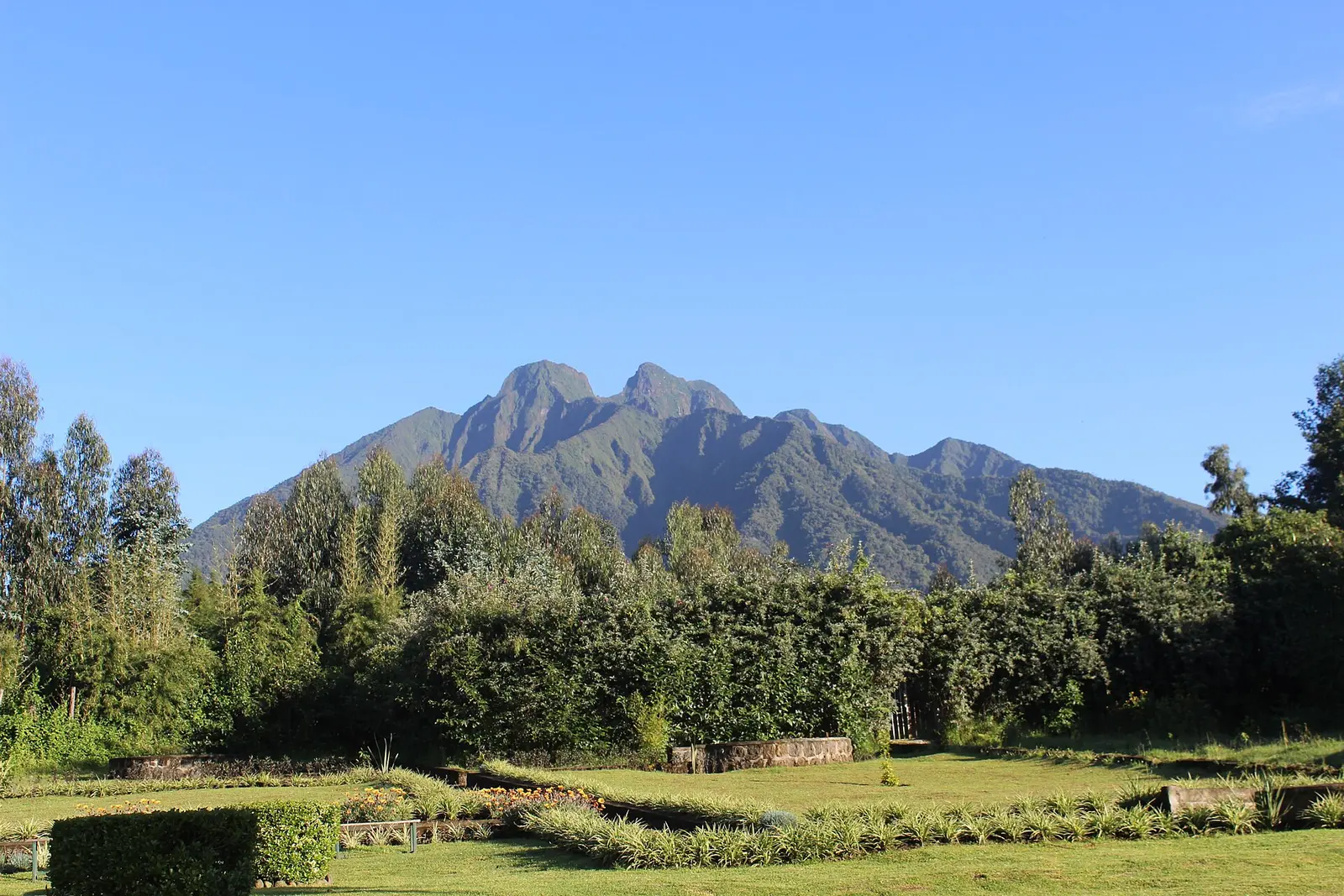
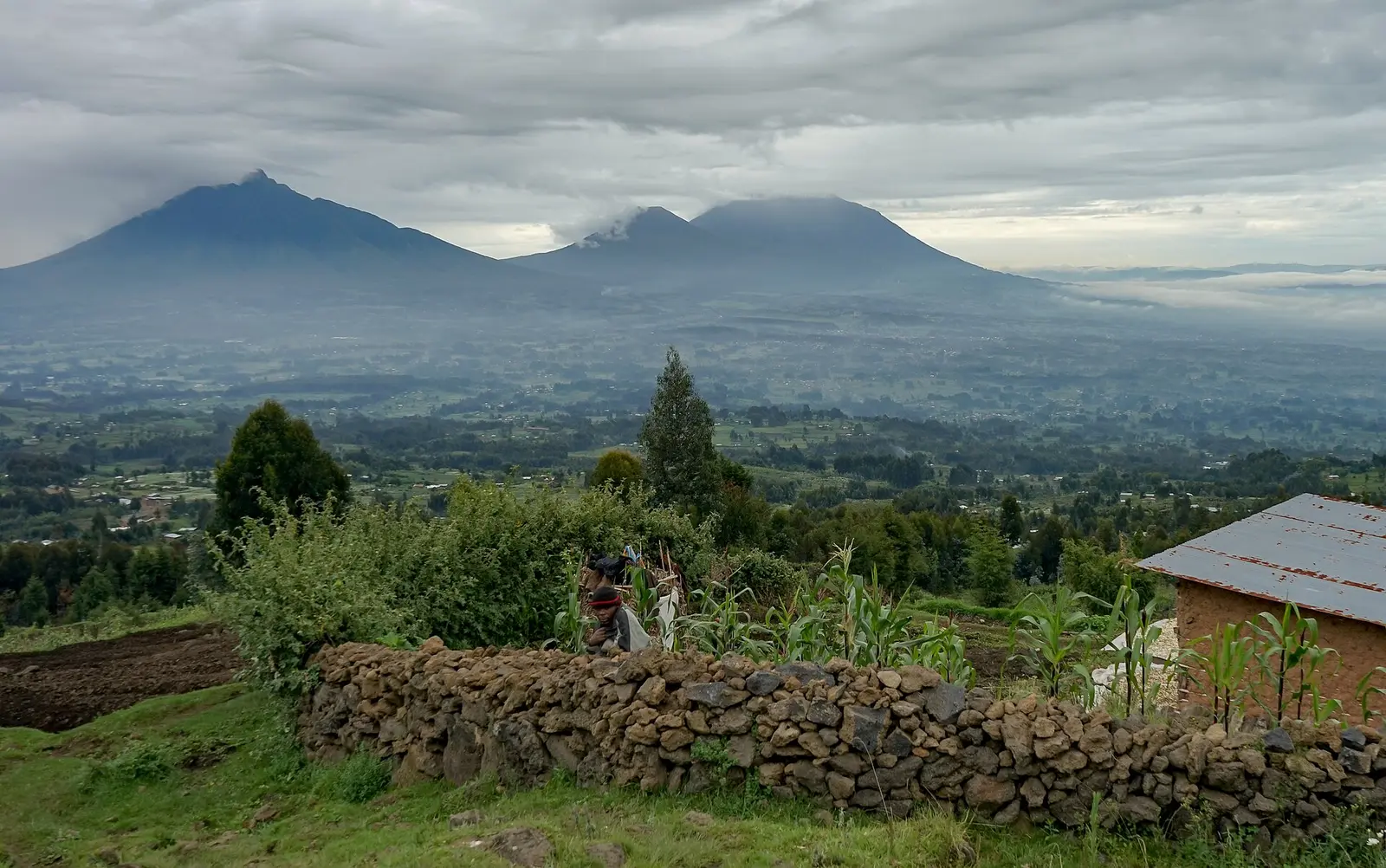
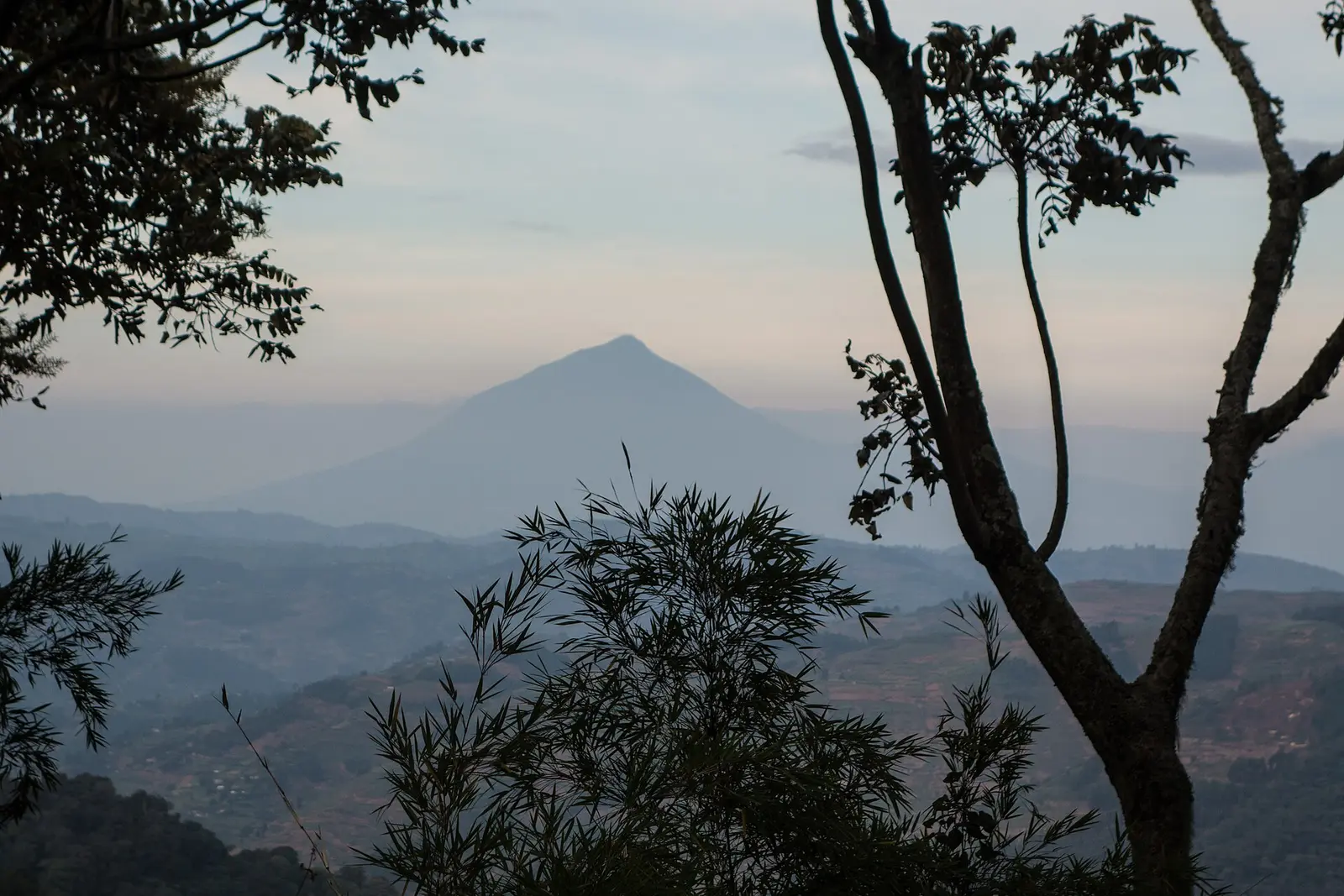
All gorilla trekking in Rwanda takes place in Volcanoes National Park (Parc National des Volcans) in the far north-west, on the borders with Uganda and the DRC. The park protects the Rwandan slopes of five of the eight Virunga volcanoes — Karisimbi (4,507 m, Rwanda's highest point), Bisoke, Sabyinyo, Gahinga and Muhabura — in a band of montane forest, bamboo, and higher up, giant lobelia and heather. It was first protected in 1925 as part of Albert National Park, the first national park created in Africa.
The park headquarters and gorilla briefing area are at Kinigi, about 12 km from the town of Musanze and roughly 105 km — around two and a half hours by good tarmac road — from Kigali. That short transfer is Rwanda's great advantage: you can land in the morning, sleep near the park, and trek the next day, or do the whole thing as a gorilla trekking day trip from Kigali. See Kigali to Volcanoes National Park for the route.
Rwanda's 12 gorilla families
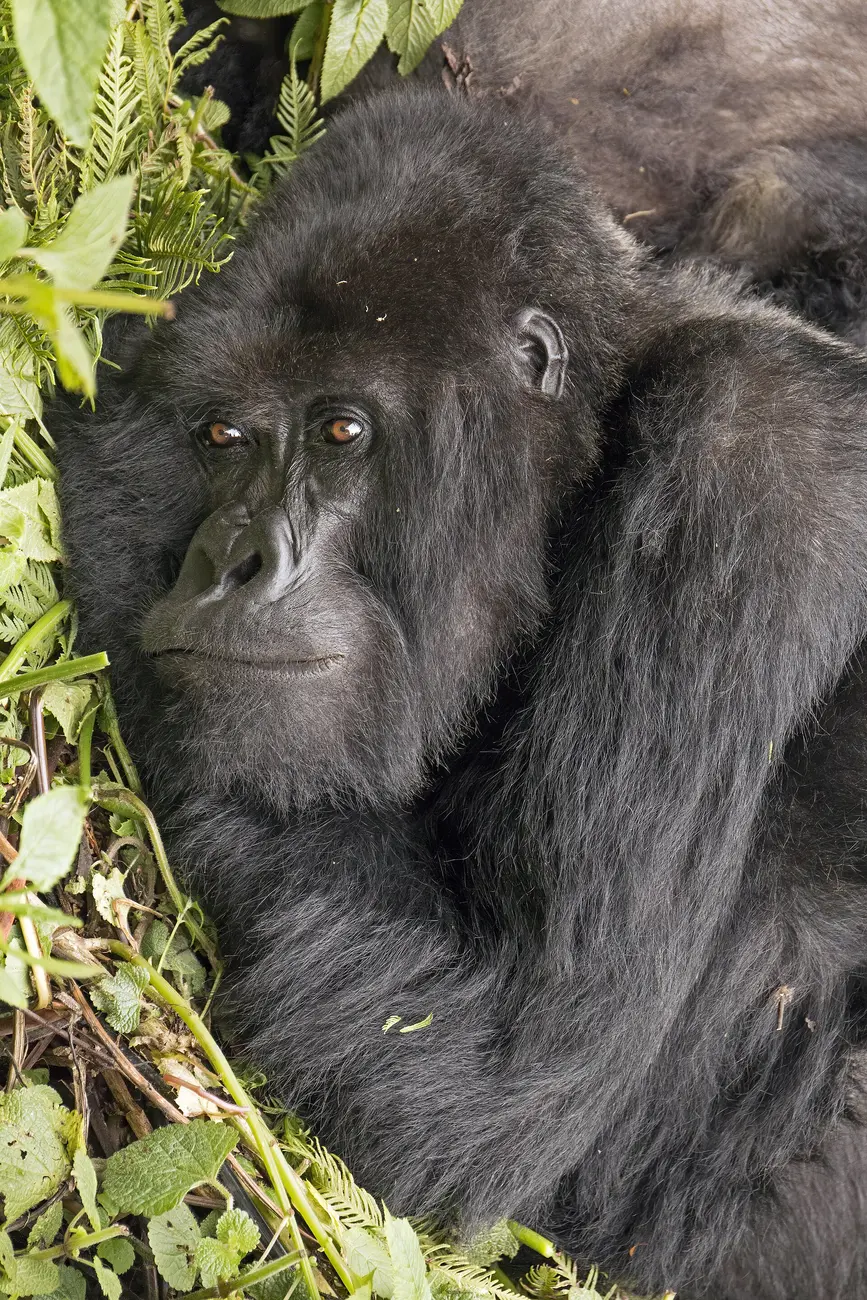
Of the gorillas living in Volcanoes National Park, 12 groups are habituated for tourism. Habituation is a slow process — typically two years or more — of researchers and trackers spending time near a wild family every day until the gorillas accept calm human presence as normal. It does not tame them; they remain fully wild, find their own food and range freely. It simply means a group of quiet people nearby is no longer a threat.
Each family is visited by a maximum of 8 people a day, for one hour, which is where the national total of 96 permits comes from. Families differ a lot. Sabyinyo and Agashya often range lower and closer to the park edge, making for shorter treks; Susa and Karisimbi live high on the slopes of Mount Karisimbi and can involve long, steep walks. Our guide to Rwanda's gorilla families covers each group's history, size and typical trek.
You can't book a specific family in advance — assignment happens at the morning briefing — but you can influence it. We tell the park team the day before if someone in your group needs an easier walk or, the opposite, is hoping for a long, challenging trek.
The best time to go
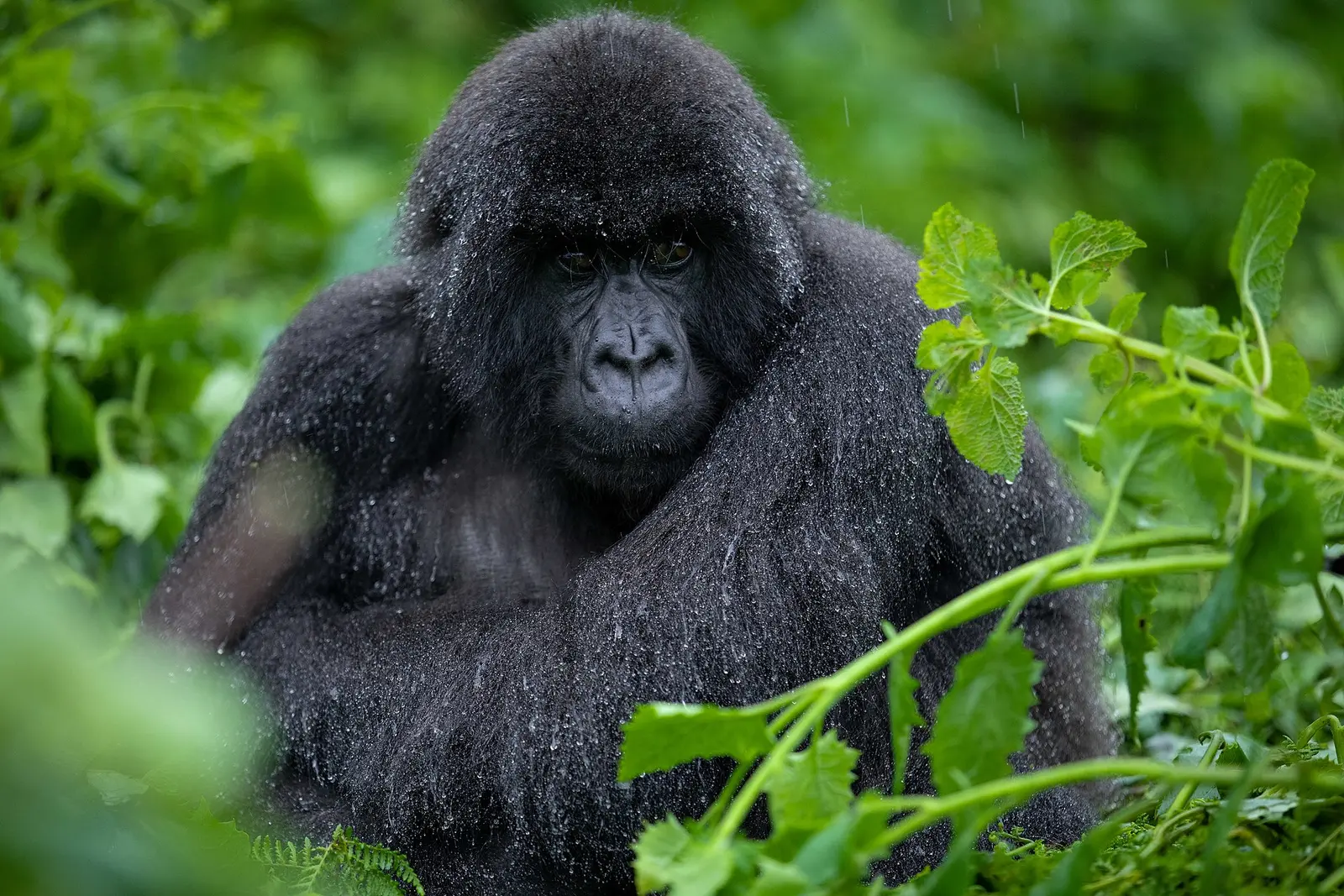
Gorillas don't migrate, and trekking runs every day of the year. The question is weather and permit pressure. Rwanda has two dry seasons — June to mid-September and mid-December to February — when trails are firmer and most visitors come. The long rains (March to May) and short rains (October to November) bring muddier slopes and the occasional downpour, but also fewer people, easier permit availability and lusher forest.
| Months | Season | Trails | Book permits |
|---|---|---|---|
| June – mid-Sept | Long dry season | Driest | 4–6 months ahead |
| Late Sept – Nov | Short rains | Muddy | 1–2 months ahead |
| Mid-Dec – Feb | Short dry season | Mostly dry | 3–6 months ahead |
| March – May | Long rains | Wettest | 4–8 weeks ahead |
At this altitude it can rain in any month, so pack a rain jacket regardless. See our month-by-month guide for detail.
How fit do you need to be?
You need to be fit enough to walk for a few hours over uneven, sometimes steep and muddy ground at 2,500–3,000 metres. That's it. You do not need to be an athlete, and plenty of travellers in their sixties and seventies trek every week. The real variable is distance: on one day the family is 40 minutes from the trailhead, on another it is three hours away. A walking stick, a porter and a steady pace make an enormous difference. Read our honest fitness and difficulty guide and the gorilla trekking packing list before you go.
The rules, and why they exist
Mountain gorillas share about 98% of our DNA, which means they catch our illnesses, and a common cold can be deadly to an animal with no immunity to it. Most rules come from that:
- Keep at least 7 metres from the gorillas
- Minimum age 15 on the day of the trek
- Don't trek if you have a cold, flu or fever
- Maximum one hour with the family, groups of up to 8
- No flash photography, no eating near the gorillas, keep voices low
- Wear a face mask if your ranger asks you to
Our gorilla trekking rules and etiquette guide explains each one, including what to do if a silverback charges.
Rwanda or Uganda?
Uganda's gorilla permit is cheaper at $800, and Bwindi is home to roughly half the world's mountain gorillas. But reaching Bwindi from Entebbe takes the best part of a day by road, the forest is steeper and denser, and most itineraries need at least three days. Rwanda's $1,500 permit buys you a far shorter transfer, generally easier terrain, and the ability to fit gorillas into even a short trip. If time is your constraint, Rwanda wins; if budget is, Uganda deserves a look.
| Rwanda | Uganda | |
|---|---|---|
| Permit | $1,500 | $800 |
| From the airport | ~2.5 hours (Kigali) | ~8–10 hours (Entebbe) |
| Day trip possible | Yes | Not practical |
| Terrain | Volcano slopes, bamboo | Steep, dense rainforest |
We compare them properly in Rwanda vs Uganda gorilla trekking.
How to book gorilla trekking in Rwanda
- Send your dates. Tell us your preferred trek date(s), number of travellers, nationality and where you'll be staying. A WhatsApp message is fine.
- We check RDB availability the same day and send a written quote with the permit and service fee shown separately.
- Secure the permit. Permits are paid in full to RDB to be reserved, so we take the permit amount first and issue your permit confirmation in your passport name.
- Final details. We confirm your pickup point, share a packing list and tell the park team about any fitness or mobility needs.
- Trek. Your driver-guide meets you at 4:30 AM and takes care of the rest.
The step-by-step version, including what documents RDB needs and how cancellations work, is in how to book a gorilla permit.
How many days do you need?
One day is enough to see the gorillas: our day trip from Kigali leaves at 4:30 AM and is back the same evening. Two days lets you sleep near the park and see Kigali properly (2-day gorilla safari). Three days adds golden monkey trekking and time to rest (3-day gorillas and golden monkeys). If you can afford it, trekking twice with two different families — as on our luxury gorilla safari — is the best way to guarantee the encounter you've imagined.
With five days or more, combine the gorillas with the rest of Rwanda: the Big Five in Akagera (5-day gorillas & Big Five), chimpanzees in Nyungwe (5-day gorillas & chimps), Lake Kivu (7-day gorillas, Big Five & Kivu), or all of it in our 10-day complete Rwanda safari.
Where your gorilla permit money goes
Rwanda's high-value, low-volume model is a big part of why mountain gorilla numbers have grown. Permit revenue pays for ranger patrols that remove snares, daily monitoring of every habituated family, and field veterinary care. A share of park revenue is invested in schools, clinics and water projects in the communities around the park, and porters' cooperatives give local families a direct income from keeping the gorillas alive. In 2018, the IUCN moved mountain gorillas from Critically Endangered to Endangered. Read more in mountain gorilla facts.
Beyond the gorillas
Volcanoes National Park has more to offer than one famous hour. Golden monkey trekking ($100 permit) is a lively, easier trek in the bamboo zone. The Dian Fossey tomb hike climbs to the ruins of the Karisoke Research Center, where the primatologist who made the mountain gorillas famous is buried among the gorillas she studied. Fit hikers can summit Bisoke to its crater lake or spend two days climbing Karisimbi. And every year, usually around September, Rwanda names its newborn gorillas at Kwita Izina in Kinigi. For somewhere to sleep, see where to stay near Volcanoes National Park.

Plan your trek
Planning guides
Written by our team in Kigali and kept current with RDB rules and prices.
 Gorilla Trekking Cost CalculatorInstant estimate of your full trip cost — then send it as a WhatsApp quote.
 Rwanda Gorilla Permits 2026What the $1,500 permit covers, who sells it, and how availability really works.
 Rwanda Gorilla ItinerariesDay-by-day plans from 1 to 10 days.
 Rwanda's Gorilla FamiliesThe 12 habituated groups, their silverbacks and how hard each trek is.
 Best Time for Gorilla TrekkingMonth by month: weather, crowds and permit pressure.
 25 Gorilla Trekking TipsPractical advice from guides who trek every week.
How Hard Is Gorilla Trekking?Honest fitness guidance, altitude, and how families are assigned.
 Where to Stay Near the ParkLodges around Kinigi and Musanze, from guesthouse to One&Only.
Questions
Frequently asked questions
How much does gorilla trekking in Rwanda cost in 2026?
The Rwanda Development Board (RDB) gorilla permit is $1,500 per person and is the same no matter who books it. With transport, guide and meals our private gorilla trekking day trip from Kigali comes to $2,000 per person all-in, the shared-vehicle budget trek is $1,900, and multi-day tours run from $3,348 (3 days) to $13,850 for two nights at One&Only Gorilla's Nest with two treks.
Where does gorilla trekking take place?
In Volcanoes National Park, in the north-west of the country. Treks start with a 7:00 AM briefing at the park headquarters in Kinigi, about 2.5 hours by road from Kigali.
How long do you spend with the gorillas?
Exactly one hour once your group reaches the gorilla family. The hike to find them takes anywhere from about 30 minutes to four hours or more each way, depending on which family you are assigned and where they slept the night before.
How far in advance should I book a gorilla permit?
For June–September and December–February, book three to six months ahead — there are only 96 gorilla permits per day in the whole of Rwanda. In the rainy months (March–May, October–November) four to eight weeks is often enough, but popular dates still sell out.
Can I do gorilla trekking as a day trip from Kigali?
Yes. Volcanoes National Park is about 2.5 hours by road from Kigali. We pick you up at 4:30 AM, you are at the 7:00 AM briefing at Kinigi, and you are usually back in Kigali by early evening.
What is the minimum age for gorilla trekking?
Fifteen. RDB does not issue gorilla permits to anyone under 15 on the day of the trek. There is no upper age limit — people in their seventies and eighties trek every year, usually with an easier family and a porter.
Is gorilla trekking safe?
Yes. Every group goes with an RDB ranger guide and trackers who know the family personally, plus an armed escort. The gorillas are habituated to calm human presence, and incidents involving tourists are extremely rare when the rules are followed. Rwanda is also one of the safest countries in Africa to travel in.
What is the best month to trek gorillas?
June, July, August and early September are the driest and most popular, followed by December to February. Trekking runs all year, though — the gorillas are there every day, and the wetter months are quieter and easier to get permits for.
Is it worth the money?
Almost everyone who does it says yes. The $1,500 permit funds rangers, vets and community projects that have helped mountain gorilla numbers grow, and the hour with a wild gorilla family is one of the most memorable wildlife encounters on Earth.
Is Rwanda or Uganda better for gorilla trekking?
Rwanda costs more ($1,500 vs $800 in Uganda) but is far easier to reach — 2.5 hours from Kigali airport instead of a full day's drive or a domestic flight — and the treks are generally shorter and less steep. Uganda suits tighter budgets and longer trips.
Ready to stand seven metres from a mountain gorilla?
Tell us your dates and group size. We check live RDB permit availability and reply with a clear quote — permit, transport and everything else, no hidden extras.