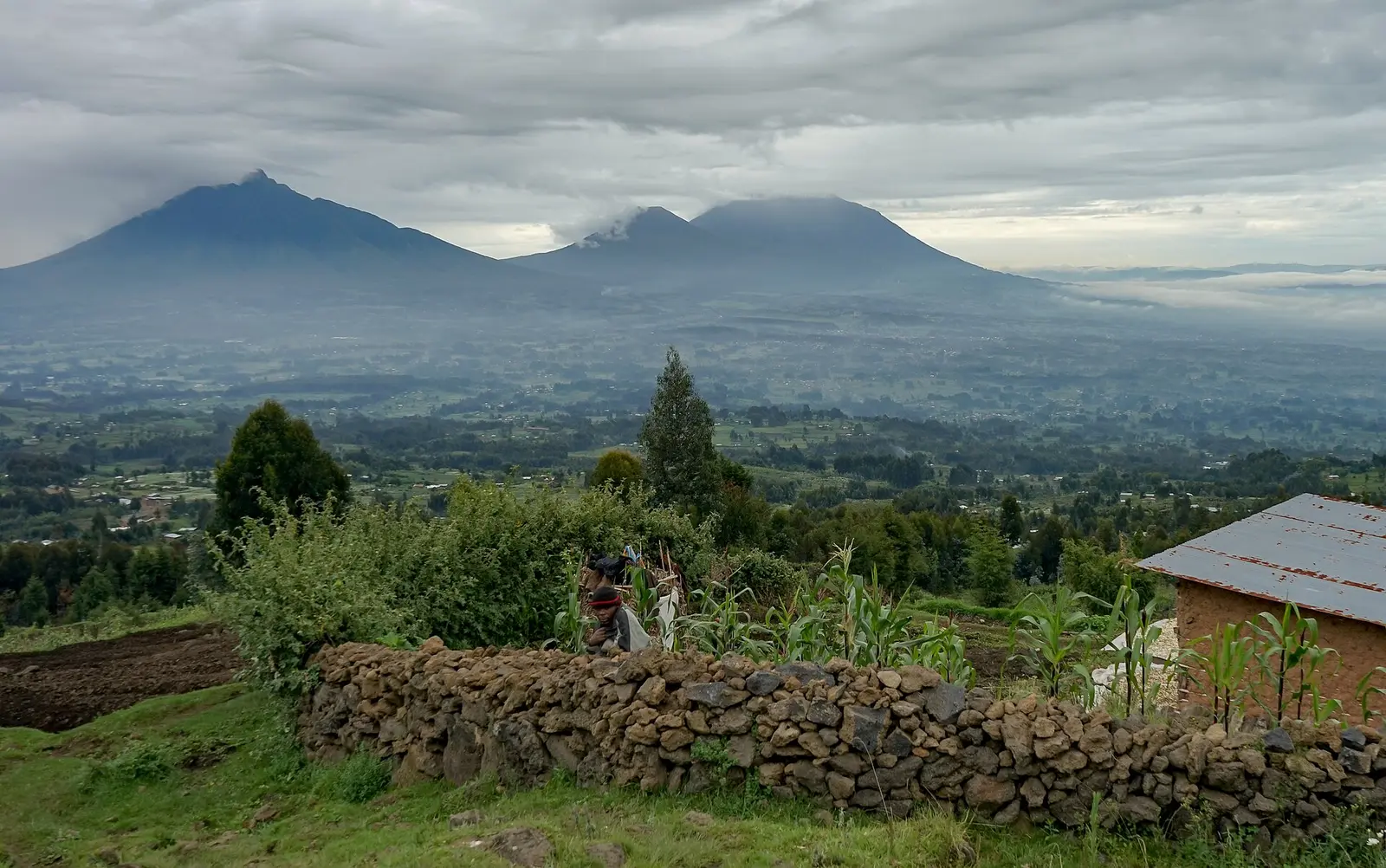
Gorilla trekking in Rwanda is a hike, not a climb. You don't need to be an athlete — people in their seventies trek every week — but you do need to be able to walk for a few hours over rough, steep, often muddy ground at altitude. The single biggest variable is something nobody can predict in advance: where the gorillas decided to spend the night.
What makes it challenging
Altitude
Kinigi sits at around 2,400 metres, and treks usually take place between about 2,500 and 3,000 metres or more. At this height you'll breathe harder than at home. Serious altitude sickness is uncommon at these elevations, but walking slowly and drinking water makes a real difference.
Terrain
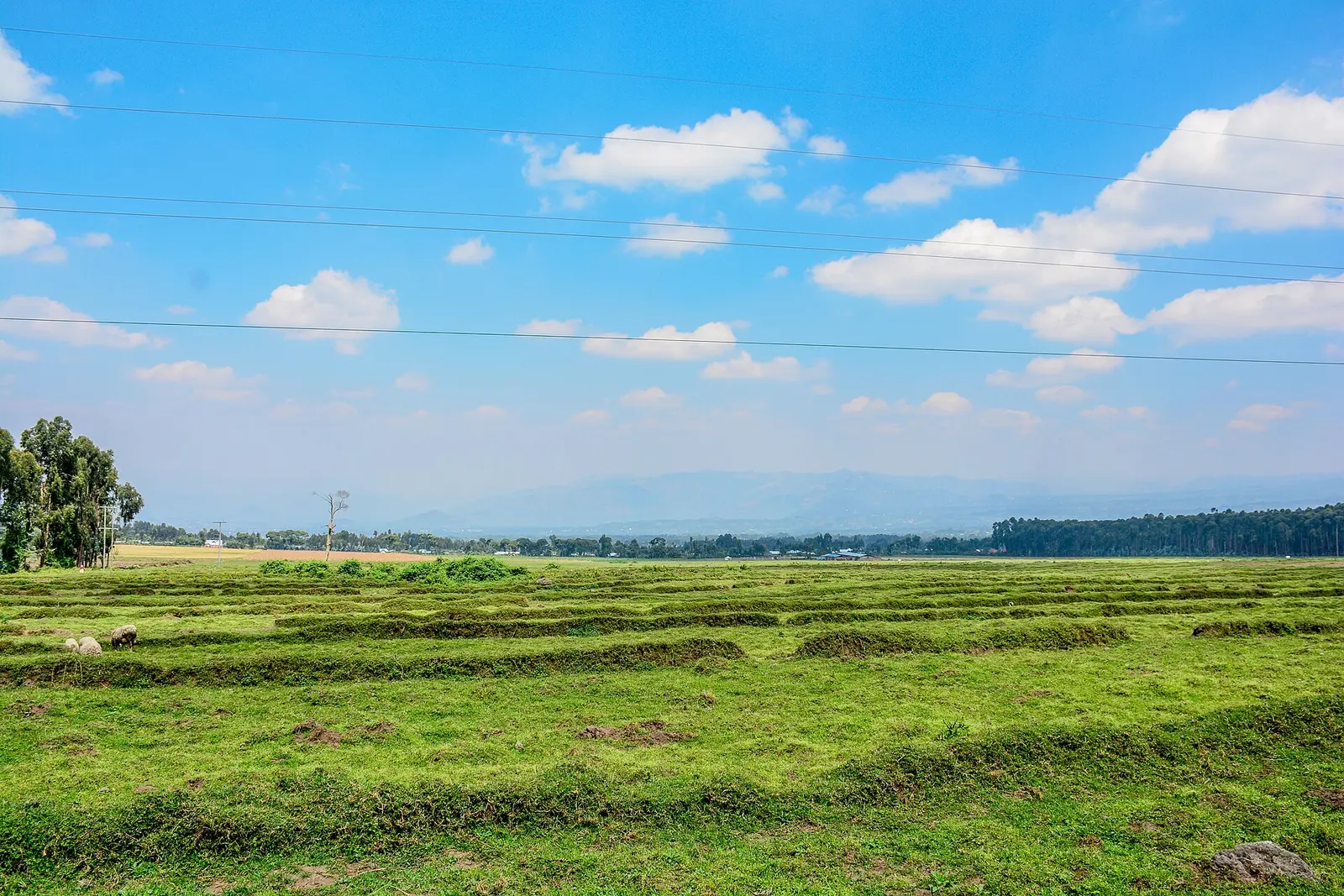
Farm tracks lead to the park wall; after that there's often no trail. You'll push through bamboo and nettles, step over roots, climb muddy slopes and sometimes slide down them. Rangers may cut a path with machetes.
Duration
The walk to the family can take anywhere from 30 minutes to four hours or more, then you spend an hour with the gorillas and walk out again. Total time on foot ranges from about two hours to a full day.
Weather
Rain turns slopes into slides — see best time to go.
Difficulty by family
| Typical difficulty | Families often in this range |
|---|---|
| Easier | Sabyinyo, Agashya, Hirwa (when ranging low) |
| Moderate | Amahoro, Umubano, Kwitonda, Bwenge |
| Demanding | Susa, Karisimbi, sometimes Ugyenda |
This is a guide, not a promise: gorillas move every day. See Rwanda's gorilla families for more.
How to make it easier
- Tell us about your fitness when you book. We pass it to the park team so your group is assigned an appropriate family.
- Hire a porter. They carry your bag, pull you up, steady you down. Easily the best value on the day.
- Take the walking stick. Or bring trekking poles.
- Walk slowly. Your ranger sets the pace; you can ask for more breaks.
- Wear proper boots. Broken-in, waterproof, with good grip.
- Sleep near the park. A night at a lodge instead of a 4:30 AM start from Kigali means you start fresh.
A simple training plan
Start four to eight weeks before your trip:
- Walk often: 30–60 minutes, four or five times a week.
- Add hills or stairs: twice a week, to build the climbing muscles.
- Do a long hike: once a fortnight, 3–4 hours with a daypack, ideally on uneven ground.
- Strengthen your legs: squats, lunges and step-ups protect your knees on the descents.
- Wear in your boots on all of the above.
Older trekkers and limited mobility
There's no upper age limit. Older trekkers usually do well, especially with a porter and an easier family. For travellers who can't manage the walk at all, it's sometimes possible to arrange porters to carry a trekker on a chair-style stretcher — it must be arranged in advance and costs extra. Read more in seniors and families.
Fitness questions
How hard is gorilla trekking in Rwanda?
Moderate for most people. You walk on uneven, sometimes steep and muddy ground at 2,500–3,000 m, for anywhere from 30 minutes to four hours or more each way. Most reasonably active adults manage well with a walking stick, a porter and a steady pace.
Do I need to train for gorilla trekking?
It helps. Several weeks of regular walking — ideally including hills or stairs and a few longer hikes with a daypack — will make the day far more enjoyable.
Will altitude affect me?
Most visitors notice they get out of breath faster, but serious altitude sickness at these heights is uncommon. Walk slowly, drink water and tell your guide if you feel unwell.
Can I trek gorillas with bad knees?
Often yes. Tell us in advance so we can request a family that is usually closer. Use trekking poles, wear a knee support if you use one, and hire a porter to steady you on descents.
What if I can't make it to the gorillas?
Rangers will turn back with anyone who can't continue, with a ranger escort. Porters help a great deal, and for those with limited mobility a carried chair can sometimes be arranged in advance.