Can't find your question? Message us on WhatsApp — a real person in Kigali will answer, usually within the hour.
Permits & cost
How much is a gorilla permit in Rwanda?
The RDB gorilla trekking permit is $1,500 per person, per trek, for international visitors.
What is the total cost of a gorilla trek?
Our one-day treks from Kigali cost $1,900 (shared vehicle) or $2,000 (private), permit included. Multi-day trips start at $3,348. See the full cost breakdown.
Why does the permit cost so much?
Rwanda deliberately limits visitor numbers and uses permit revenue to fund protection and community projects. The approach has helped gorilla numbers grow.
Is the permit price the same everywhere?
Yes. It is a government fee. Anyone offering it "cheaper" is misquoting or not selling a real Rwanda permit.
How many permits are available each day?
96: 12 families × 8 people.
How far ahead should I book?
3–6 months for June–September and December–February; 4–8 weeks often suffices in the rainy months.
Are permits refundable?
Generally not once issued. Date changes may sometimes be possible subject to RDB. Get travel insurance with cancellation cover.
How do I pay?
By card payment link or bank transfer. The permit is paid in full to secure it; multi-day trips take a deposit for the rest.
Do I get a receipt and permit confirmation?
Yes, written receipts for every payment and a permit confirmation in each trekker's name.
Can I book a permit last minute?
Sometimes, especially outside peak season. Message us and we'll check immediately.
The trek
How long does gorilla trekking take?
About two to seven hours in total, including exactly one hour with the gorillas.
How hard is it?
Moderate for most people: uneven, sometimes steep and muddy terrain at 2,500–3,000 m. See fitness and difficulty.
Will I definitely see gorillas?
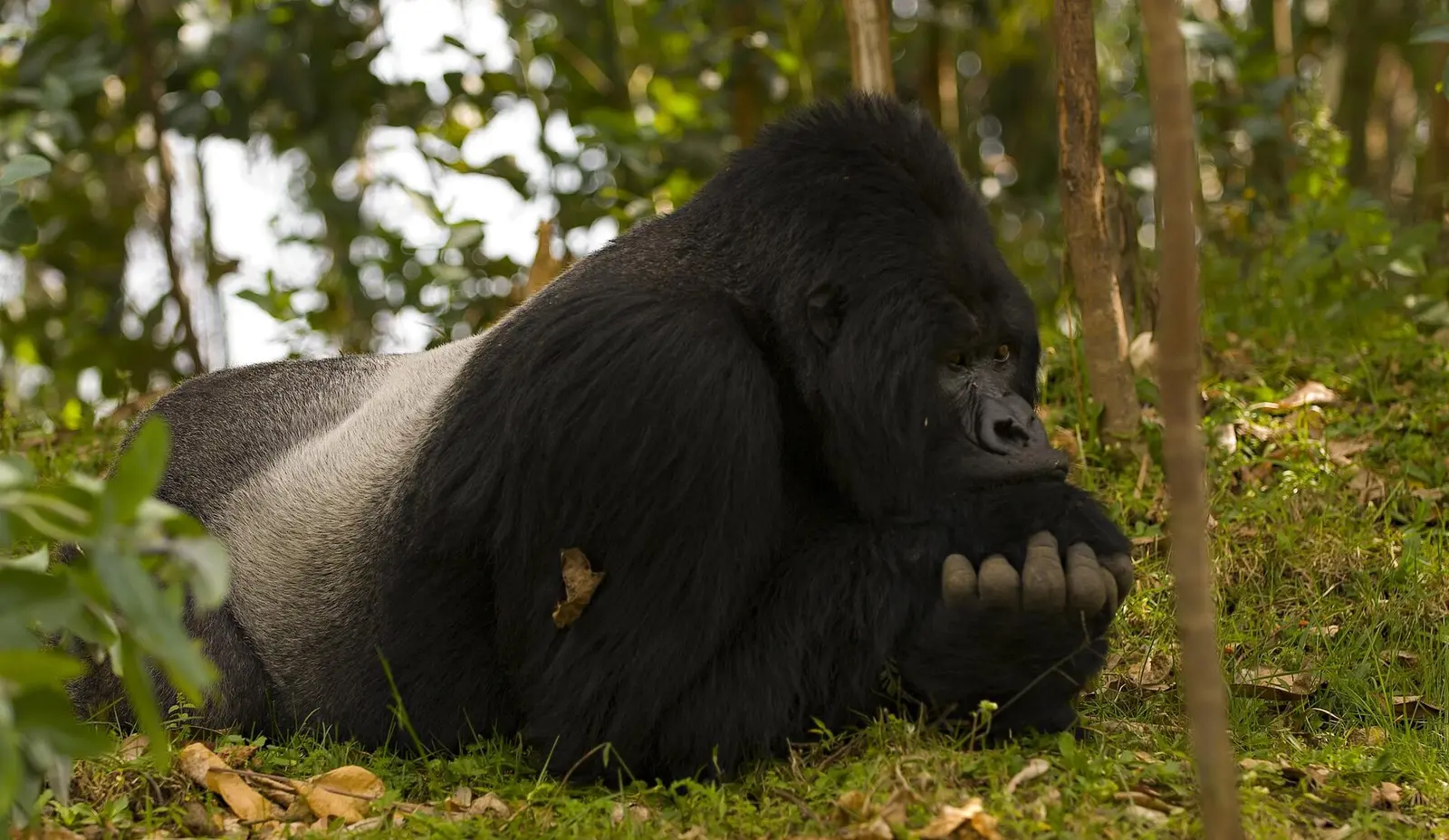
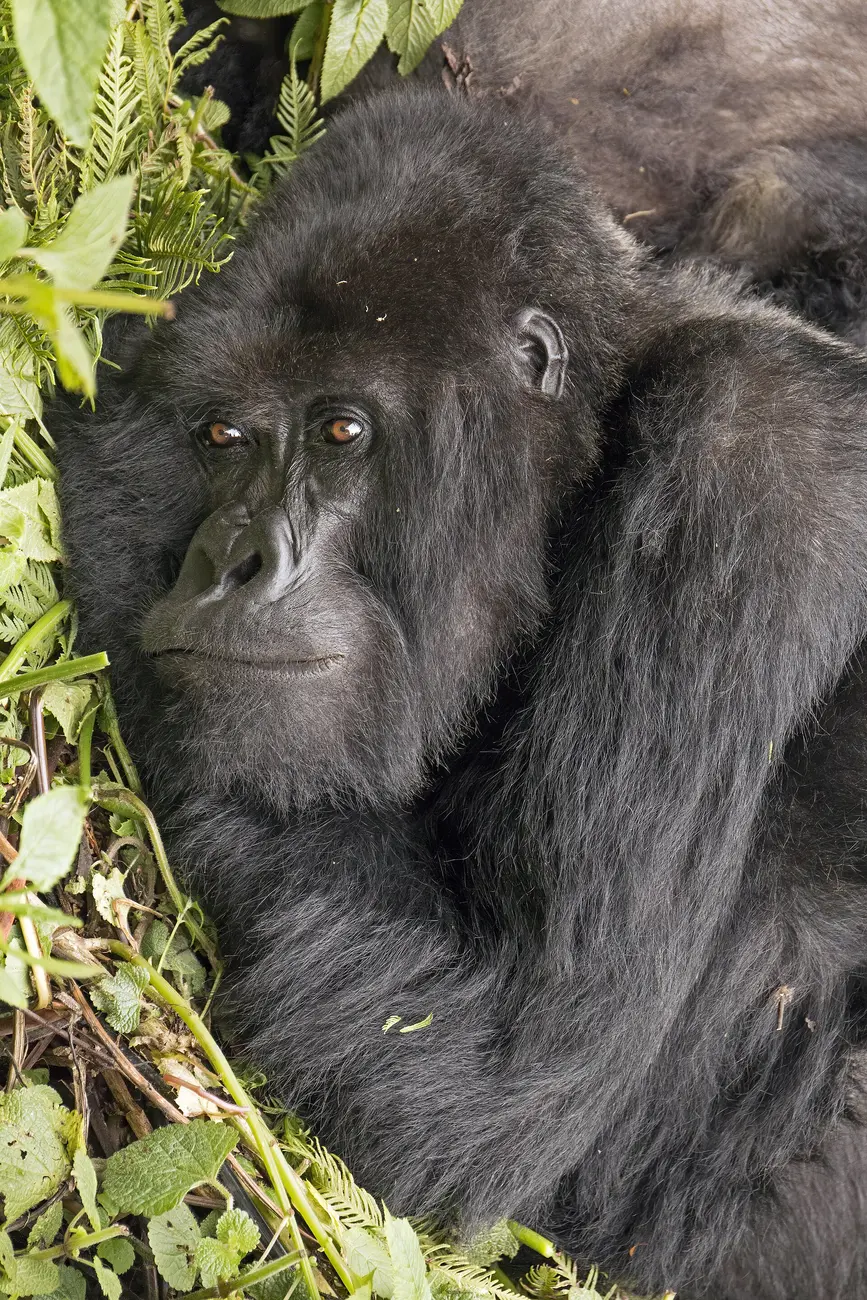
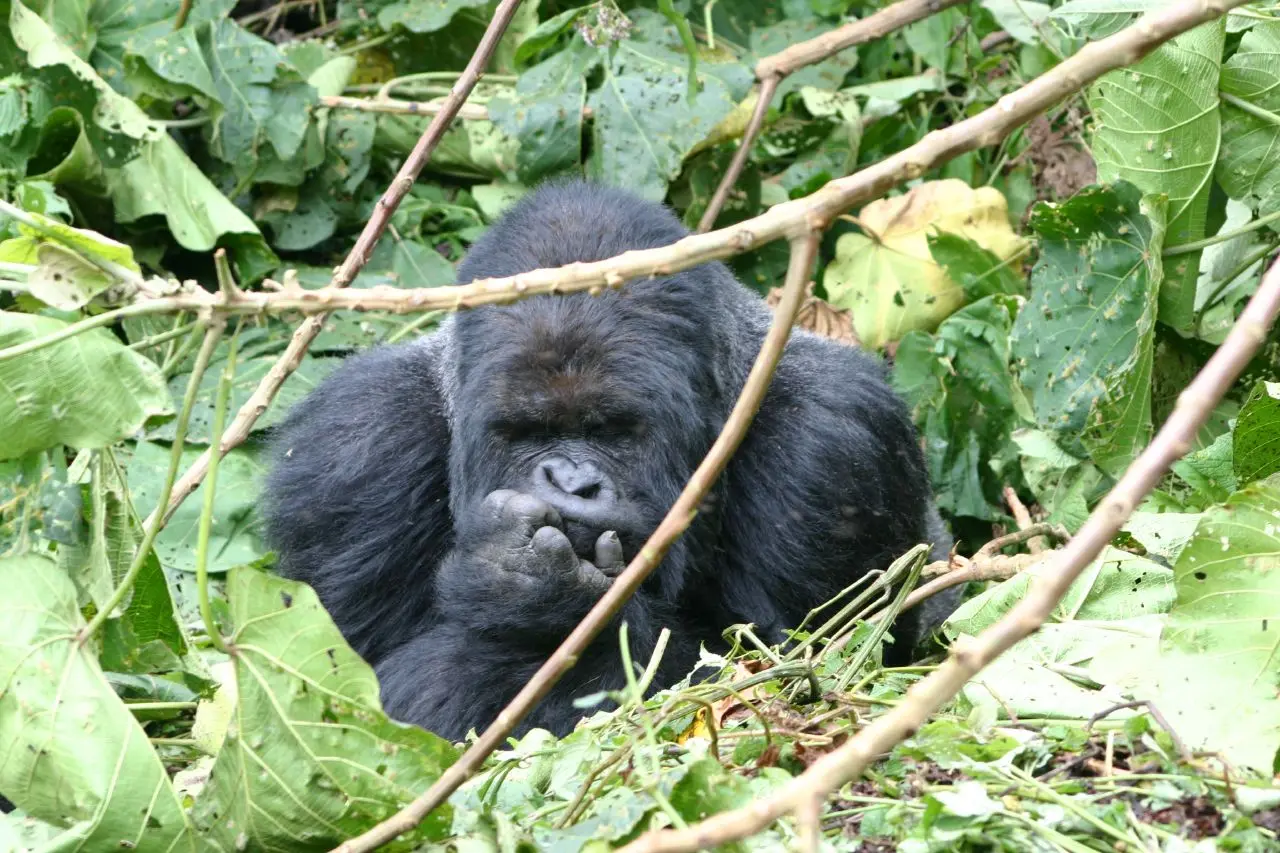
Almost certainly. Trackers locate each family before you arrive and guide you to them.
How close will I be?
The rule is 7 metres, though gorillas sometimes approach visitors themselves.
Can I choose my gorilla family?
No; rangers assign families at the briefing. You can request an easier or harder trek.
What time does the trek start?
The briefing is at 7:00 AM at Kinigi. On a day trip from Kigali we pick you up at 4:30 AM.
Are porters available?
Yes, at every trailhead, for a modest fee. We recommend hiring one.
What happens if it rains?
Treks go ahead in rain. Bring a waterproof jacket and cover for your bag.
Is it safe?
Yes. Groups go with an RDB ranger guide, trackers and armed escort. Incidents with tourists are extremely rare when rules are followed.
Do I get a certificate?
Yes, a gorilla trekking certificate is usually presented after the trek.
Rules & health
What is the minimum age?
Fifteen on the day of the trek.
Is there a maximum age?
No. Older trekkers are common.
Can I trek with a cold?
You shouldn't — gorillas are vulnerable to human infections. Rangers can refuse sick trekkers.
Can I use flash?
No. Flash photography is forbidden.
Will I need a mask?
Possibly — rangers may require masks near the gorillas. Carry one.
Can I eat during the trek?
Yes, but not near the gorillas. Leave food with your porter for the visit.
Do I need vaccinations?
A yellow fever certificate if arriving from a risk country. Consult a travel clinic for the rest.
Is there malaria at Volcanoes National Park?
Risk is low at that altitude but present elsewhere in Rwanda. Get medical advice for your itinerary.
Planning
When is the best time to go?
June to mid-September and mid-December to February are driest; trekking runs year-round. See best time to go.
Can I do it as a day trip from Kigali?
Yes — the park is about 2.5 hours away. See our day trip.
Where should I stay?
Kinigi or Musanze. Options range from guesthouses to One&Only Gorilla's Nest. See where to stay.
What should I wear?
Waterproof boots, long trousers, gaiters, long sleeves, a rain jacket and gardening gloves. See the packing list.
Do I need a visa?
Many nationalities get a visa on arrival or online (around US$50); some are exempt. Check official sources before travel.
Should I trek twice?
If you can. Every family is different, and a second trek almost always feels different from the first.
Rwanda or Uganda?
Rwanda for access and convenience; Uganda for a cheaper permit and longer trips. See our comparison.
What else can I do in the park?
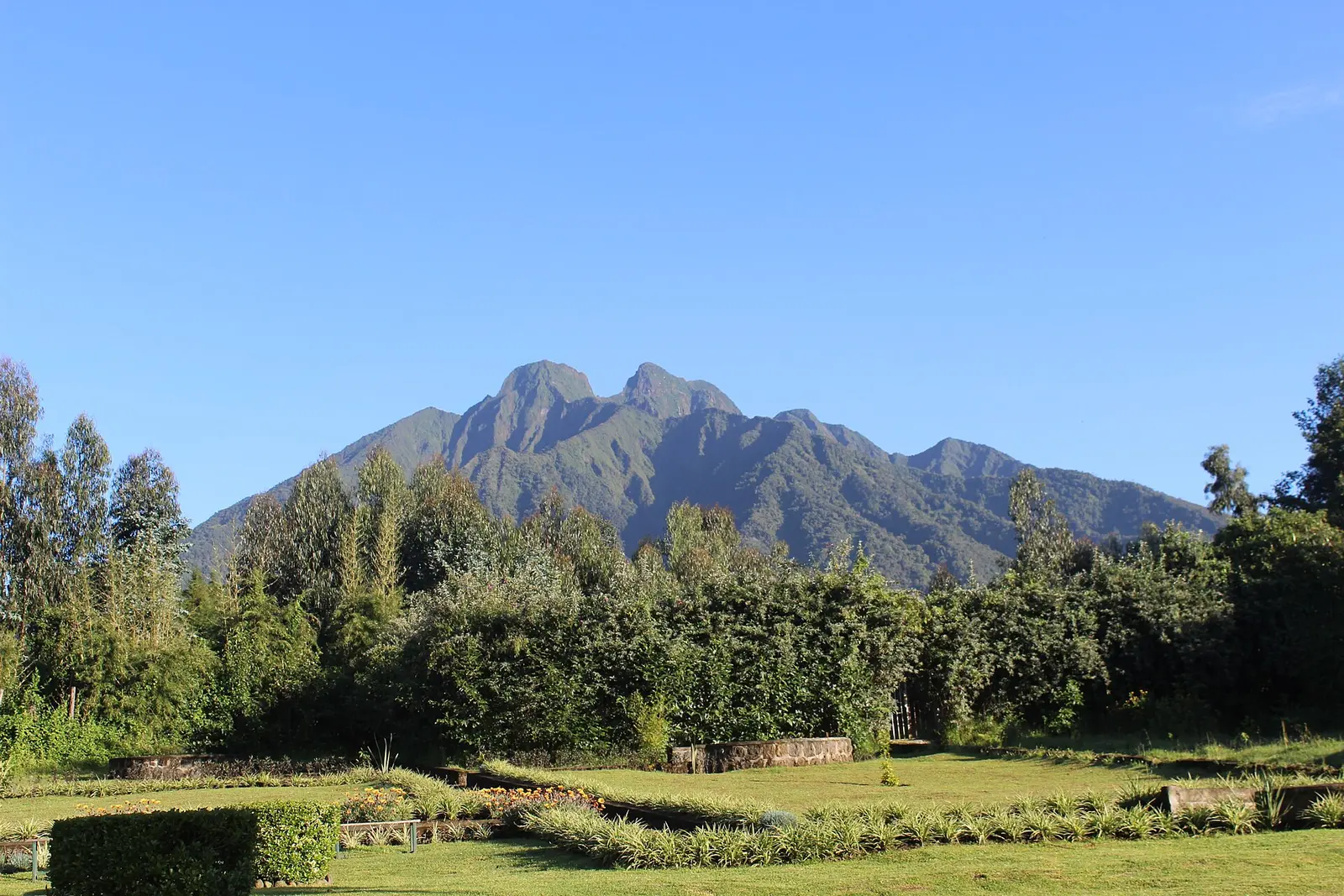
Golden monkeys, the Dian Fossey tomb hike, Bisoke and Karisimbi climbs, plus villages, lakes and caves nearby.
Can I combine gorillas with other parks?
Yes: Lake Kivu, Nyungwe Forest for chimpanzees, or Akagera for big game. We build custom itineraries.
How much should I tip?
As a guideline, US$10–20 per trekker each for the ranger, trackers and porter.
Who are you?
Rwanda Gorilla Permits is run by Rwanda Safari Tours, an RDB-licensed operator based in Kigali since 2014. See about us.
How do I contact you?
By WhatsApp only, on +250 796 077 321 (messages, 7:00 AM – 10:00 PM Kigali time), or through the booking form, which opens WhatsApp for you.