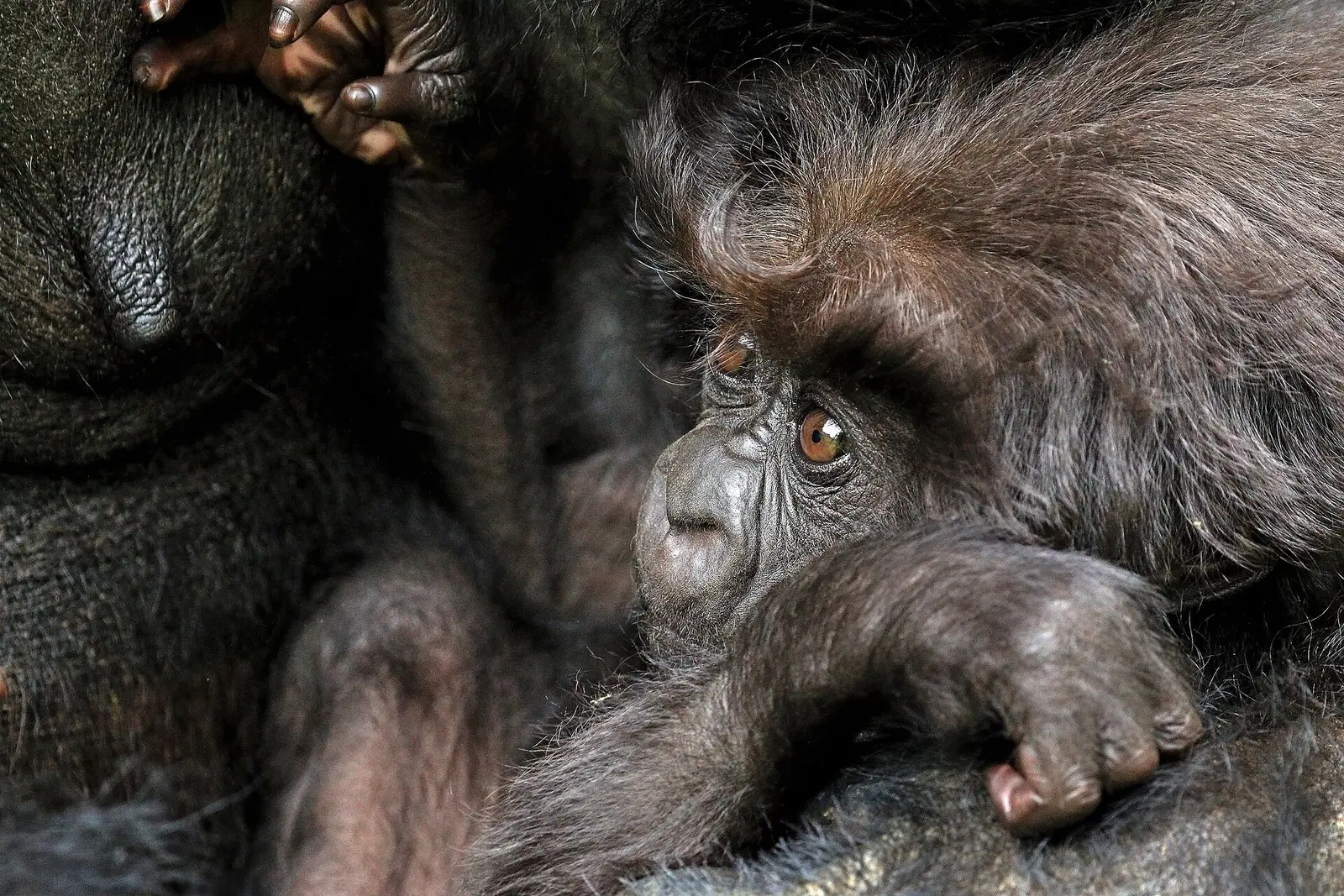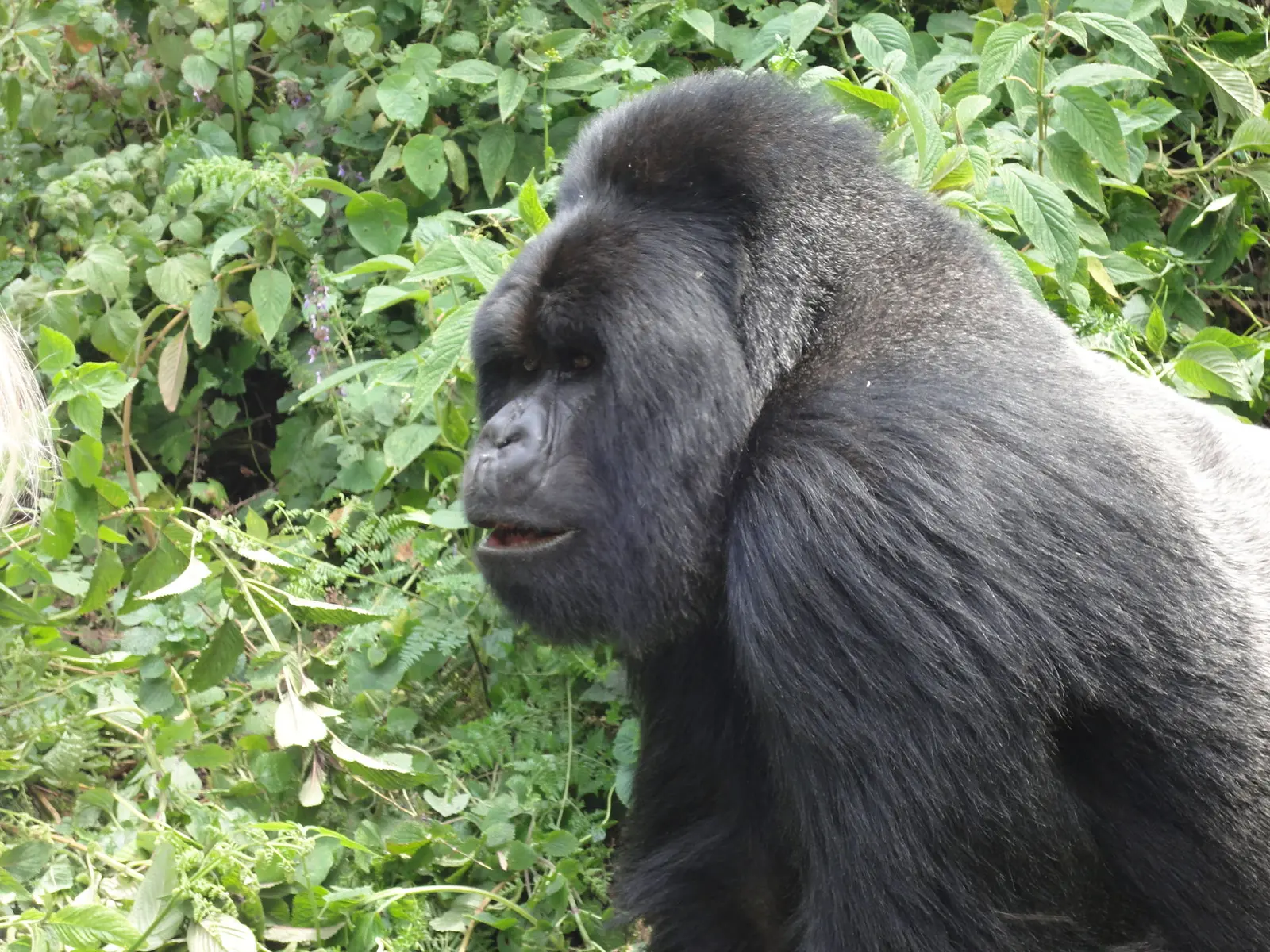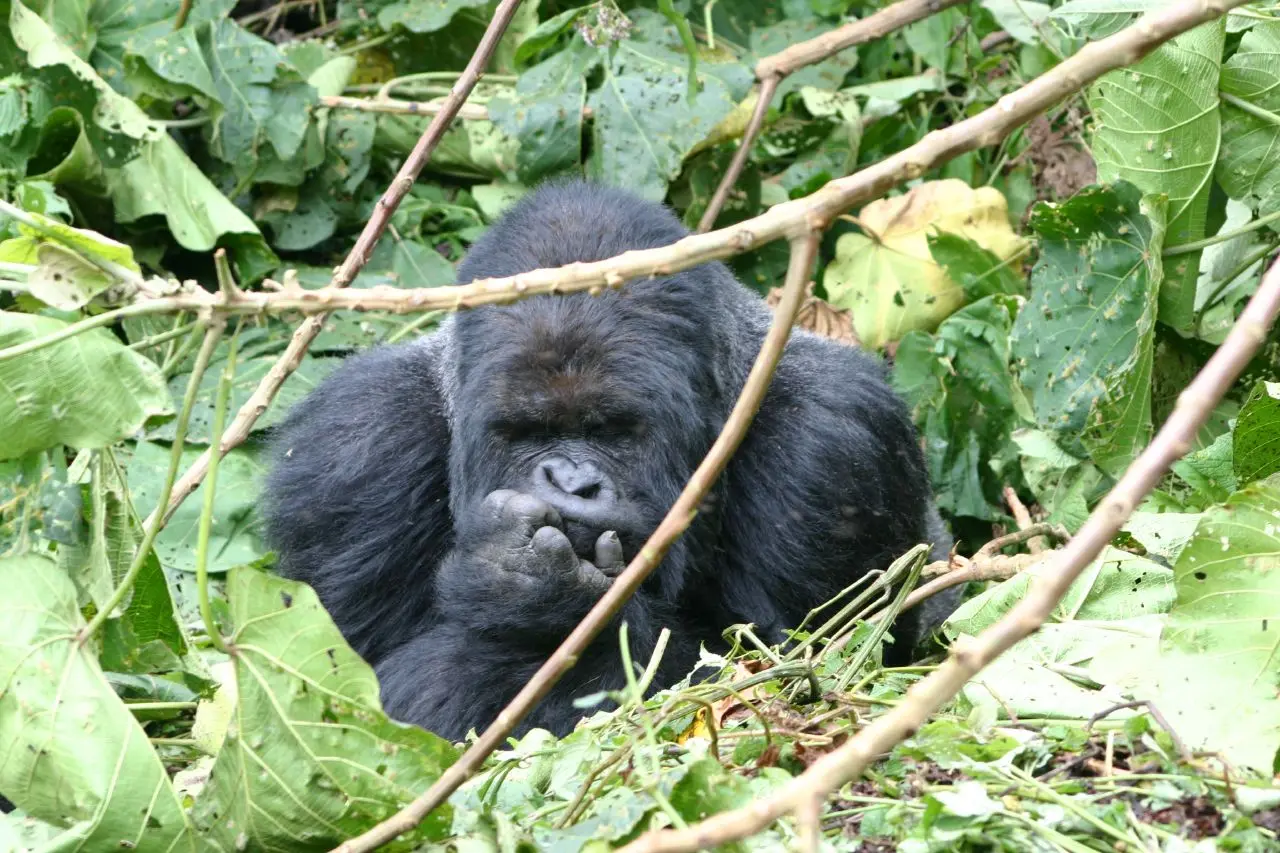
Dian Fossey (16 January 1932 – December 1985) was an American primatologist who spent 18 years studying mountain gorillas in Rwanda's Virunga volcanoes. She founded the Karisoke Research Center, wrote the bestseller Gorillas in the Mist, waged a fierce campaign against poachers, and was murdered at her camp in 1985. Her work is a large part of why mountain gorillas survive — and why gorilla trekking in Rwanda exists today.
Dian Fossey at a glance
| Born | 16 January 1932, San Francisco, USA |
|---|---|
| Died | December 1985 (found 27 December), Karisoke, Rwanda — aged 53 |
| Known for | Long-term study of mountain gorillas; anti-poaching campaigns |
| Founded | Karisoke Research Center (1967); the Digit Fund (1978), today the Dian Fossey Gorilla Fund |
| Book | Gorillas in the Mist (1983) |
| Film | Gorillas in the Mist (1988), starring Sigourney Weaver |
| Buried | Karisoke, Volcanoes National Park, Rwanda — beside the gorilla Digit |
Early life and the road to Africa
Fossey grew up in California and trained as an occupational therapist, working with children in Kentucky. She had no formal scientific training, but a deep love of animals. In 1963, at the age of 31, she spent her savings on a trip to Africa, during which she met the anthropologist Louis Leakey and saw mountain gorillas for the first time in the Virungas.
Leakey believed that long-term field studies of the great apes could shed light on human evolution, and he encouraged three women to undertake them: Jane Goodall with chimpanzees, Biruté Galdikas with orangutans, and Dian Fossey with mountain gorillas. They became known as "Leakey's Angels" or the "Trimates".
Karisoke: 18 years with the gorillas
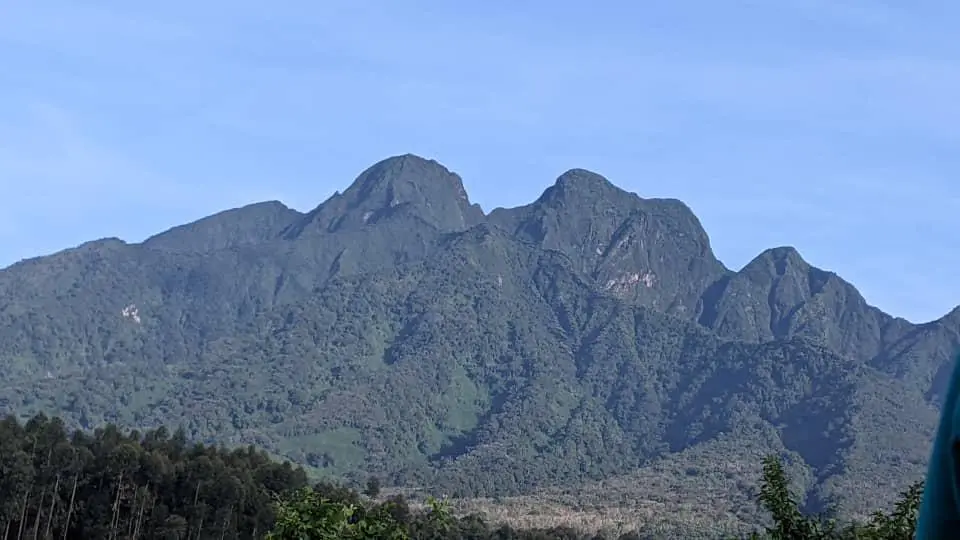
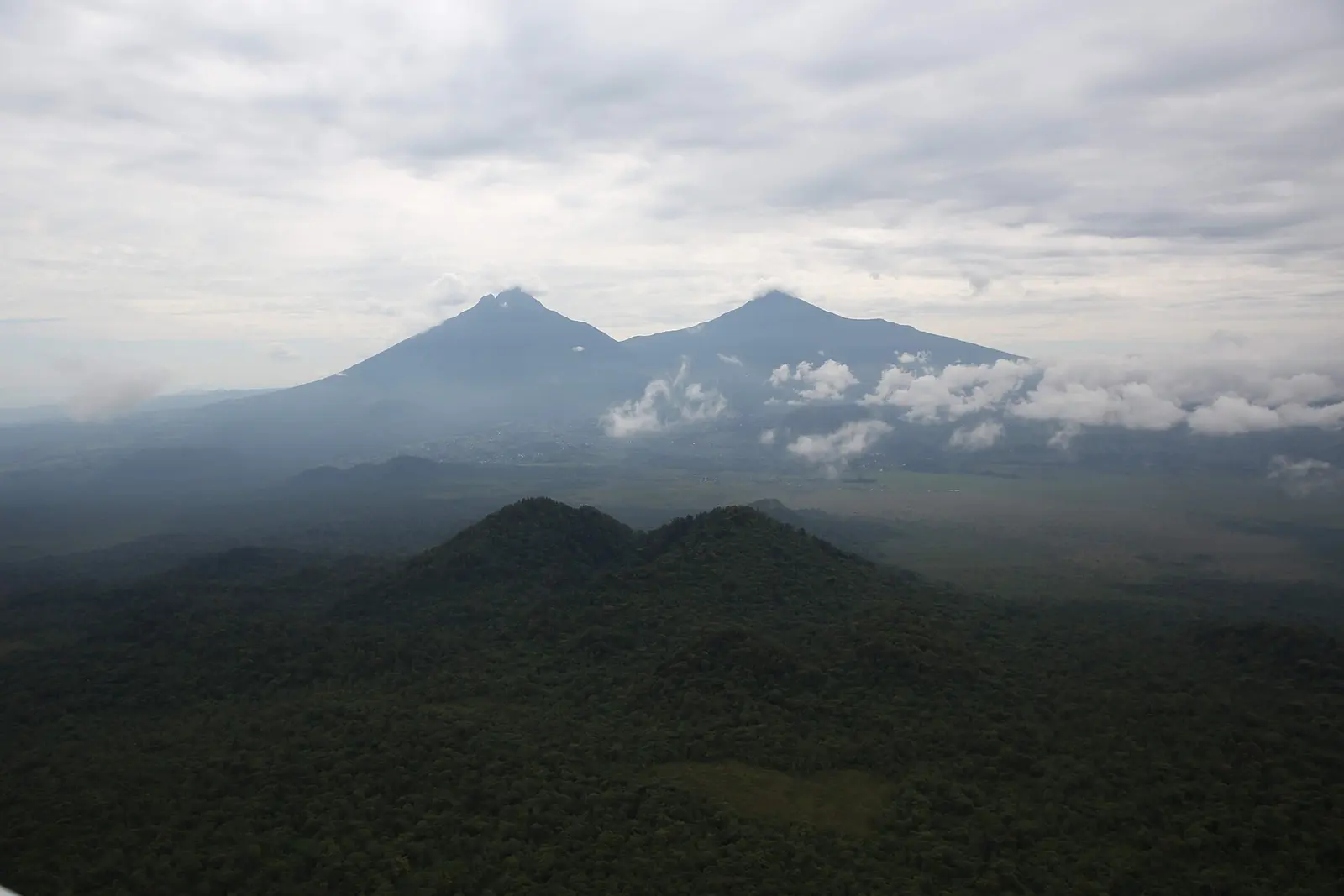
Fossey began her study in 1966 on the Congolese side of the Virungas, but political unrest forced her out in 1967. On 24 September 1967 she founded the Karisoke Research Center in Rwanda, in the saddle between Mount Karisimbi and Mount Visoke (Bisoke) — the name combines the two.
Her method was patience. Rather than observing from a distance, she gradually habituated gorilla groups to her presence by imitating their behaviour — feeding, grooming, vocalising and keeping low. Over years she identified individuals by their nose prints, recorded family relationships and documented behaviour that had never been seen. She later earned a PhD from the University of Cambridge in 1976. Her research forms the foundation of what we know about mountain gorillas — read our mountain gorilla facts.
Digit
Of all the gorillas she knew, Fossey was closest to Digit, a young male from one of her study groups who had grown up around her. On 31 December 1977, Digit was killed by poachers while defending his group. His death devastated Fossey and changed her work: she founded the Digit Fund to finance anti-poaching patrols and turned to an increasingly confrontational campaign against poachers. Digit is buried at Karisoke, and Fossey was later buried beside him.
In 1978, the naturalist David Attenborough filmed his famous encounter with mountain gorillas for the BBC series Life on Earth in the Virungas with Fossey's help — footage that brought the gorillas to a vast global audience.
Gorillas in the Mist
Fossey's book Gorillas in the Mist was published in 1983 and became a bestseller, introducing millions of readers to the gorillas as individuals with personalities and families. In 1988, three years after her death, it was adapted into a Hollywood film starring Sigourney Weaver as Fossey, which earned several Academy Award nominations. National Geographic photographer Bob Campbell, who worked with Fossey at Karisoke, took many of the iconic early images of her with the gorillas.
How did Dian Fossey die?
Dian Fossey was found murdered in her cabin at Karisoke on the morning of 27 December 1985, killed by blows from a machete. She was 53. The case has never been conclusively solved. A Rwandan court convicted an American research assistant in absentia, but many people, including those who knew her, doubted his guilt. Her uncompromising war on poaching had made her many enemies, and theories about who was responsible remain contested.
She was buried at Karisoke in the gorilla graveyard she had created, next to Digit. Her headstone reads: "No one loved gorillas more."
Her legacy
When Fossey began her work, mountain gorillas were heading towards extinction. Today, numbers in the Virunga massif have more than doubled since the early 1980s, and in 2018 the IUCN moved the subspecies from Critically Endangered to Endangered. That recovery owes a great deal to the protection model she fought for — daily monitoring, anti-poaching patrols — and to the gorilla tourism that now funds it.
The Dian Fossey Gorilla Fund continues her research to this day. Its home is the Ellen DeGeneres Campus near Kinigi, beside Volcanoes National Park, which opened in 2022 and includes an exhibition for visitors on gorilla science and conservation.
Visiting Dian Fossey's grave
You can hike to the Karisoke site and Fossey's grave from Kinigi. The Dian Fossey tomb hike takes about 3–5 hours return, climbing to around 3,000 metres, and the RDB permit is $75. Many travellers combine it with their gorilla trek — meeting the gorillas first makes the graves far more moving.
- Dian Fossey tomb hike guide
- The gorilla families of Rwanda — including groups descended from those Fossey studied
- Gorilla trekking tours — add the Fossey hike to any trip
Dian Fossey questions
Who was Dian Fossey?
Dian Fossey (1932–1985) was an American primatologist who studied mountain gorillas in Rwanda's Virunga volcanoes for 18 years, founded the Karisoke Research Center in 1967, wrote "Gorillas in the Mist" (1983) and campaigned fiercely against poaching.
How did Dian Fossey die?
Dian Fossey was murdered in her cabin at the Karisoke Research Center in Rwanda in late December 1985; she was found on the morning of 27 December. The killing has never been conclusively solved.
How old was Dian Fossey when she died?
She was 53. She was born on 16 January 1932 and died in December 1985.
What animal did Dian Fossey study?
Mountain gorillas, in the Virunga volcanoes on the borders of Rwanda, Uganda and the Democratic Republic of Congo.
Was Dian Fossey married?
No. Dian Fossey never married.
Where is Dian Fossey buried?
At the Karisoke Research Center site in Volcanoes National Park, Rwanda, beside her favourite gorilla, Digit, and other gorillas. Visitors can hike to her grave.
Did Dian Fossey know Jane Goodall?
Yes. Both were encouraged by the anthropologist Louis Leakey, along with Biruté Galdikas, who studied orangutans. The three women are often called "Leakey's Angels" or the "Trimates".
Is the Dian Fossey Gorilla Fund legitimate?
Yes. The Dian Fossey Gorilla Fund is a long-established conservation organisation that continues the gorilla research Fossey began, now based at the Ellen DeGeneres Campus near Kinigi in Rwanda.