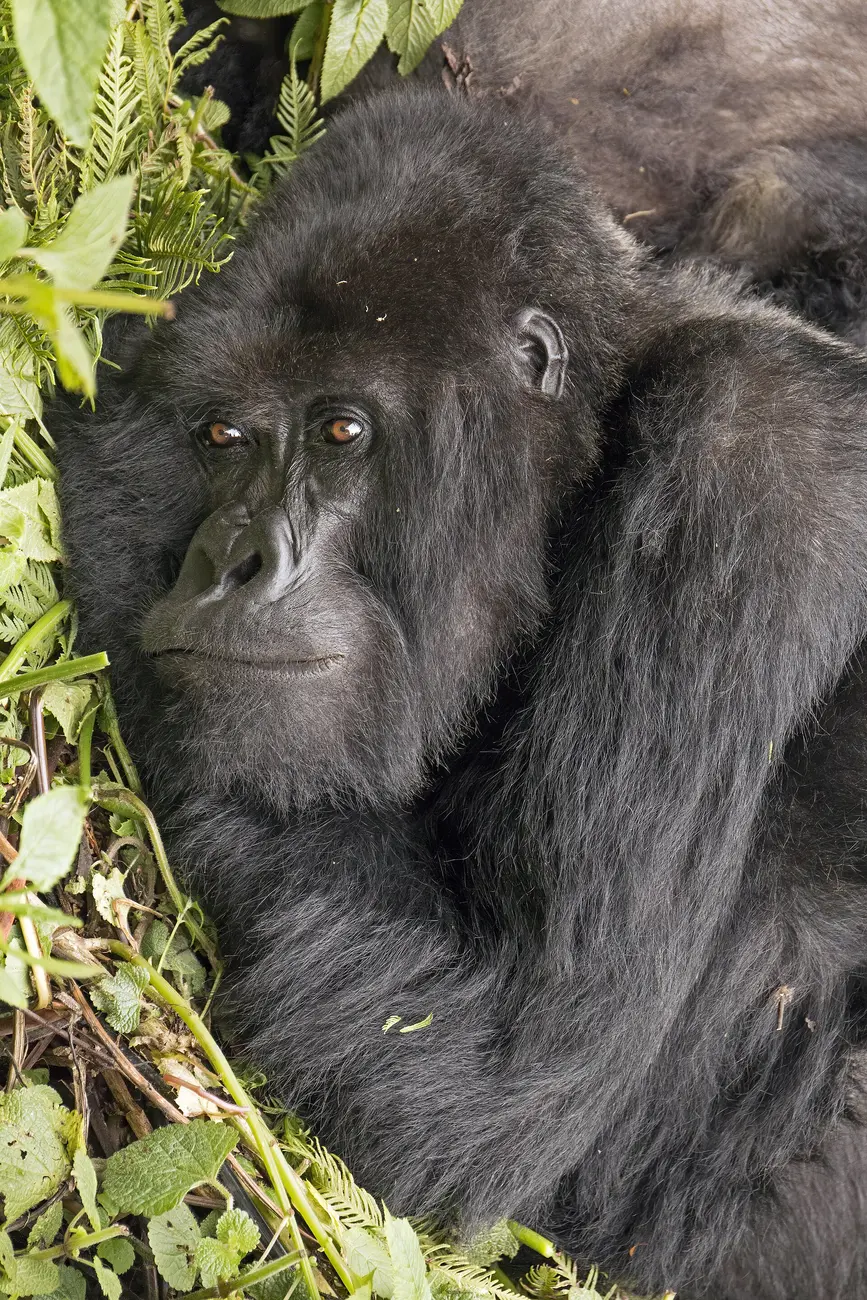
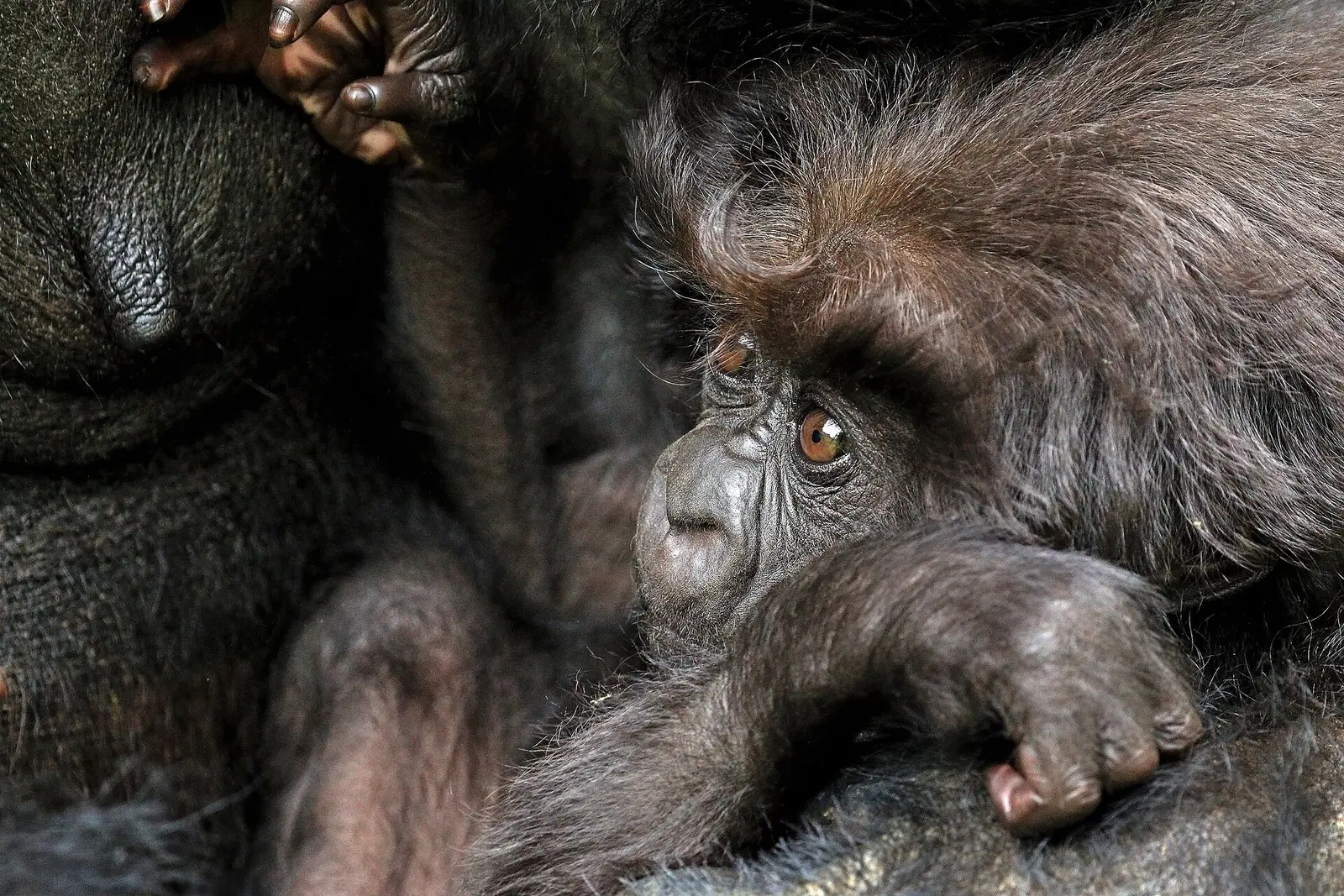
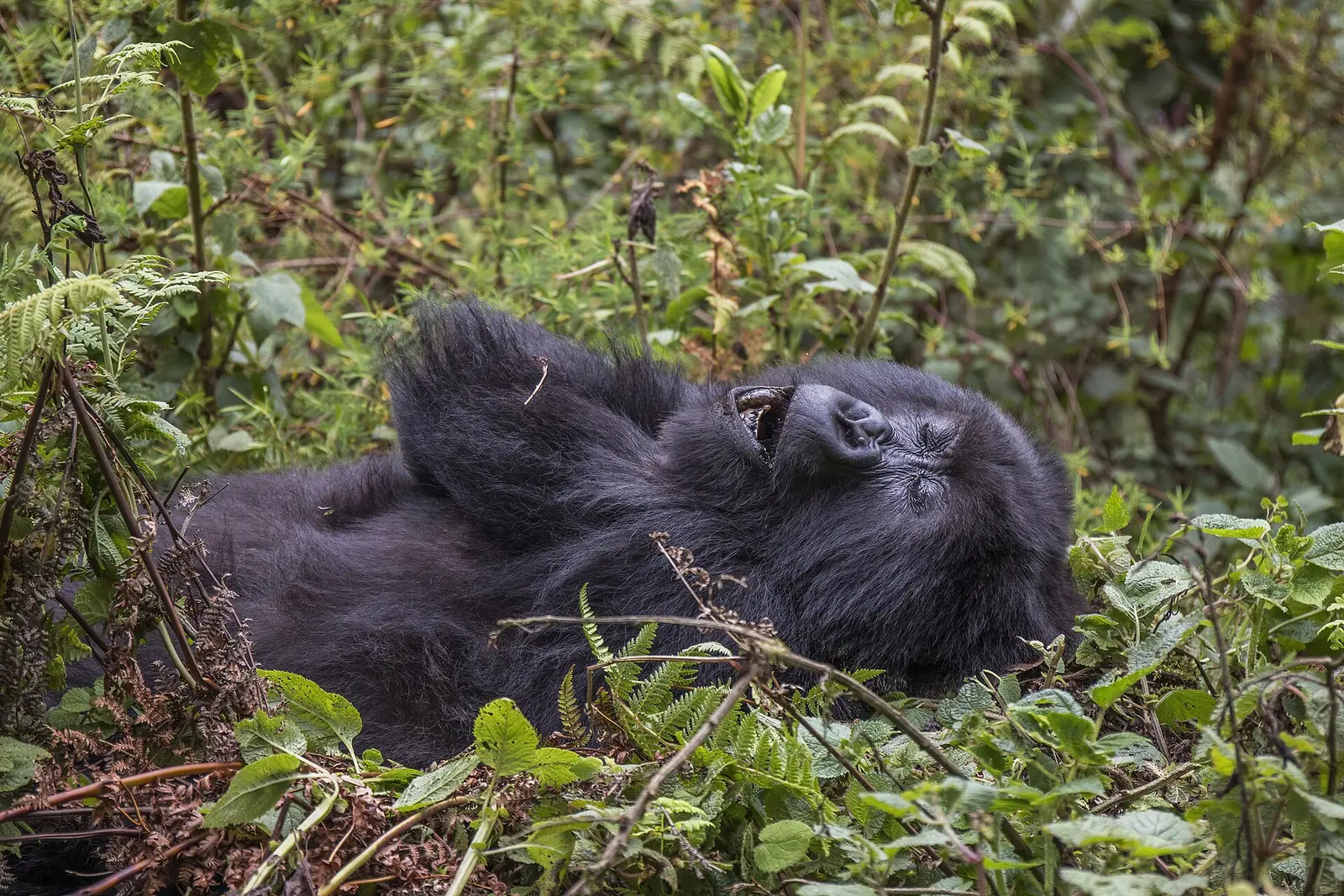
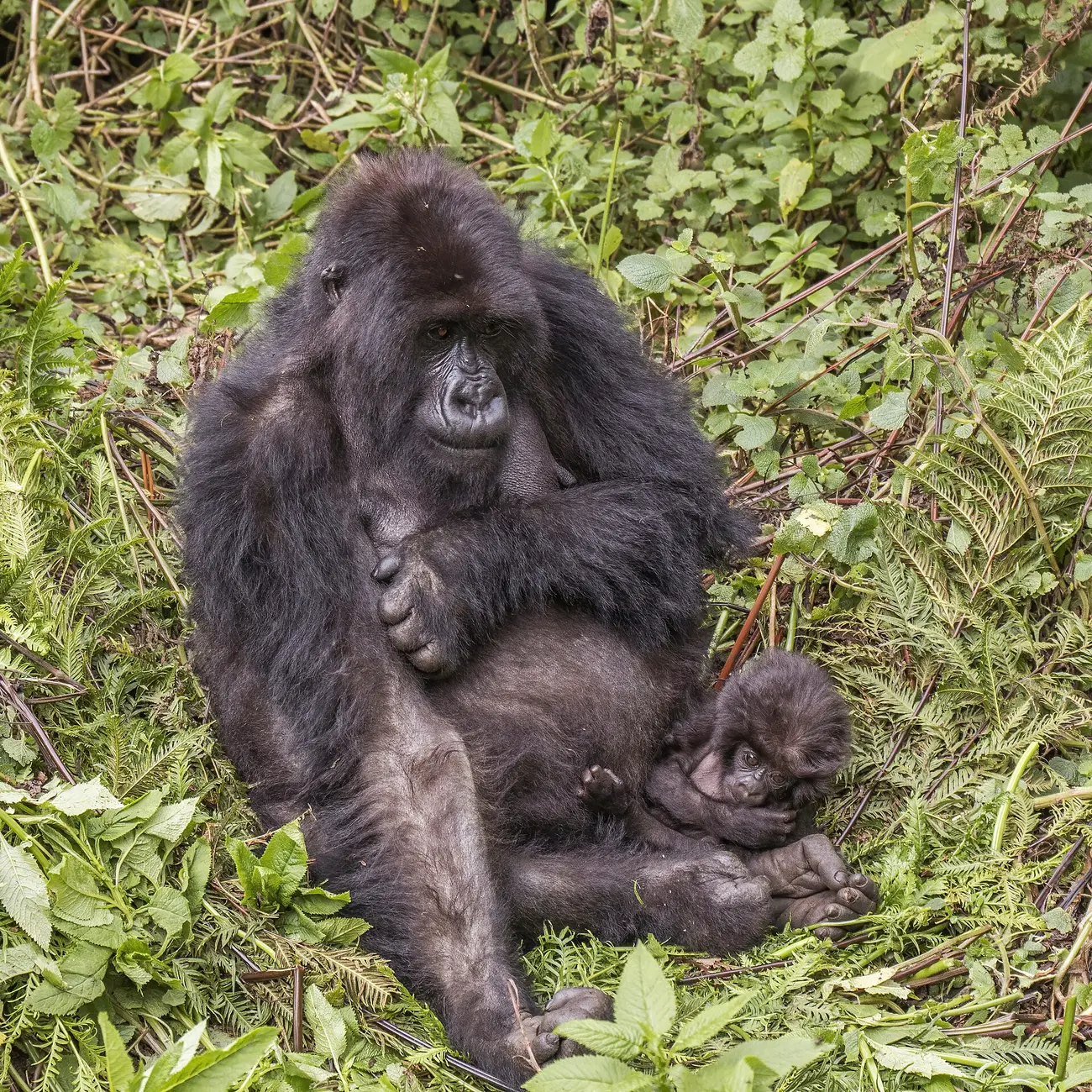
Your ranger will run through the rules at the 7:00 AM briefing in Kinigi, but it helps to know them before you arrive — and to understand why they exist. Mountain gorillas share around 98% of their DNA with us. That closeness is what makes meeting them so moving, and what makes us dangerous to them.
Before the trek
Minimum age: 15
Trekkers must be at least 15 on the day. The rule reflects the physical demands of the trek and the need for calm, predictable behaviour around the gorillas. Ages are checked against passports. See age limits, seniors and families.
Don't trek if you're ill
A cold that's a nuisance for you could kill a gorilla. Respiratory infections are one of the leading threats to habituated gorillas. If you have a cough, cold, flu, fever or diarrhoea, tell your guide; you may be refused entry. This is the most important rule of all.
Group size: maximum 8
Each family receives one group of up to 8 visitors per day.
Wash your hands
Use the handwashing stations before setting off, and use sanitiser before you approach the family.
In the forest
- Stay with your group and behind your ranger.
- Keep your voice low. Gorillas are less stressed by quiet groups — and you'll hear more of the forest.
- Don't litter. Everything you bring in comes out with you, including fruit peel.
- Need the toilet? Tell your guide. They'll take you away from the trail and dig a hole, which must be covered afterwards.
With the gorillas
Keep at least 7 metres away
The 7-metre rule is primarily about disease transmission. Gorillas don't know the rule, and young ones especially may come closer; if that happens, step back slowly if you can, and follow your guide's instructions.
One hour, no more
Timed from when you reach the family. The limit keeps disturbance and disease exposure to a minimum. Your ranger will end the visit when the hour is up.
No flash photography
Flash can startle and stress the gorillas. Turn it off before you get close. See our photography tips for working in low forest light.
No eating, drinking or smoking near the gorillas
Food attracts curiosity and spreads germs. Leave food and drink with your porter. Smoking is not allowed.
Cover your mouth and turn away to cough or sneeze
And if your ranger asks you to wear a face mask during the visit, wear it properly.
Don't touch the gorillas
Even if a gorilla touches you. Stay calm and let your ranger handle it.
Move slowly, avoid prolonged eye contact
Sudden movements can alarm the family. Staring directly at a silverback can be read as a challenge.
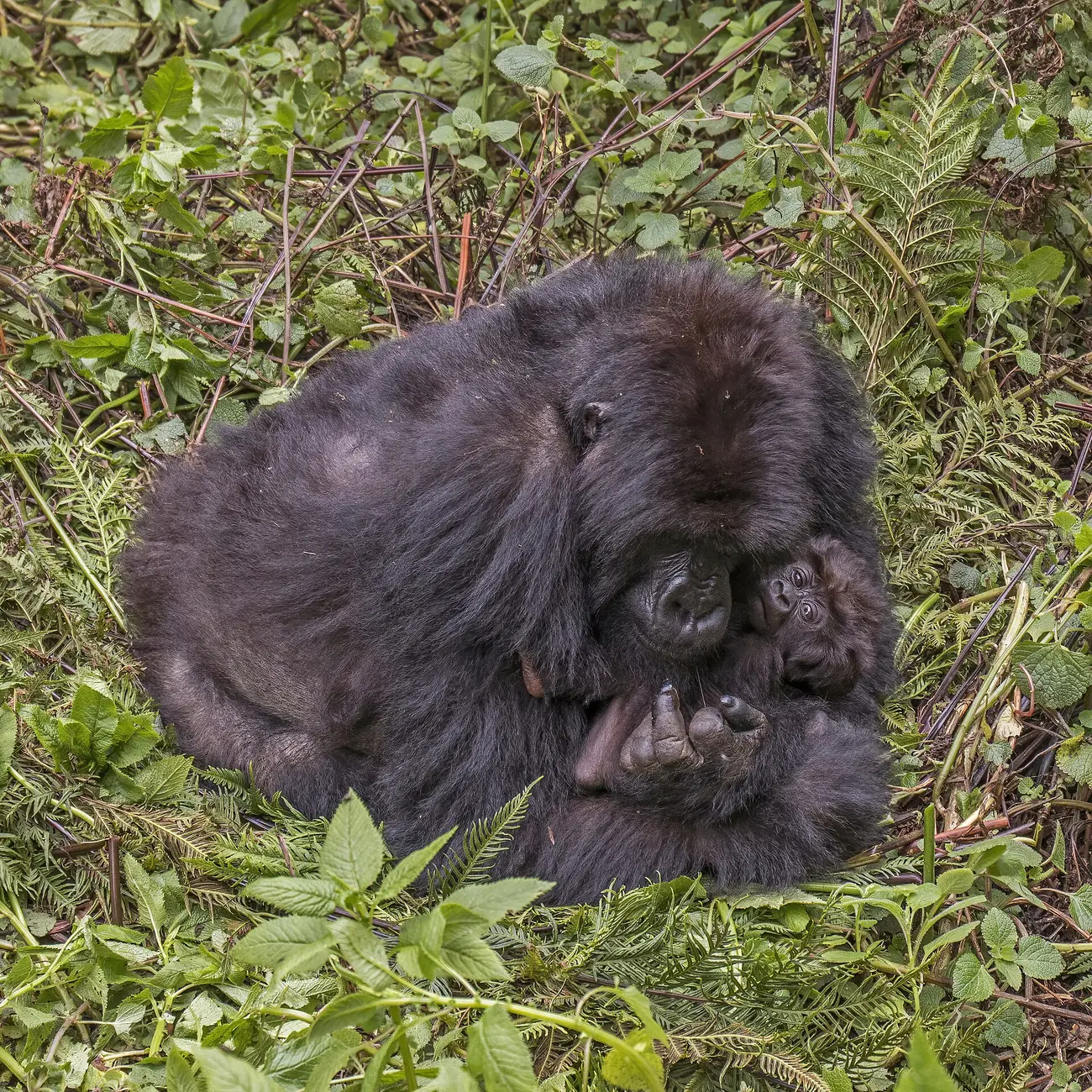
If a silverback charges
It's rare, but a silverback may make a display — beating his chest, crashing through vegetation, even running towards the group. In almost every case it's a bluff, designed to show who's in charge. Your ranger knows this gorilla personally and will handle it. Your job:
- Don't run.
- Crouch down slowly and look down or away.
- Stay still and quiet until he calms down.
- Follow your ranger's instructions exactly.
Respecting people too
Ask before photographing people in the villages you walk through. Tip your porter fairly. Remember that the communities around the park gave up land and livelihoods for gorilla protection — and that tourism revenue, including part of your permit, flows back to them.
In one line
Stay healthy, stay back, stay quiet, keep your hands and food to yourself, and listen to your ranger.
Rules questions
What is the 7-metre rule in gorilla trekking?
Visitors must stay at least 7 metres (about 23 feet) from the gorillas, mainly to reduce the risk of passing on human diseases. If a gorilla approaches you, step back slowly if you can.
Why can you only spend one hour with the gorillas?
To limit stress and disturbance to the family and reduce disease exposure. With up to eight visitors a day, the one-hour limit keeps human contact to a minimum.
Can I trek gorillas if I have a cold?
You shouldn't. Gorillas are highly vulnerable to human respiratory infections. Tell your guide; rangers may refuse to let visibly sick trekkers join a group.
Can I use flash photography with gorillas?
No. Flash is forbidden. Turn it off before you reach the family.
Do I have to wear a mask during gorilla trekking?
Rangers may require masks while you are with the gorillas, particularly when health risks are elevated. Carry one in your pocket.