Gorilla trekking in Rwanda follows a well-worn routine, honed by RDB over decades. Knowing it in advance means you can relax and concentrate on the part that matters: one hour with a wild mountain gorilla family.
The night before
Lay out your clothes, charge camera batteries, and pack your daypack: rain jacket, water, snacks, gloves, passport and a copy of your permit. Eat a proper dinner and go to bed early. If you're doing a day trip from Kigali, your pickup is at 4:30 AM; from a lodge near the park, around 6:15 AM.
6:30–7:00 AM: arriving at Kinigi
All trekkers gather at the Volcanoes National Park headquarters in Kinigi. Your driver-guide registers you, checks your permit and passport, and gets you a coffee or tea. While you wait, a local troupe often performs traditional Intore dance and drumming — an energetic, genuinely joyful start to the day.
7:00 AM: the briefing and family assignment
Rangers divide the day's trekkers into groups of up to 8, one per gorilla family. Behind the scenes, driver-guides and rangers discuss who needs an easier walk and who wants a challenge. Your ranger guide then gives a briefing on your family — its history, its silverback, how many members it has and roughly where the trackers found it — and the rules for the visit.
~8:00 AM: drive to the trailhead
Your group drives (in your own vehicle) to the trailhead nearest your family. This can take 10 minutes or an hour, sometimes on rough, bumpy tracks — part of why 4x4s are used. At the trailhead you'll meet:
- Porters — local men and women who will carry your bag and give you a hand on the steep bits. Hire one. The fee is modest and the help is real.
- Walking sticks — handed out free. Take one.
- Armed rangers — standard escort in the forest, mainly for buffalo and elephants. You won't need them.
The hike
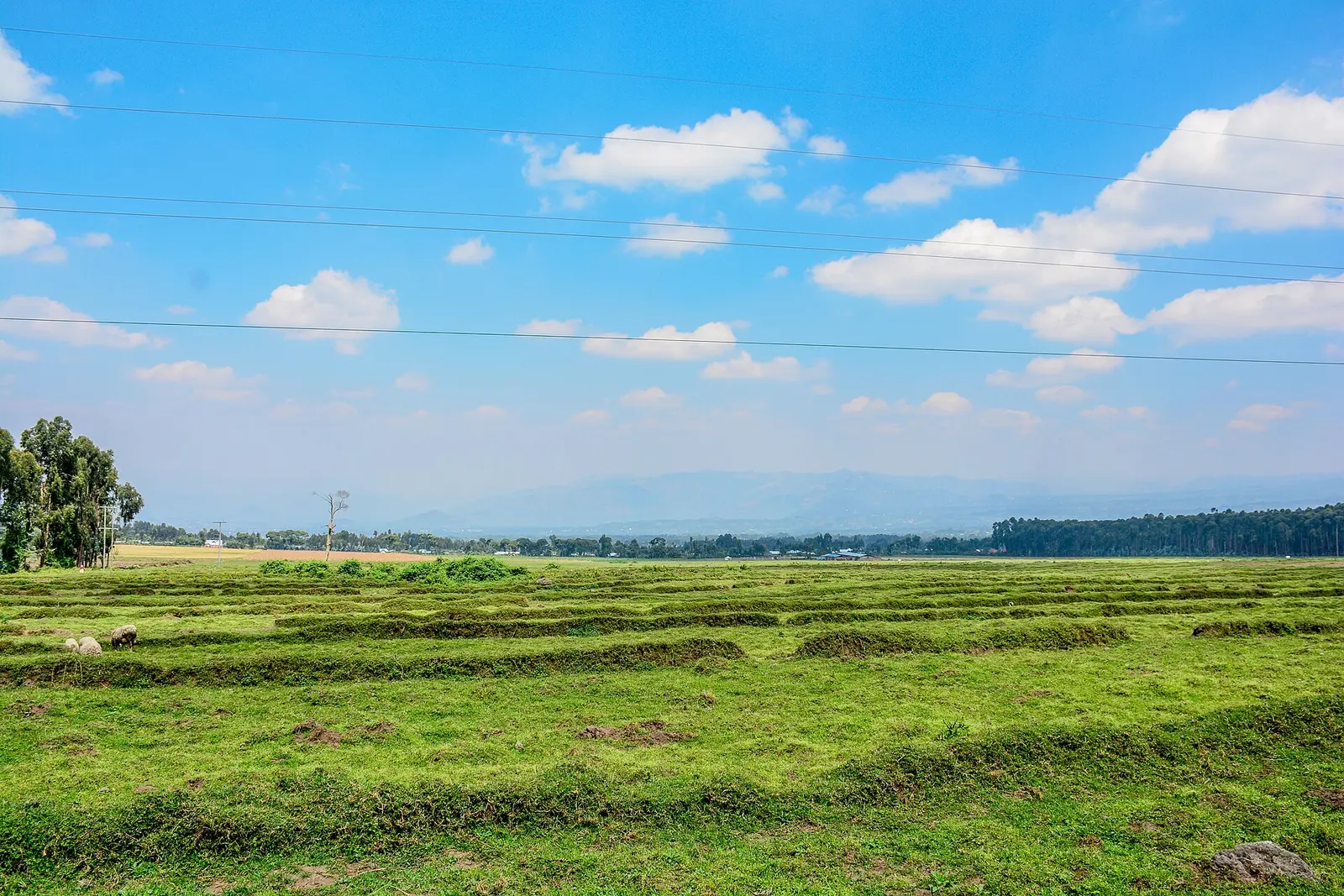
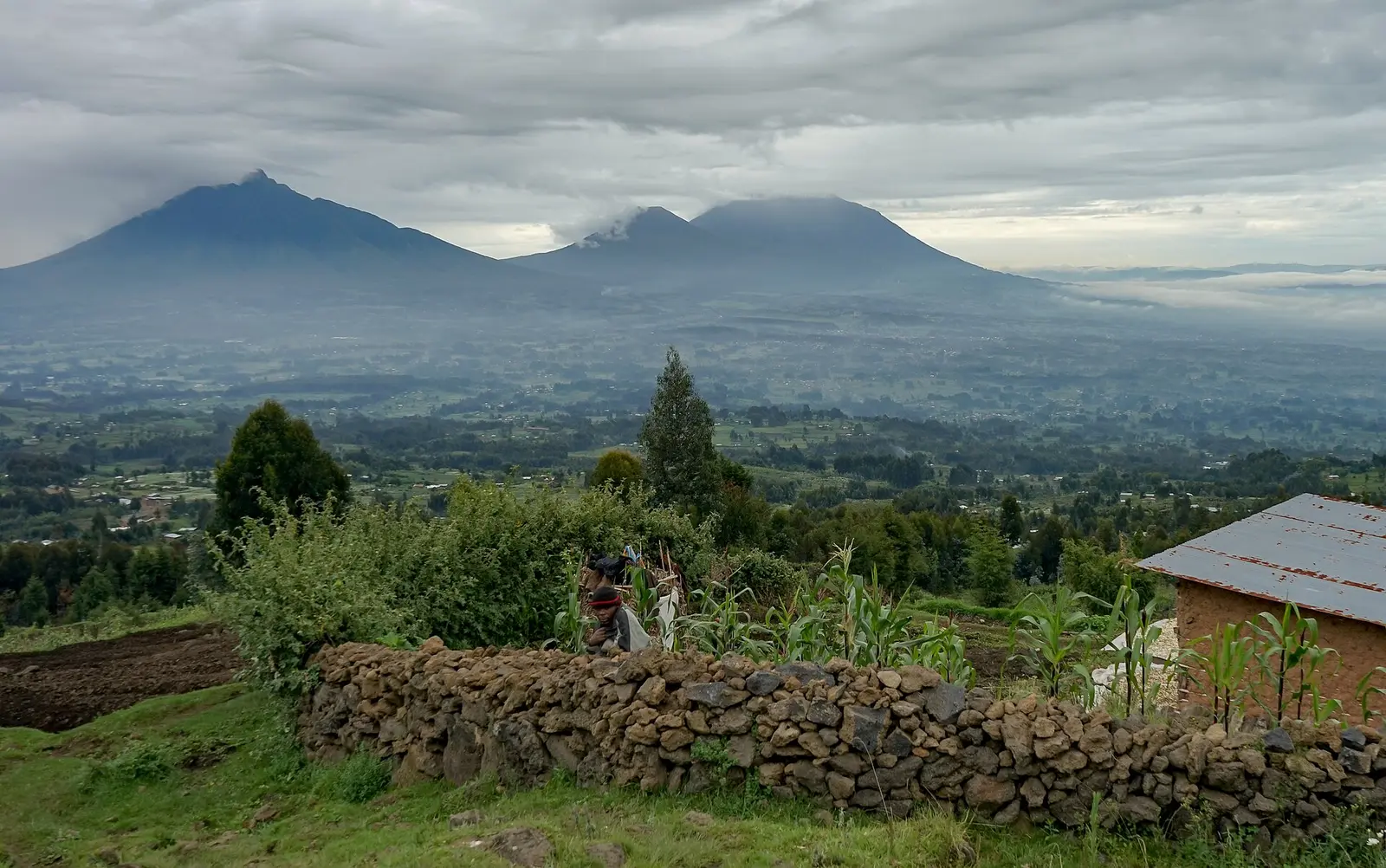
The walk starts through farmland — potatoes, pyrethrum, beans — and small villages, often with children waving. After 20 to 40 minutes you reach the stone wall that marks the park boundary, built to keep buffalo out of the fields. Beyond the wall you're in the forest: bamboo, nettles, wild celery, vines and moss-covered Hagenia trees.
Your ranger stays in radio contact with the trackers who've been with the family since dawn. The pace is steady and you stop for breaks. There may be no real trail; rangers sometimes cut a path with machetes. Expect mud, uphill sections and stinging nettles — which is why long sleeves and gloves matter.
Meeting the trackers
When you're close, you meet the trackers. This is the moment to leave bags, food, water and sticks with the porters. Take only your camera. If your ranger asks, put on a face mask. Then you move forward quietly — and suddenly, a few metres ahead, there's a black shape in the green.
Your hour with the gorillas
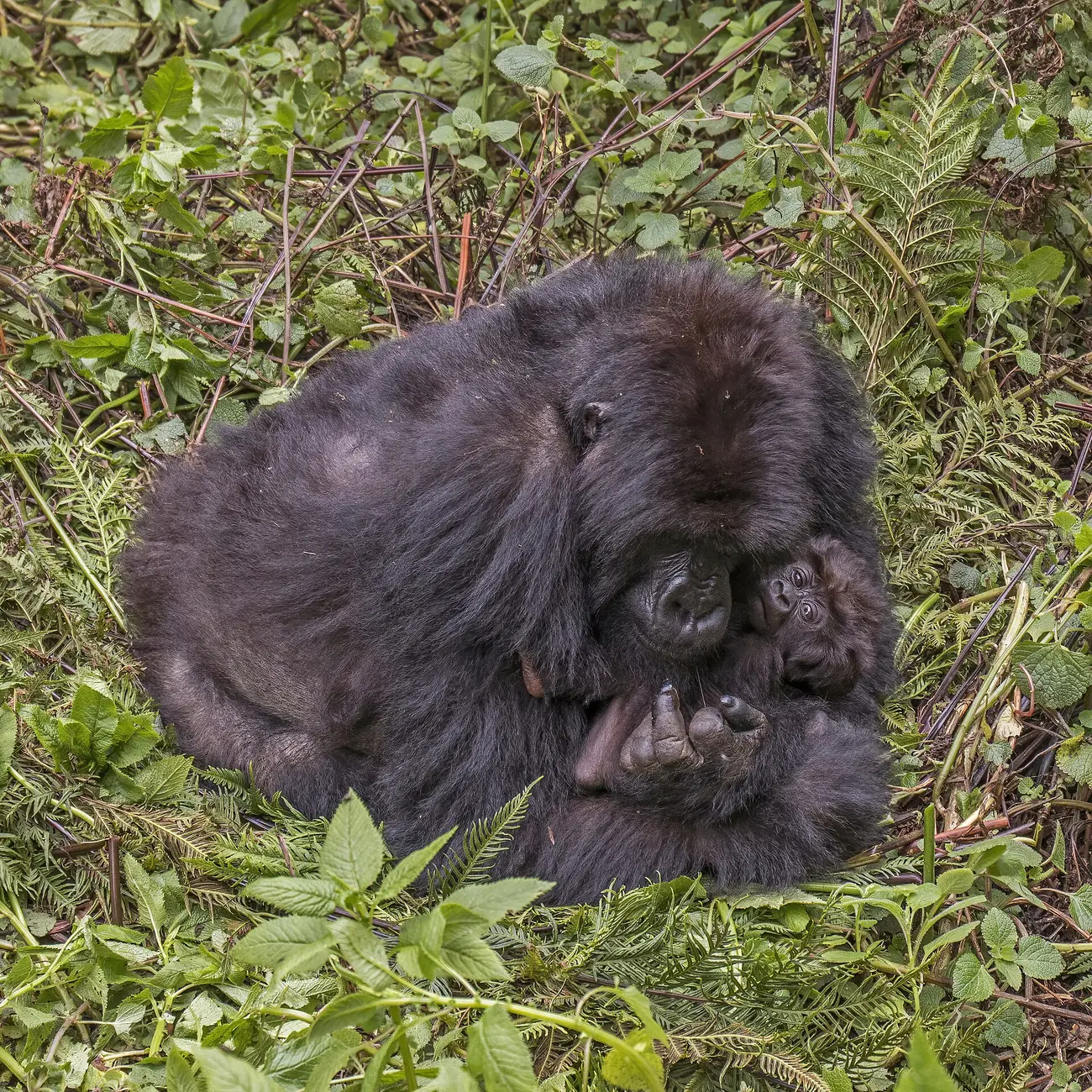
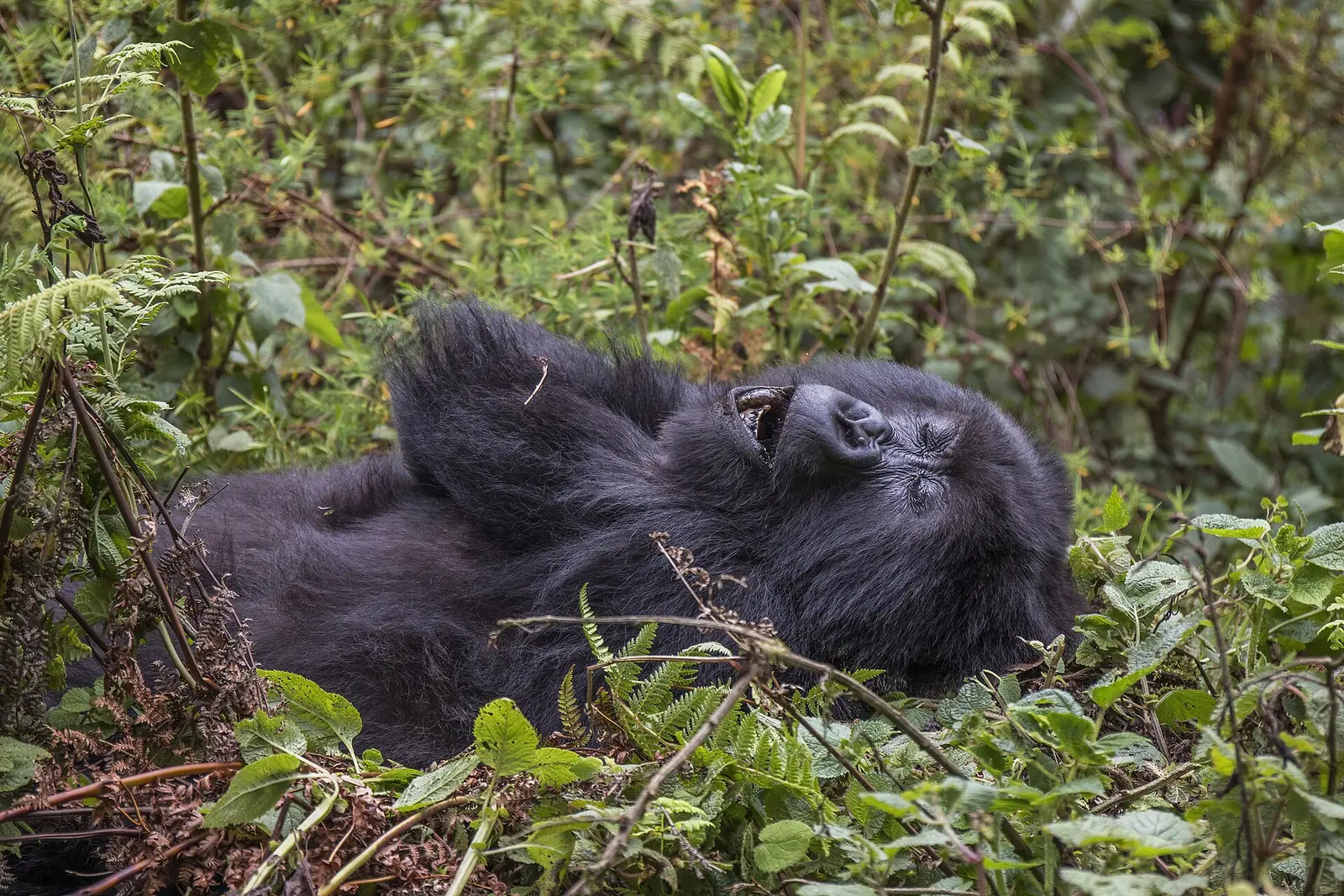
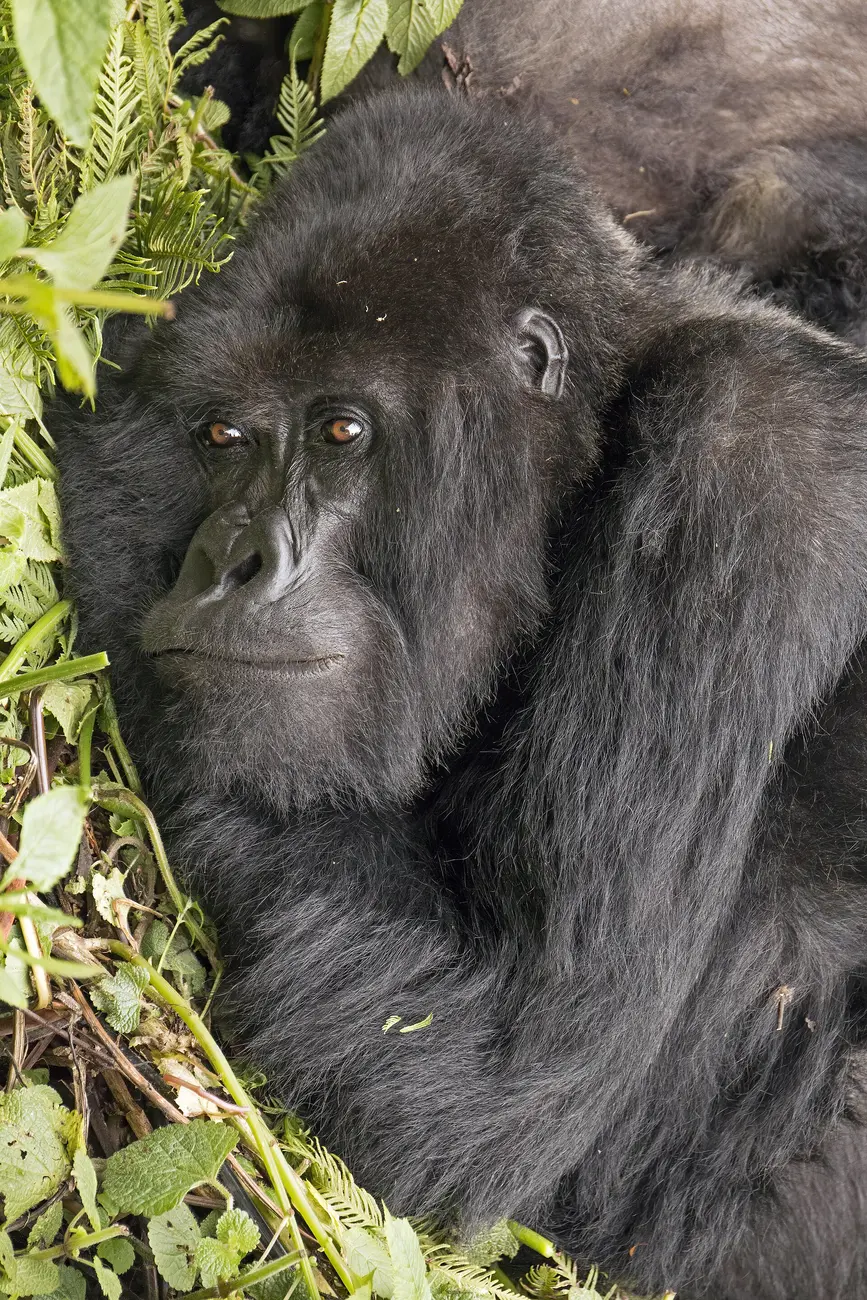
The hour starts when you reach the family and your ranger keeps time. What happens depends entirely on the gorillas. They might be resting in a clearing, or feeding while moving through dense vegetation — in which case you move with them. You'll usually see the silverback, several females, juveniles and, if you're lucky, infants.
Your ranger and trackers communicate with the gorillas using soft grunts and rumbles. They'll position the group for the best views and keep everyone at a safe distance. Sometimes a curious juvenile approaches you; step back slowly if you can. Speak quietly, move slowly, and don't point or stare directly at the silverback for long.
Don't spend the whole hour behind a lens
Take your photos in the first 20 minutes, then put the camera down for a while and just watch. Almost everyone who has done this says the same thing: the memory is better than the pictures.
When the hour ends, your ranger will quietly say it's time. Groups leave even if the gorillas are in the middle of something wonderful. That's the deal.
Walking out and the certificate
The walk out is usually quicker and often full of chatter. Back at the trailhead, tip your porter, and your guide may present your official gorilla trekking certificate. Then it's lunch — packed, at your lodge, or at a restaurant in Kinigi or Musanze — and either a lazy afternoon near the park or the drive back to Kigali.
What can go wrong
- Rain. Common, especially March–May and October–November. Your hour still happens; bring waterproofs.
- A long trek. If the family moved far overnight, the walk may take hours. Pace yourself and use your porter.
- Feeling unwell on the day. If you have a cold or fever, tell your guide. Rangers can refuse sick trekkers to protect the gorillas.
- The family moves during your hour. You follow at a respectful distance. It can make photos harder, but it's often the most exciting part.
Trek day questions
How long does gorilla trekking take?
From the start of the hike to your return, anywhere from about two to seven hours. The walk to the family can take 30 minutes to four hours or more; you then spend exactly one hour with them, and walk back.
Will I definitely see gorillas?
Sightings are almost guaranteed, because trackers locate each family before you reach it and stay in radio contact with your guide. Very rarely, extreme weather or a family moving into inaccessible terrain can prevent a visit.
How close do you get to the gorillas?
The rule is to stay at least 7 metres away. In practice gorillas sometimes move closer to you; your guide will tell you to step back slowly.
What happens if a gorilla charges?
Silverbacks occasionally make a bluff display. Stay still, look down, crouch, and don't run. Follow your guide, who knows the gorilla personally. Serious incidents with tourists are extremely rare.
Can I use the toilet during the trek?
There are toilets at Kinigi and at some trailheads. In the forest, tell your guide — they'll take you aside and dig a hole. Never relieve yourself near the gorillas.