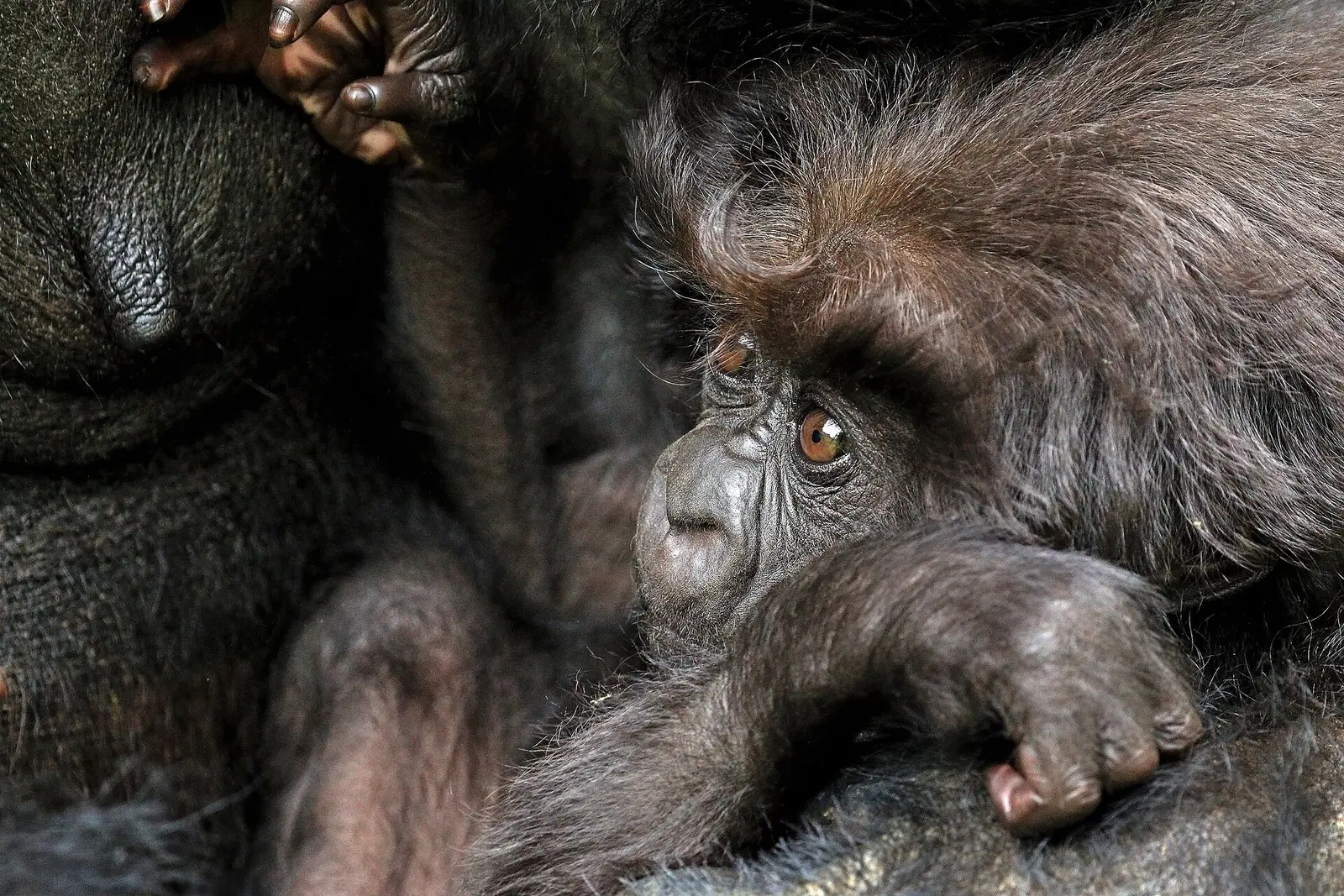
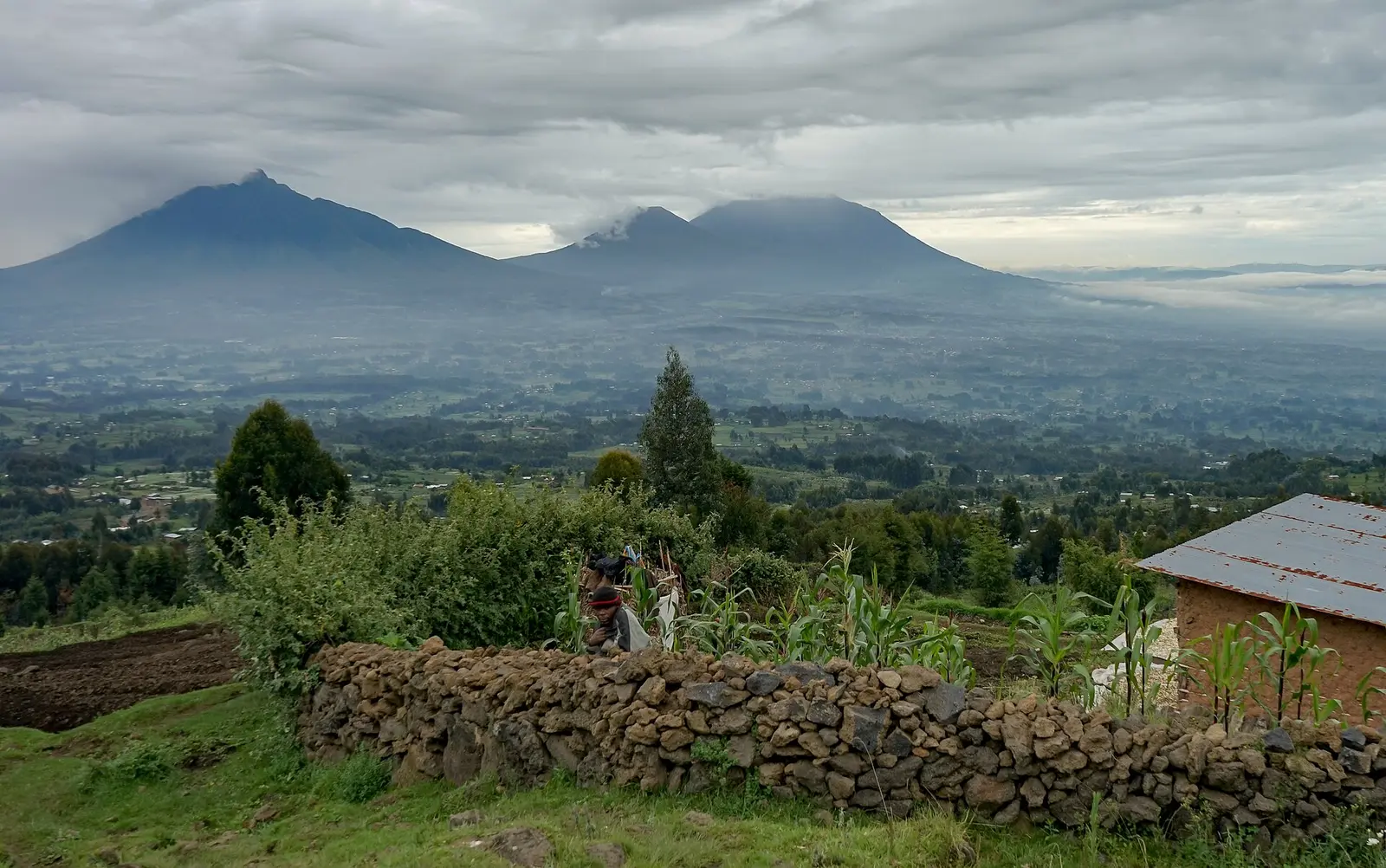
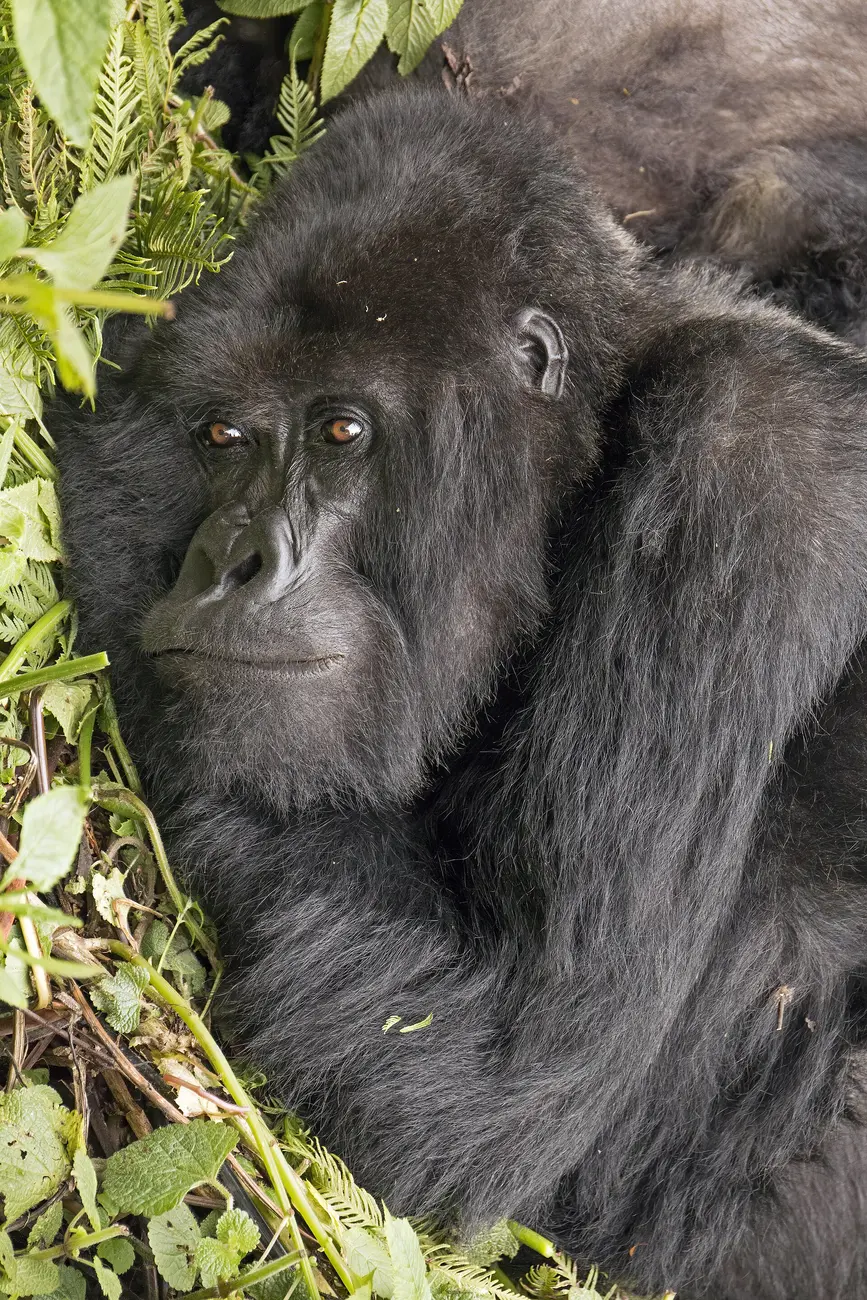
Rwanda's mountain gorillas live in family groups, each led by at least one mature silverback. 12 of those families in Volcanoes National Park are habituated for tourism and receive one group of up to 8 trekkers a day. Knowing a little about them makes your gorilla trekking in Rwanda far richer — even though you won't know which one you'll meet until the morning of your trek.
A note on accuracy
Gorilla families are living societies. Silverbacks die or are overthrown, groups split, new families are habituated, and sizes change with every birth and transfer. The descriptions below reflect each family's well-documented history and typical character; on the day, your ranger will tell you the family's current size and leader.
How families are assigned
At the 7:00 AM briefing in Kinigi, rangers divide that day's permit holders among the families. They consider age and fitness — older trekkers or anyone with a knee problem will usually be put with a family expected to be nearer the park edge — and the driver-guides advocate for their clients. If you want a long, challenging hike, say so; if you need an easy one, tell us when you book so we can make the case early.
Susa (Susa A)
The most famous family in Rwanda — the group Dian Fossey studied, featured in Gorillas in the Mist. Susa was historically the largest family in the park, at times numbering more than 30 and including several silverbacks, and it once made headlines for a set of twins. It ranges high on the slopes of Mount Karisimbi, so the trek is usually the longest and most strenuous in Rwanda. Worth it for fit trekkers who want to see a big, complex group.
Karisimbi (Susa B)
A breakaway from the Susa group that lives even higher on Karisimbi's flanks. Treks can be long and steep and sometimes involve a full day on the mountain. Assigned to very fit trekkers.
Sabyinyo
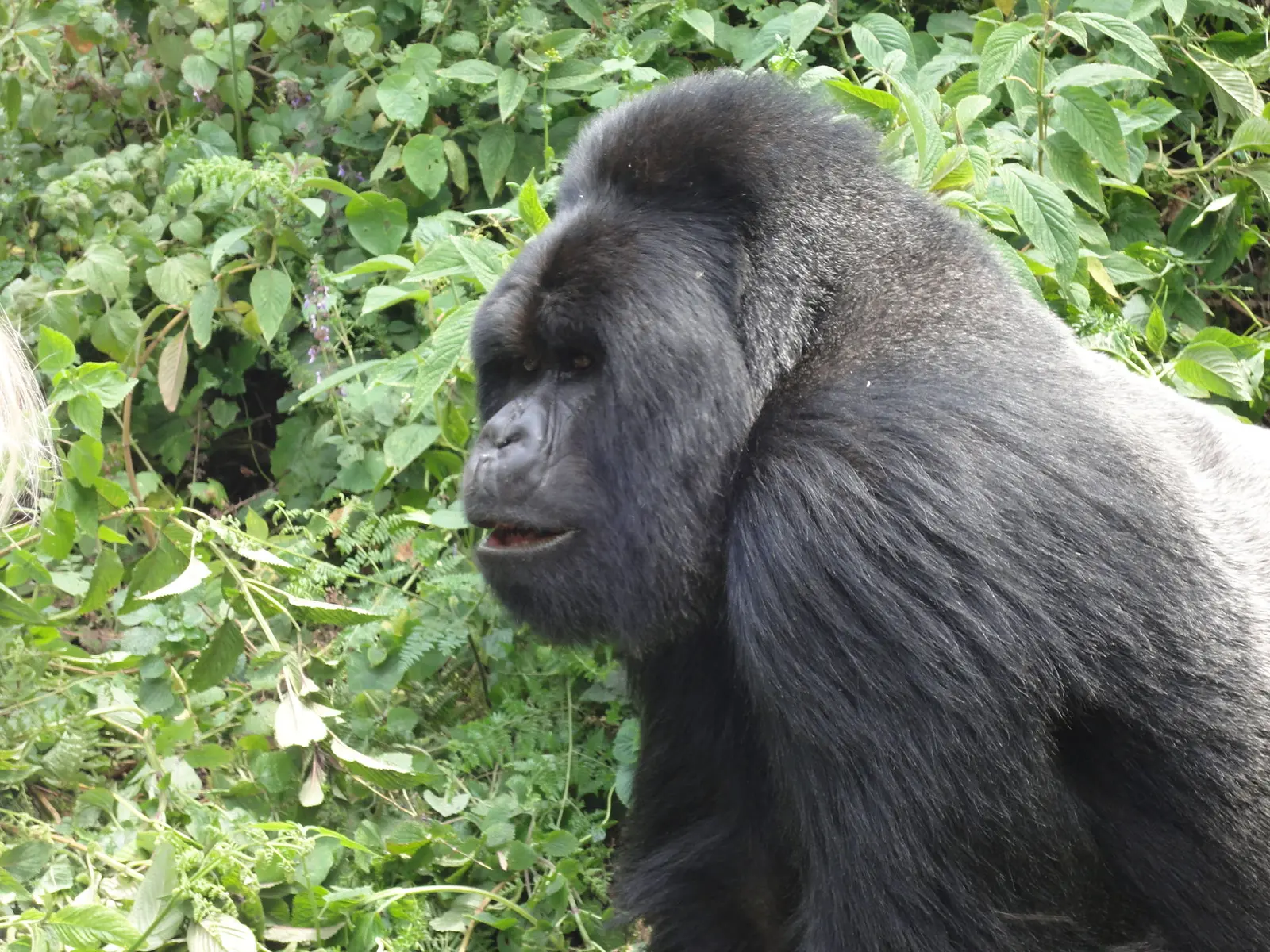
Named after the volcano it lives on, Sabyinyo was long led by Guhonda, often described as the largest silverback in the park, weighing an estimated 200 kg or more. The family generally ranges on gentler terrain between Sabyinyo and Gahinga, often fairly close to the park edge, making it one of the more accessible treks and a frequent choice for older visitors.
Amahoro
Amahoro means "peace" in Kinyarwanda, and the family has a reputation for a calm temperament. It ranges on the slopes of Bisoke, so the climb is moderate to strenuous. A good family for patient observers.
Umubano
Umubano means "living together". It formed when a male named Charles split from Amahoro and took several females with him to found his own group. Usually a moderate trek, also on the Bisoke side.
Agashya (Group 13)
Originally known as Group 13 because of its number of members when habituation began. The silverback Agashya took over the family and grew it considerably. Agashya's group often ranges in the area between Sabyinyo and Gahinga, and treks are frequently moderate, though the family is known to move if disturbed.
Kwitonda
Kwitonda means "humble one", the name of its founding silverback. This family migrated into Rwanda from the DRC side of the Virungas and lives on the lower slopes of Muhabura. Treks are typically moderate to challenging, since the group can range widely.
Hirwa
Hirwa means "lucky one". The family formed in the mid-2000s from gorillas that left the Susa and Sabyinyo groups, and was famously blessed with twins. It usually lives between Sabyinyo and Gahinga, and treks tend to be moderate.
Bwenge
Bwenge means "wisdom". The family lives on the Karisoke side of the park, on the slopes of Bisoke — the area where Gorillas in the Mist was filmed. Its early years were marked by the loss of several infants, but the group recovered and grew. Treks are usually steep and muddy.
Ugyenda (Ugenda)
Ugyenda (often written Ugenda) means "on the move", and this family lives up to its name, wandering widely in the Karisimbi area. Trek length can vary a lot from day to day.
Muhoza and Igisha
Two of the families habituated more recently as the gorilla population grew. Both formed from splits of older groups — a sign of a healthy, expanding population — and their trek difficulty varies with where they're ranging at the time.
Research-only groups
Several other families in the park, including groups followed for decades by the Dian Fossey Gorilla Fund, are visited only by researchers and trackers. Keeping some groups free of tourism provides a scientific baseline and spreads visitor pressure. New tourist families are occasionally added as groups split and grow.
What family size means for your visit
Large families — 20 or more — mean more going on: several adult females, juveniles playing, infants clinging to mothers, maybe more than one silverback. Smaller families can feel more intimate, and you may get longer, clearer views of each individual. Neither is better. What makes the hour memorable is behaviour, light and luck — and every family can deliver that.
Gorilla family questions
How many gorilla families are in Rwanda?
Volcanoes National Park has 12 habituated gorilla families open to tourist trekking, plus further groups monitored only by researchers. Each tourist family receives one group of up to 8 visitors per day.
Can I choose which gorilla family to visit?
Not in advance. RDB rangers assign families at the 7:00 AM briefing in Kinigi, taking fitness and age into account. You can request an easier or more challenging trek, and your guide will pass that on.
Which is the easiest gorilla family to trek in Rwanda?
Families that usually range lower and closer to the park boundary — Sabyinyo and Agashya are often cited — tend to offer shorter treks. But gorillas move daily, so no family is guaranteed to be close.
Which is the hardest gorilla family to trek?
Susa and Karisimbi, which live high on the slopes of Mount Karisimbi, are traditionally the most demanding treks.
Why do gorilla families split?
Young males leave or are pushed out as they mature, and females transfer between groups. Sometimes a family splits around two silverbacks. That's why family names, sizes and leaders change over time.