It's the scenario every gorilla trekker dreads: waking up with a sore throat or a fever on the day of the trek. Here's what happens, why the rules exist, and how to protect yourself.
Why it matters
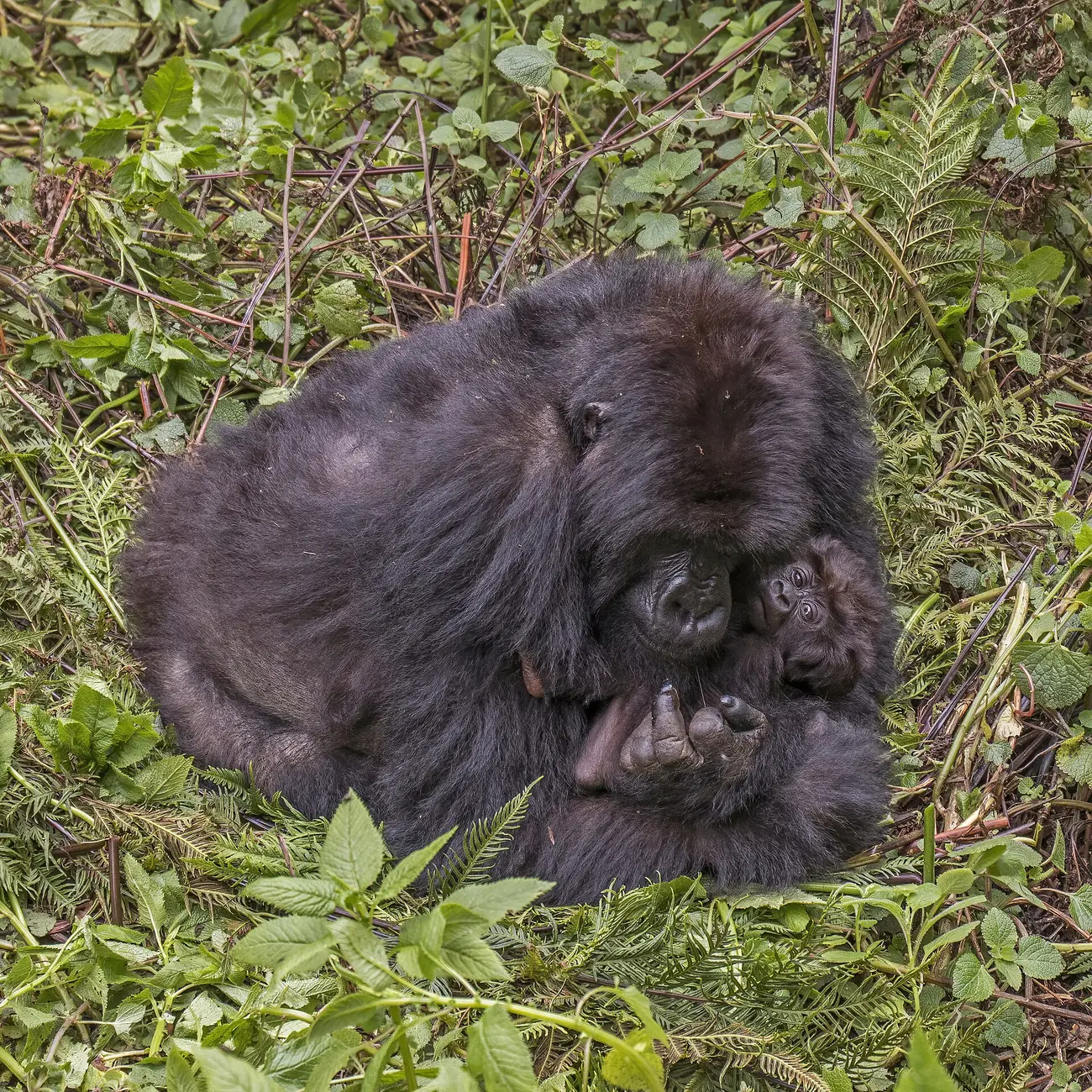
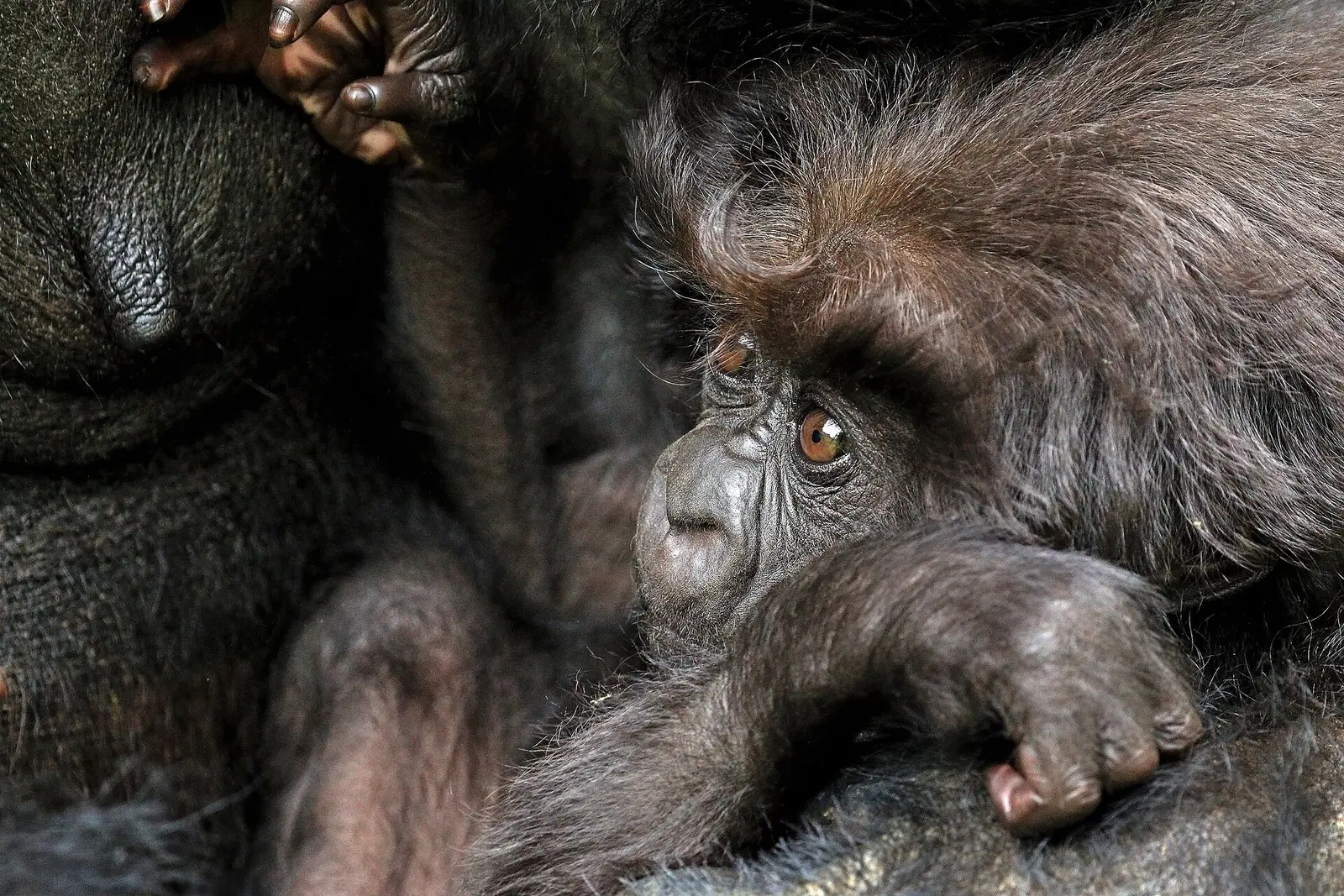
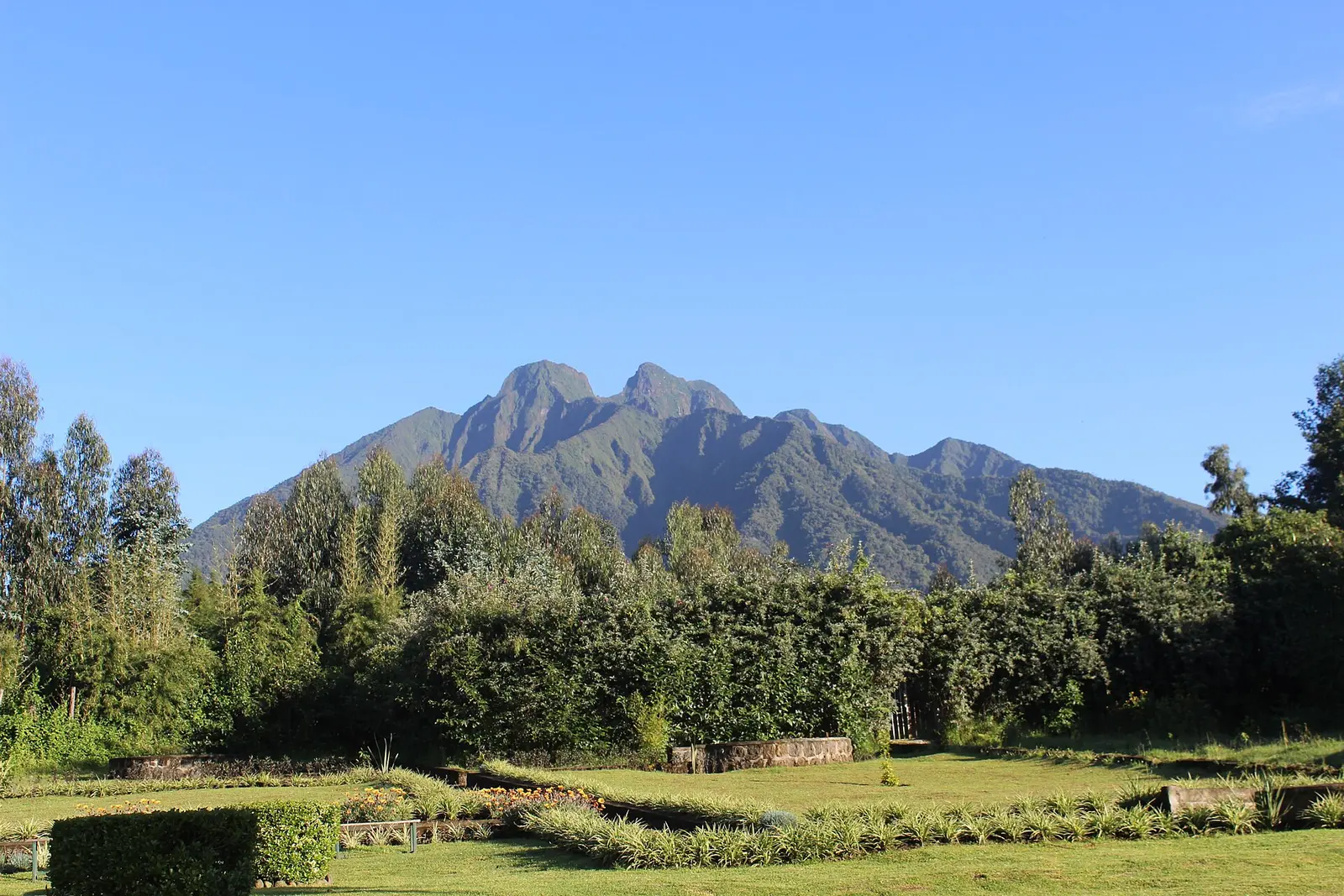
Mountain gorillas share most of our DNA and have little immunity to human illnesses. A cold that's an inconvenience for you can be serious for an infant gorilla, and respiratory disease is one of the main threats to habituated families. That's why one of the core gorilla trekking rules is: don't trek if you're sick.
What happens on the day
- Tell your guide as soon as you feel unwell. Honesty protects the gorillas.
- Rangers decide. They can refuse visitors who appear sick — especially with a cough, fever or visible cold.
- Mild symptoms? Rangers may let you trek with a mask and extra distance; this is their call, not ours.
What happens to your permit
Gorilla permits are generally non-refundable once issued. In some cases a date change can be requested through RDB, depending on the circumstances and availability — so let us know immediately and we'll try. This is exactly why we recommend travel insurance with cancellation cover that includes non-refundable permits.
How to avoid it
- Leave a buffer. Don't trek the day after a long-haul flight if you can avoid it.
- Wash hands often and carry sanitiser in the days before.
- Pack a few masks.
- Consider two trek dates on longer trips, so one illness doesn't cost you the gorillas entirely.
- Buy insurance that covers permit cancellation.
Our booking terms explain exactly how permit changes work with us.
Questions
Can I go gorilla trekking with a cold?
You shouldn't. Mountain gorillas can catch human respiratory infections, and rangers can refuse visitors who appear sick. Tell your guide if you feel unwell.
Do I get a refund if I'm too sick to trek?
Gorilla permits are generally non-refundable. A date change may sometimes be possible depending on RDB rules and availability, and travel insurance with cancellation cover may reimburse the permit.