Two of the most famous names in primate research — Jane Goodall and Dian Fossey — were set on their paths by the same man, and their lives intertwined. Here is the story of the women often called "Leakey's Angels", and what their work means for anyone going gorilla trekking in Rwanda today.
Louis Leakey's idea
The Kenyan-British anthropologist Louis Leakey believed that studying our closest living relatives in the wild, over many years, could reveal clues about early human behaviour. He also believed — controversially at the time — that patient observers without formal scientific training might do it better than established academics. He found three remarkable women to prove it.
| Jane Goodall | Dian Fossey | Biruté Galdikas | |
|---|---|---|---|
| Ape | Chimpanzees | Mountain gorillas | Orangutans |
| Where | Gombe, Tanzania | Virunga volcanoes, Rwanda | Borneo, Indonesia |
| Began | 1960 | 1966–67 | 1971 |
Together they became known as "Leakey's Angels", or the "Trimates".
How Fossey and Goodall met
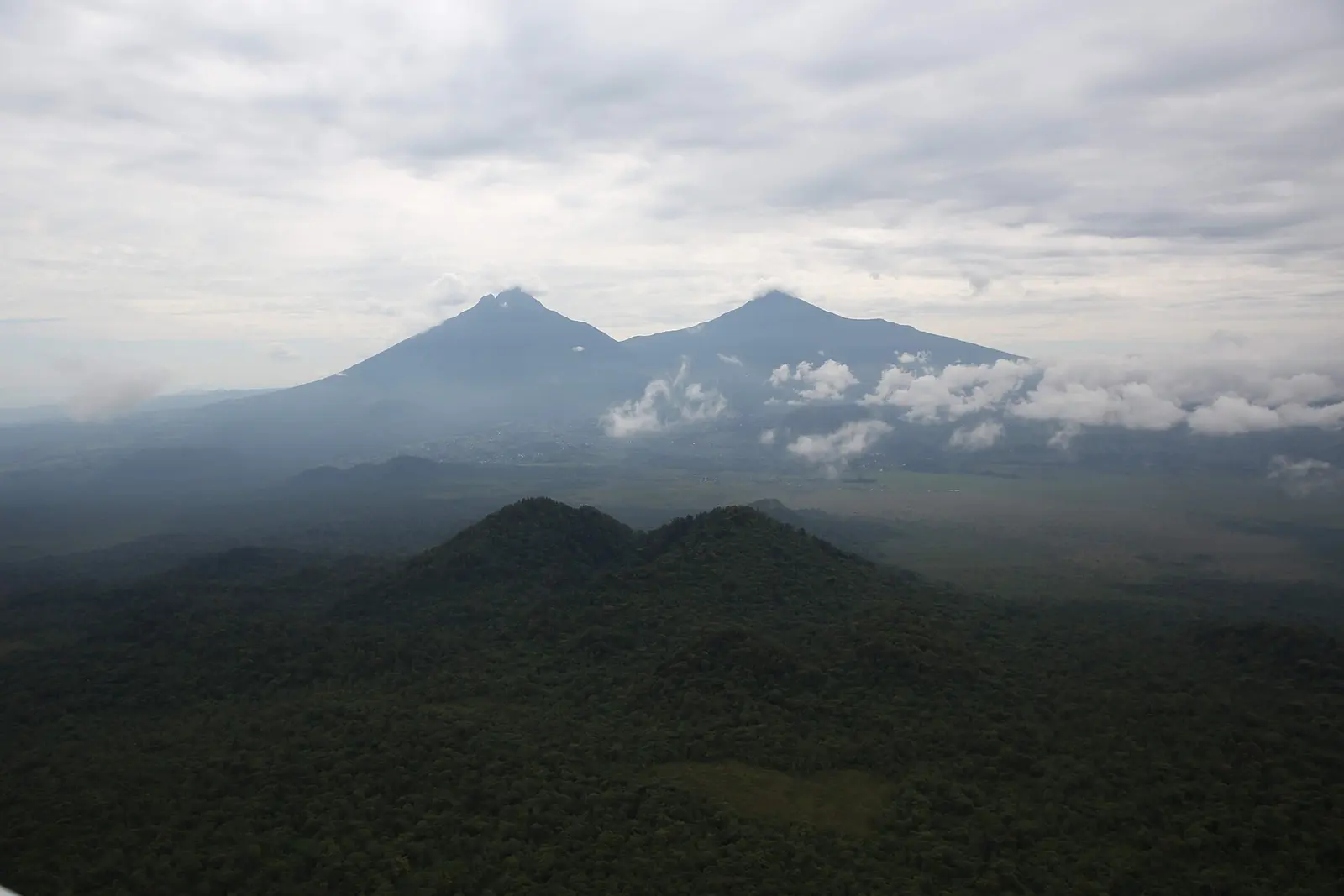
Before beginning her own study, Fossey travelled to Gombe in 1966 to spend time with Goodall and learn the practicalities of running a long-term field camp. Goodall had already made her name with the discovery that chimpanzees make and use tools — a finding that forced scientists to rethink what made humans unique. Fossey then headed to the Virungas, first on the Congolese side and, from 1967, at the Karisoke Research Center she founded in Rwanda. Read her full story in our guide to Dian Fossey.
Different apes, different battles
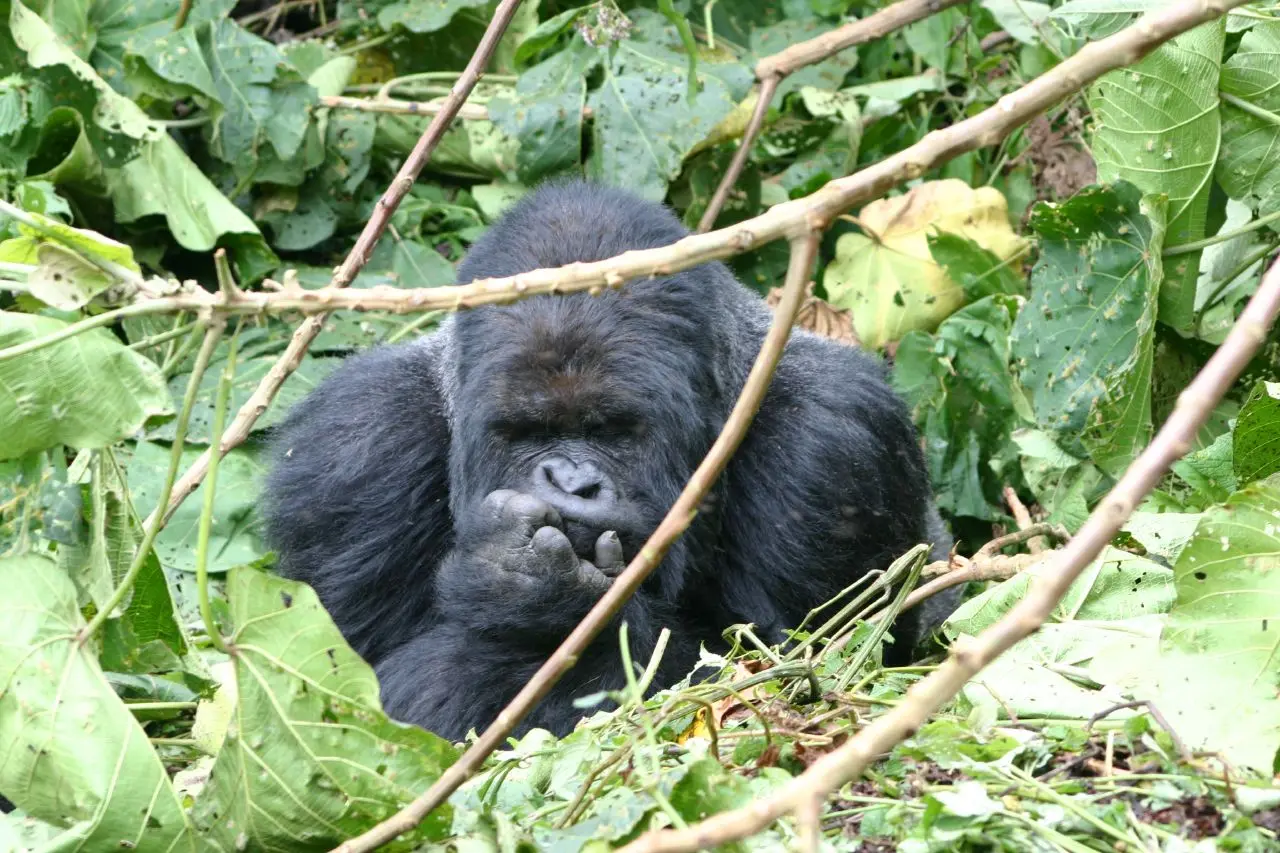
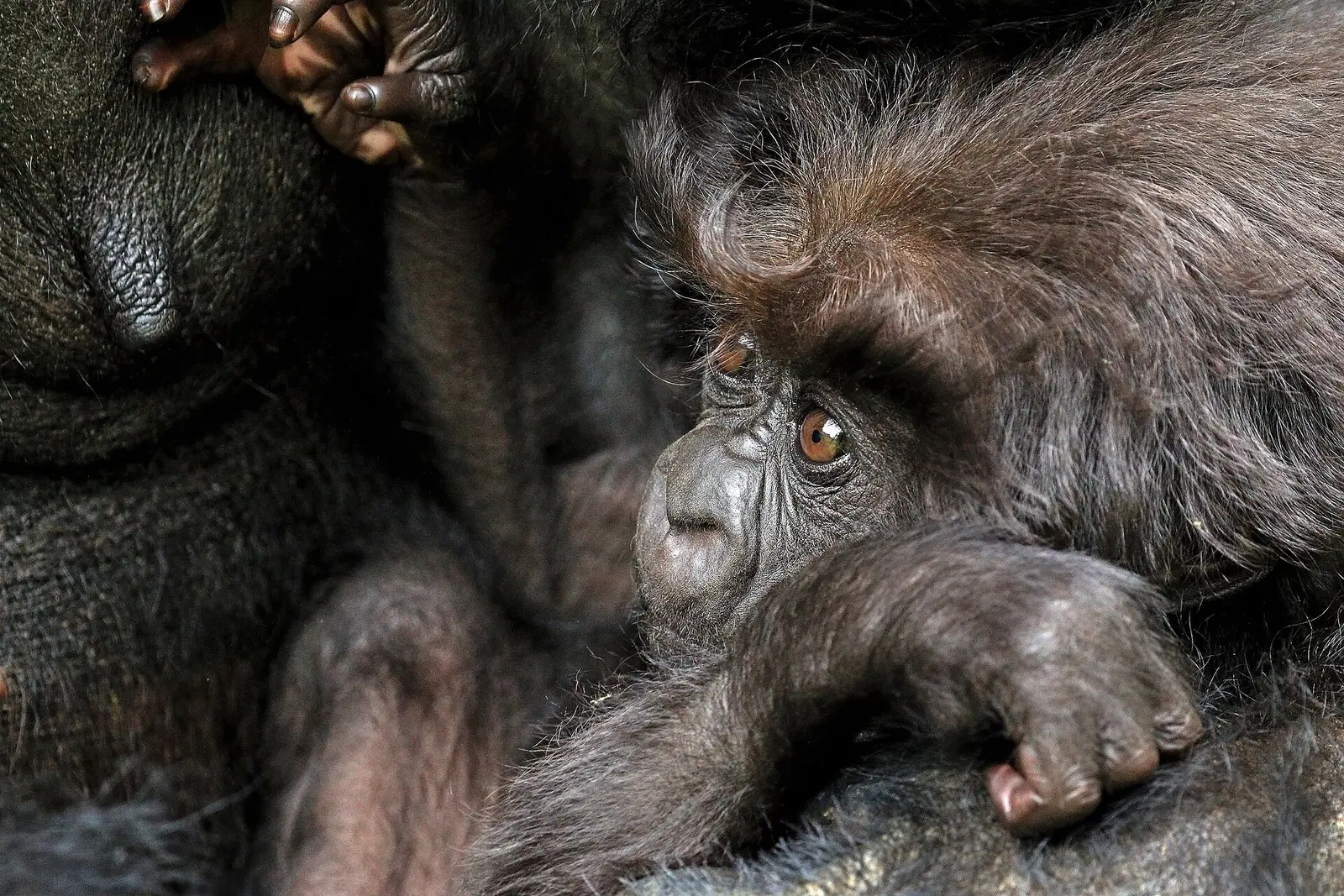
Goodall's chimpanzees lived in a protected reserve, and her work became famous for revealing their complex, sometimes violent social lives. Fossey's mountain gorillas faced an immediate threat of extinction from poaching and habitat loss, and her research increasingly turned into a fight to keep them alive. After the killing of her favourite gorilla, Digit, she took on poachers directly — an approach that won the gorillas protection, but also made enemies.
Goodall went on to become a global conservation ambassador. Fossey was murdered at Karisoke in 1985 and is buried there beside Digit — a grave you can visit on the Dian Fossey tomb hike.
Their legacy for travellers
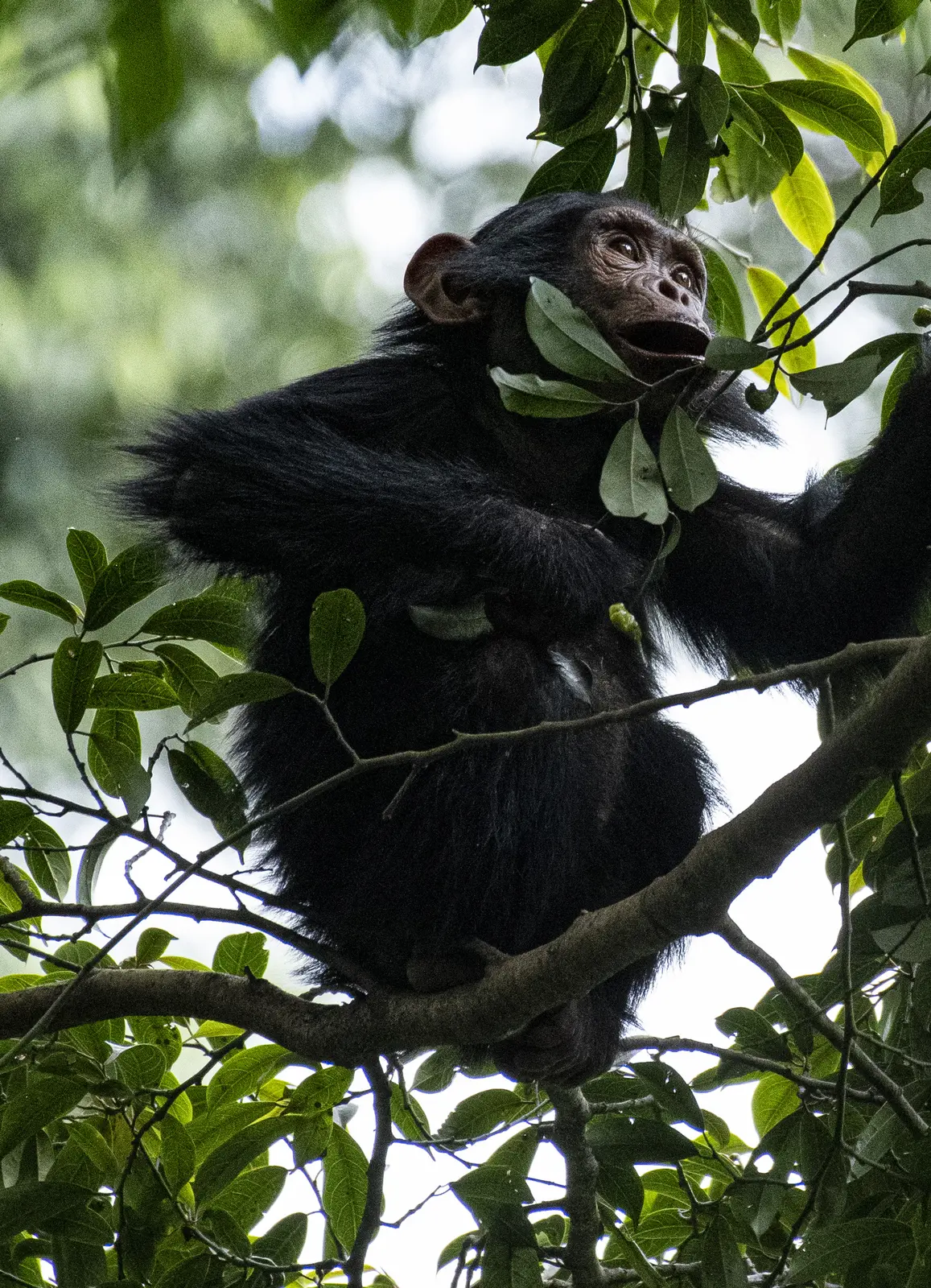
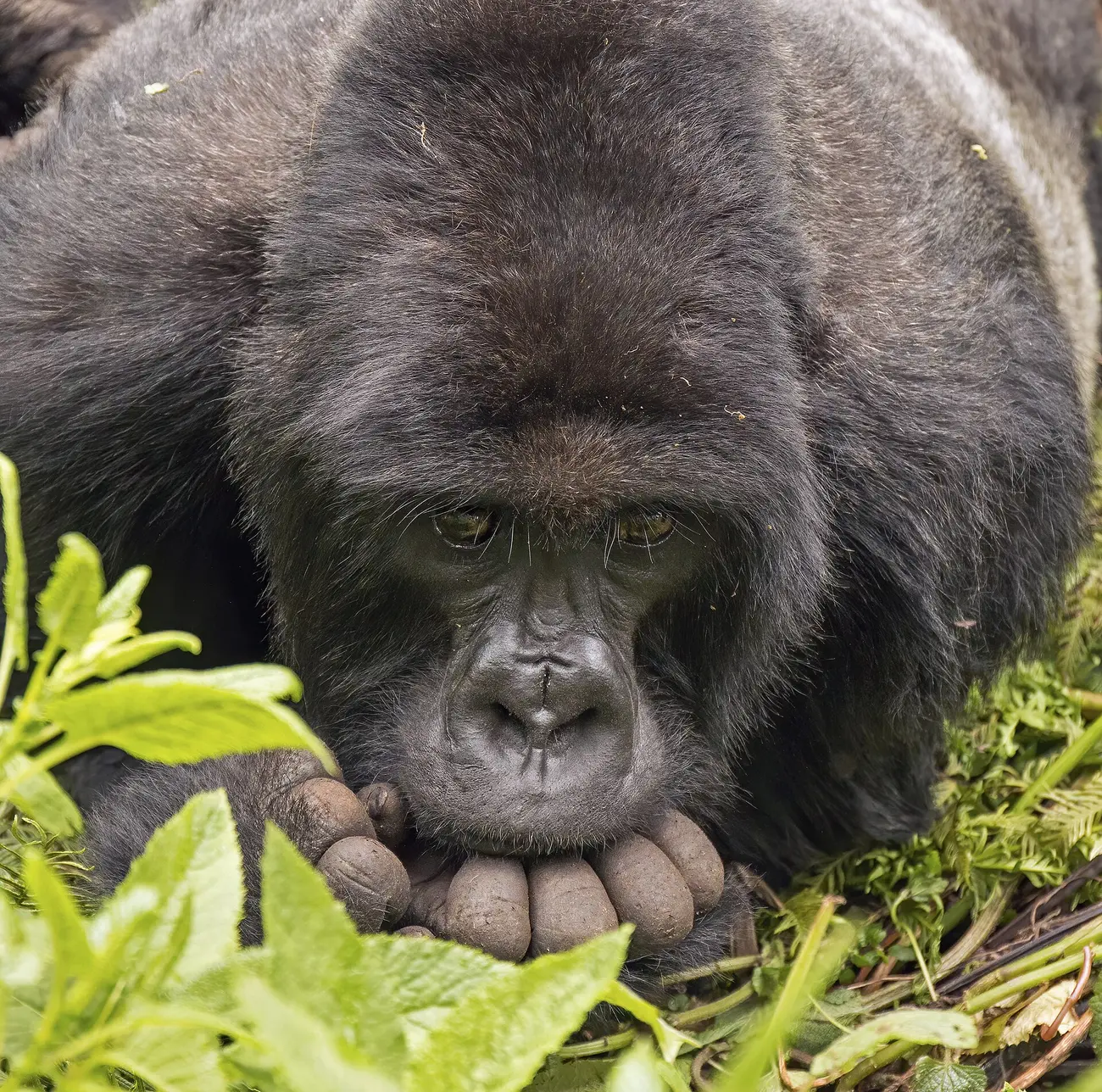
Both women's work underpins the primate experiences Rwanda offers today. You can trek mountain gorillas in Volcanoes National Park — the forests Fossey protected — and track chimpanzees in Nyungwe Forest, cousins of the apes Goodall studied. Seeing both on one trip is the best way to understand how different they are: read mountain gorilla vs chimpanzee.
Questions
Did Dian Fossey and Jane Goodall know each other?
Yes. Before starting her gorilla research, Dian Fossey visited Jane Goodall at Gombe in Tanzania to learn how she ran her chimpanzee study. Both had been encouraged by the anthropologist Louis Leakey.
Who were Leakey's Angels?
Jane Goodall (chimpanzees), Dian Fossey (mountain gorillas) and Biruté Galdikas (orangutans) — three women Louis Leakey supported to carry out long-term studies of the great apes. They are also called the "Trimates".
What is the difference between Jane Goodall's and Dian Fossey's work?
Goodall studied chimpanzees in Gombe, Tanzania, from 1960, famously documenting tool use. Fossey studied mountain gorillas in Rwanda from 1967 and became known for her anti-poaching campaign.