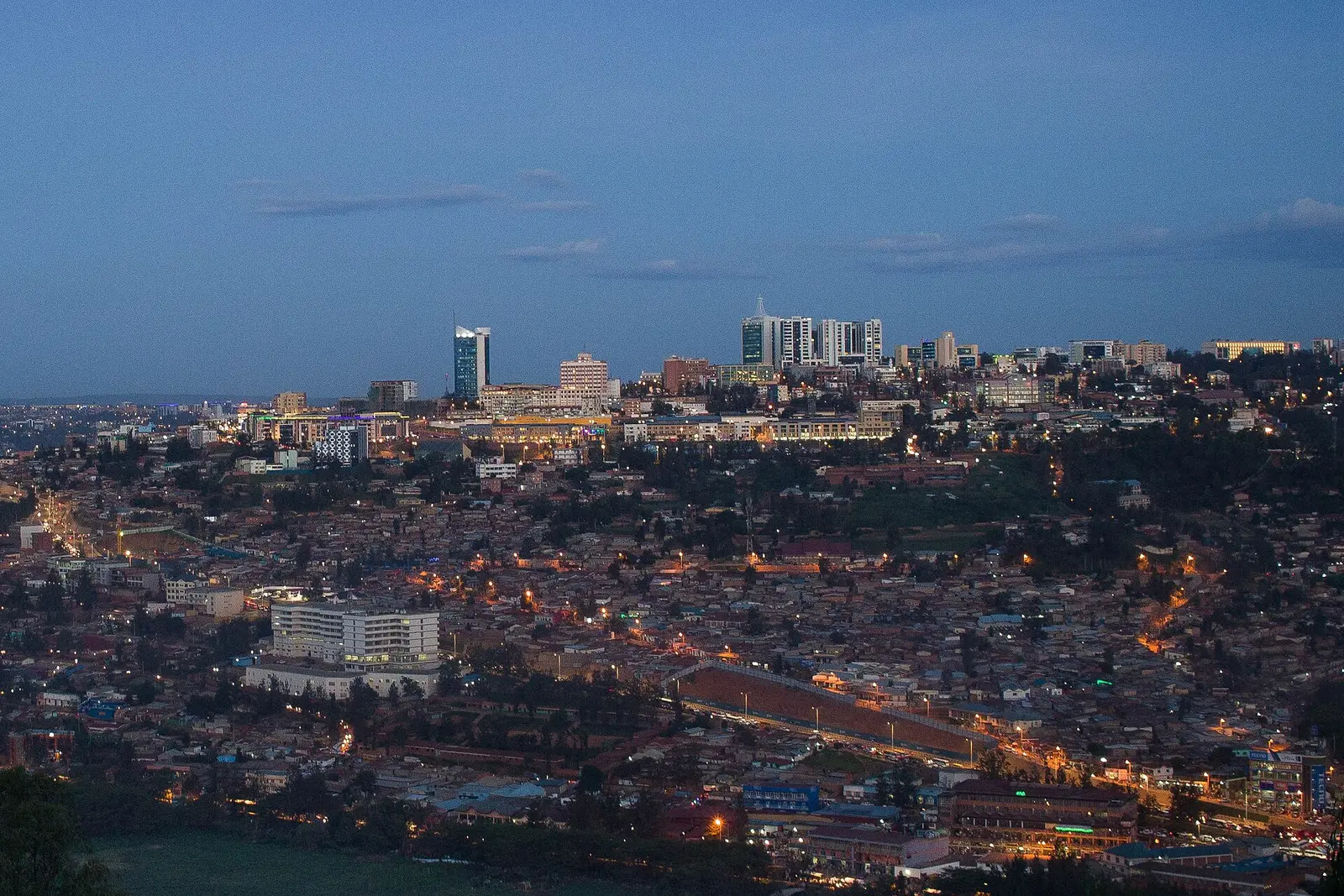
Most gorilla trips start and end in Kigali, and the city deserves more than a glimpse from the airport road. Here's how to spend a day there.
The essentials
Kigali Genocide Memorial
The most important visit in Rwanda. The memorial tells the story of the 1994 genocide against the Tutsi with clarity and dignity, and helps you understand the country you're travelling through. Allow at least two hours.
Kimironko Market
Kigali's liveliest market: fruit and vegetables, colourful kitenge fabric, tailors who can make clothes in a day, baskets and crafts.
Inema Arts Center
A vibrant contemporary art space showing Rwandan artists — a great place to buy original work.
Nyamirambo
One of Kigali's oldest and most colourful neighbourhoods, best explored on a guided walking tour with local food stops.
Good to know
- Umuganda: on the last Saturday morning of each month, community work pauses most activity until around 11:00.
- Safety: Kigali is calm and safe; normal precautions apply.
- Getting around: taxis, moto-taxis (with helmets) or your driver-guide.
How to fit Kigali into your gorilla trip
- Arrival day: land, rest, and visit the Memorial in the afternoon, then trek the next day on a gorilla day trip from Kigali.
- After the trek: our 2-day gorilla safari includes a guided Kigali city tour on day two.
- Longer trips: the 10-day complete Rwanda safari starts with a full Kigali day.
Questions
Is Kigali worth visiting before gorilla trekking?
Yes. A day in Kigali — especially the Kigali Genocide Memorial — gives essential context for modern Rwanda, and the city is clean, safe and easy to explore.
How long should I spend in Kigali?
One full day is enough for the main sights. Many travellers spend their arrival day in Kigali and trek the next morning.